





The Philosophy of 'Zoning'
The core idea is simple: not all items in your bag should live together. During the rainy season, you need to create intentional separation. One zone is for things that must stay completely dry, and the other is for items that are either wet or may get wet.
This prevents a single damp umbrella or a soaked pair of socks from turning your entire bag into a humid mess. Think of it as creating a fortress for your dry essentials. This approach forces you to be more organised and makes accessing weather-related gear quicker, so you're not digging through your bag in a downpour.
Establishing Your Dry Zone
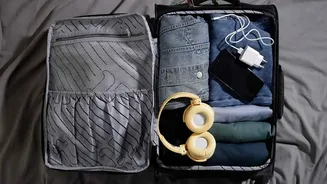
Your dry zone is the heart of your packing strategy. This is where your most vulnerable and valuable items belong. This includes electronics, important documents like your Aadhaar card, medications, and your precious sets of dry clothes. Use waterproof packing cubes, dry bags, or even high-quality zip-lock pouches to create this protected area. Distribute silica gel packets throughout your main bag and within these sealed compartments to absorb ambient humidity, which can be just as damaging as direct water. For electronics, double-bagging is a smart move: place your phone or power bank in its own waterproof pouch before putting it inside a larger dry bag.
Managing the Wet Zone
The wet zone is for everything that encounters the rain directly. This includes your compact umbrella, a used raincoat or poncho, and shoes that have braved puddles and mud. The key is isolation. Never zip up a damp bag; let things air out in an air-conditioned room overnight whenever possible. Pack a separate, dedicated waterproof bag—often called a 'wet/dry' pouch—specifically for these items. This prevents moisture and mud from contaminating your clean, dry clothes. Even a heavy-duty bin liner used to line a section of your backpack can serve as a cheap and effective barrier.
Choosing The Right Clothes
Fabric choice is critical during the monsoon. Leave the heavy cotton and denim behind; they absorb moisture, take forever to dry in high humidity, and can start to smell mildewy. Instead, build your travel wardrobe around quick-drying synthetic fabrics like polyester and nylon blends, or natural options like merino wool. These materials not only dry faster but also wick moisture away from your skin, keeping you more comfortable. Pack lightweight t-shirts, synthetic-blend trousers or capris, and a thin, waterproof jacket. And don't forget moisture-wicking underwear and socks; a spare dry pair can make a world of difference.
A Smart Shoe Strategy
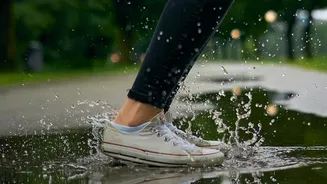
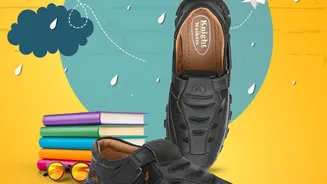
Footwear can make or break your monsoon experience. Leather and canvas shoes are a poor choice, as they get ruined by water and take ages to dry. Your best bet is to pack at least two pairs of shoes. One pair should be water-friendly, such as rubber sandals, floaters, or waterproof trekking sandals with a good grip for slippery surfaces. This is your go-to pair for walking around in the rain. The second pair should be a comfortable, completely dry pair of shoes (like sneakers) that you keep protected in your dry zone for evenings, indoor activities, or travel days. Always pack a separate bag to store muddy or wet footwear to keep the rest of your luggage clean.