







Art Attack as Alarm Bell
In late 2022, a series of disruptive, non-violent protests unfolded in museums across Europe. Activists from groups like Just Stop Oil and Last Generation threw tomato soup on Van Gogh's "Sunflowers" and mashed potatoes on a Monet, gluing their hands
to the wall and asking, "What is worth more, art or life?". The actions were designed for maximum media attention, aiming to short-circuit public apathy and force the climate crisis into the cultural conversation. While many museum directors expressed shock and the public reaction was largely negative, the choice of venue was deliberate. Museums are deeply trusted institutions, seen as guardians of our shared history. By using them as a stage, activists argue they are highlighting a profound cognitive dissonance: our society's ability to meticulously protect a painting behind glass while failing to protect the planet it depicts.
The Silent, Slow-Moving Threat
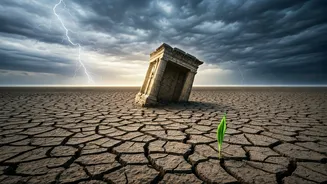
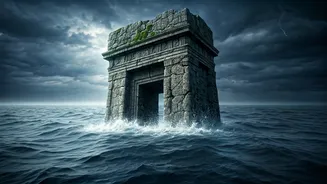
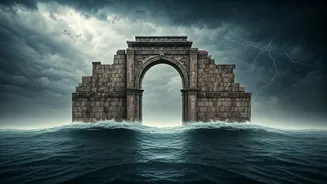
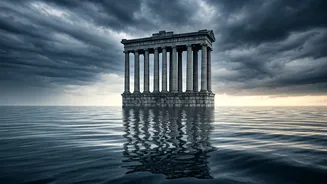
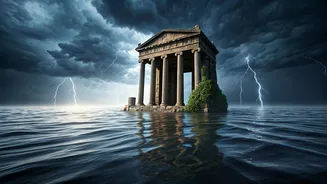
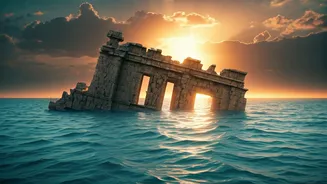
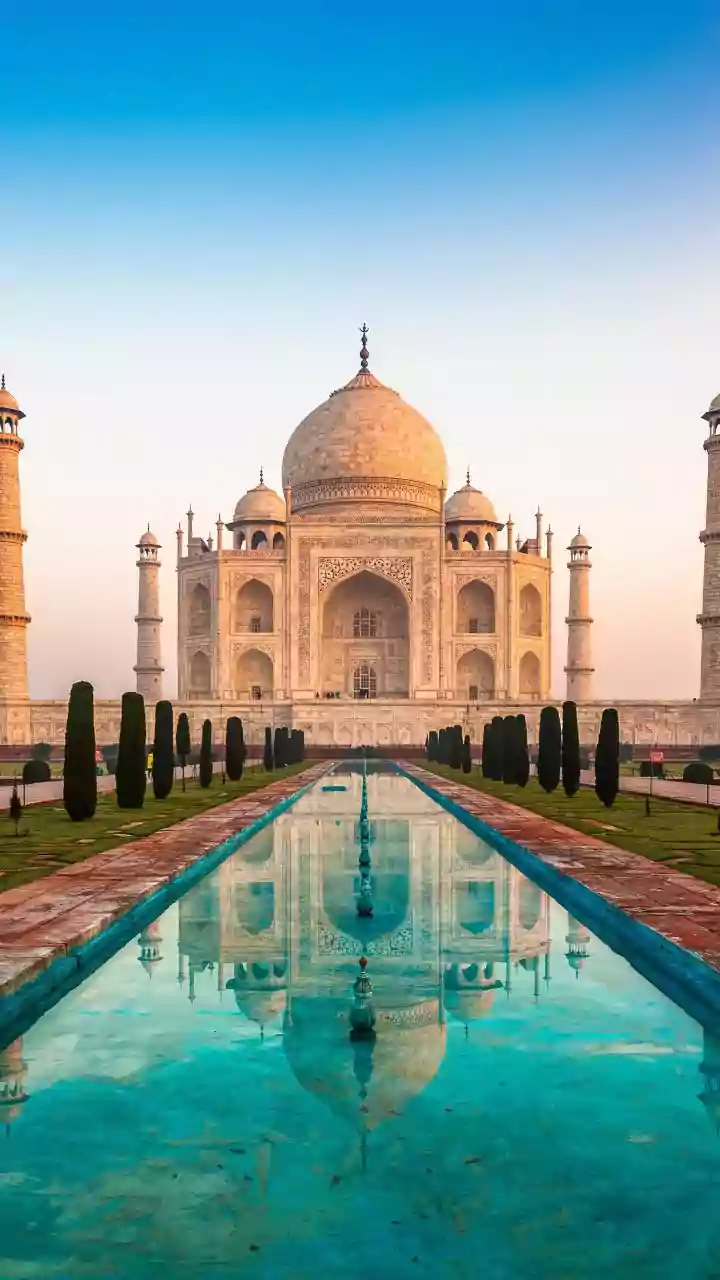
Beyond the dramatic protests, a quieter but far more destructive force is at work. Climate change itself is now the single biggest threat to many of the world's cultural treasures. A staggering 80% of UNESCO World Heritage sites are already under stress from climate-related factors. In India, the list of vulnerable sites is long and growing. Coastal monuments like the Shore Temple in Tamil Nadu and the Jagannath Temple in Odisha face the triple threat of rising sea levels, increased storm frequency, and coastal erosion. Inland, changes in rainfall and humidity threaten ancient murals and carvings at sites like the Ajanta Caves, while extreme weather has caused parts of historic forts in Rajasthan and Himachal Pradesh to collapse. Even the iconic Taj Mahal is not immune, facing damage to its marble from pollution and erratic weather patterns.
A New Layer to the Monument Debate
For years, the "monument chat" has centered on ideology—debating which historical figures and events deserve public veneration. Now, climate change adds a practical and existential layer to that debate. It's no longer just about who we memorialize, but what we can physically save. As UNESCO notes, climate change threatens to erase not just buildings, but the intangible heritage—the skills, traditions, and knowledge—of the communities connected to them. This forces difficult questions. Do we invest billions to protect a site from rising seas, or do we accept the loss and focus on mitigation? Does a monument's carbon footprint during its preservation need to be considered? These are no longer theoretical concerns. In places like Jamestown in the U.S., plans are already underway to build sea walls and raise land to save the historic site from being submerged.
How Institutions are Responding
Cultural institutions are beginning to pivot from being passive victims to active participants in the climate conversation. Many museums, initially critical of the protests, are now acknowledging their role. The International Council of Museums (ICOM) has called for museums to be seen as allies in facing climate change. This is happening in several ways. Firstly, museums are addressing their own significant carbon footprints, as many are energy-intensive buildings. Secondly, they are using their trusted platform for education, mounting exhibitions and programs that connect art, history, and science to explain the climate crisis in a human-centric way. In India, the Archaeological Survey of India (ASI) is installing weather monitoring stations at monuments and using scientific treatments to mitigate damage, working alongside agencies like ISRO and the NDMA to develop broader strategies.