
What Exactly Is 'Ultra-Processed'?
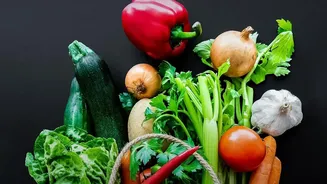
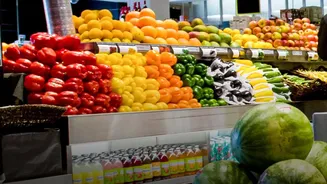
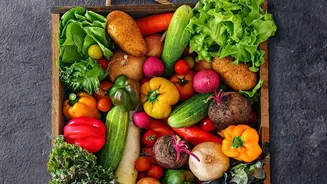
The term comes from the NOVA classification system, which groups foods by their level of industrial processing. Unprocessed foods are things like fresh fruit, vegetables, and rice. Processed foods have been altered slightly, like cheese or canned vegetables.
Ultra-processed foods, however, are industrial formulations made from substances extracted from foods or synthesized in labs. They typically have long ingredient lists with items you wouldn't find in a home kitchen, such as high-fructose corn syrup, hydrogenated oils, flavour enhancers, and artificial colours. Think packaged snacks, sugary drinks, instant soups, and most mass-produced baked goods. Even some breads can be ultra-processed if their ingredient list includes emulsifiers.
The Findings From Recent Research
Recent studies have drawn strong links between high consumption of UPFs and serious health risks. Research has associated UPFs with a higher likelihood of non-communicable diseases (NCDs) like heart disease, type 2 diabetes, and certain cancers. One major review found direct links between UPFs and 32 negative health outcomes. A study focusing on India revealed significant positive associations between the share of UPFs in a person's diet and their risk for diabetes, hypertension, and obesity. The concern is not just about high sugar and salt; it's about the entire industrial formulation, which is designed to be hyper-palatable, encouraging overconsumption. A controlled trial even showed that people on a UPF diet consumed more calories and gained more weight than those on a minimally processed diet, even when the meals were matched for nutrients.
Why This Is a Major Concern for India
India is facing a dual challenge: rising incomes and urbanization are changing lifestyles and diets, while the burden of NCDs is growing rapidly. The market for UPFs in India grew at a compound annual rate of over 13% between 2011 and 2021. This shift is driven by convenience, aggressive marketing, and the perception of packaged foods as a status symbol. As traditional homemade meals like dalia or shikanji are replaced by breakfast cereals and sodas, health experts warn that India could face an NCD and obesity scenario similar to that in Western countries if the trend isn't managed. The country is already dealing with a "double burden of malnutrition," where undernutrition exists alongside rising obesity and diet-related diseases.
Spotting the Hidden UPFs on Shelves
It’s easy to label chips and colas as unhealthy, but UPFs often hide in plain sight, sometimes even marketed as healthy options. Flavoured yogurts, protein bars, plant-based milks, and many breakfast cereals can be ultra-processed. The key is to ignore the health claims on the front of the package and read the ingredient list on the back. A long list of ingredients is a red flag. If you see words you don't recognize or couldn't find in a kitchen—like maltodextrin, protein isolates, emulsifiers, or various gums—the product is likely ultra-processed. Even 'natural flavouring' can be a sign that the original taste was lost during intense processing and had to be added back in a lab.
Making Smarter, Healthier Choices
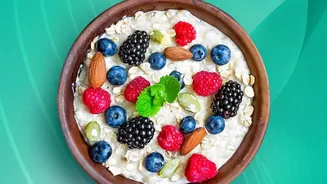
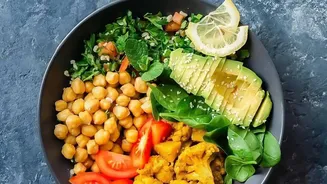
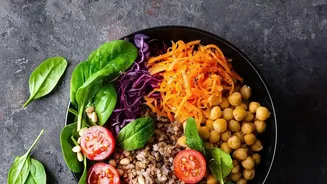
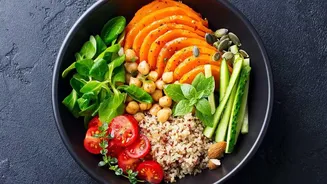
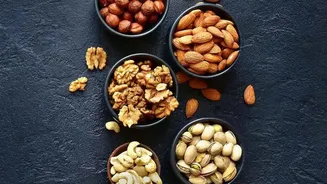
The goal isn't to eliminate every packaged food but to become more mindful. The first step is awareness. Start by applying the "kitchen cupboard test": would you use these ingredients in your own cooking? Prioritize whole and minimally processed foods like fresh produce, legumes, and whole grains. When you do buy packaged goods, compare labels and opt for products with shorter, more recognizable ingredient lists. Simple swaps can make a big difference, such as choosing plain yogurt and adding your own fruit instead of buying pre-sweetened versions, or snacking on nuts and seeds instead of packaged biscuits. Making small, informed decisions empowers you to navigate the modern food landscape without sacrificing your long-term health.