







The Activity-First Approach
Seasoned travellers often plan their trips during the shoulder season, which generally falls in the spring (March-April) and autumn (September-November). But the smartest planning goes one step further: it starts not with a destination, but with an activity.
Instead of asking “Where should I go in October?”, ask “Where is the best place for trekking in October?” This simple shift transforms your planning process. It ensures the weather, terrain, and local conditions are perfectly aligned with your passion, whether it's hiking, cycling, kayaking, or wildlife spotting. By prioritising your desired adventure, you can reverse-engineer your ideal destination, leading to a far more rewarding experience than simply showing up somewhere and hoping for the best.
Autumn Adventures: Hiking and Festivals
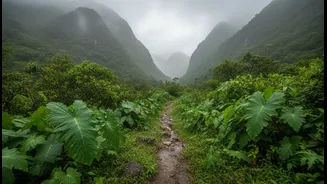
The autumn shoulder season, from September to November, is a magical time for outdoor enthusiasts in India. The post-monsoon air is crisp, skies are clear, and landscapes are lush and green. This period is arguably the best for trekking in the Himalayas. Destinations like the Annapurna Sanctuary in Nepal or, closer to home, the Dzongri Trek in Sikkim, offer breathtaking views of snow-capped peaks without the summer crowds or monsoon risks. In states like Uttarakhand, gentle treks to alpine meadows like Ali Bedni Bugyal become accessible, showcasing golden pastures. It’s also a fantastic time for cultural exploration. In Rajasthan, the receding heat makes exploring cities like Udaipur more pleasant, while the season's festivals add a vibrant layer to your trip. By focusing on hiking, you might discover a trail in Crete, where the sea is still warm and the mountain paths are empty.
Spring Escapes: Blooms and Wildlife
Spring, from roughly March to early May, is India’s season of renewal and another prime shoulder period. This is when you trade autumn’s golden hues for vibrant blooms. In the hills of Munnar, Kerala, the tea gardens look freshly washed and the weather is perfect for plantation walks. Coorg in Karnataka is another fantastic option, as coffee blossoms perfume the air and the climate is ideal for exploring its lush estates. For those interested in wildlife, national parks like Kanha in Madhya Pradesh are excellent choices. As water sources begin to dry up before the summer peak, animals congregate more frequently, increasing your chances of sightings. For a truly unique floral experience, the Tulip Garden in Srinagar, Kashmir, typically opens from late March, offering a stunning visual spectacle against a backdrop of snow-dusted mountains.
How to Match Your Activity to a Destination
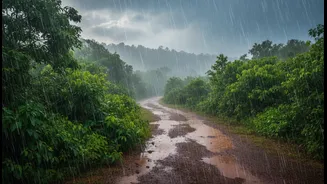
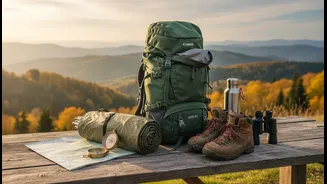
Once you've chosen your activity, the real planning begins. Start by researching destinations known for that specific adventure during your target shoulder month. Use online resources, travel guides, and even forums to check on conditions. For hiking, apps and websites can provide recent trail reports and difficulty levels. For water sports, check the operational seasons for rental shops and tour companies, as some may have limited hours outside of peak season. Always verify the opening hours of national parks and specific attractions. A key advantage of the shoulder season is milder weather, but it can also be unpredictable. Pack in layers and always include a rain jacket, especially for mountain or coastal destinations. This proactive, activity-led approach ensures that when you arrive, the destination is perfectly primed for what you came to do.
The Practical Perks of Shoulder Season
Beyond ideal conditions for your chosen activity, travelling during the shoulder season comes with significant practical benefits. Flights and accommodations are often considerably cheaper than during peak periods, allowing your budget to stretch further. With fewer tourists, you'll experience shorter lines at attractions, more availability at popular restaurants, and a generally more relaxed atmosphere. This is particularly noticeable at iconic sites, where you can appreciate the experience without feeling rushed. This reduced strain on local infrastructure also leads to more authentic interactions and a gentler pace of travel, allowing you to immerse yourself more deeply in the local culture. It’s a strategic way to travel that rewards thoughtful planning with a more comfortable and memorable trip.