




The New Travel Playbook: Festival First
A quiet but significant shift is underway in how young Indians explore their own country. For many Gen Z and Millennial travellers, the question is no longer just “where should we go?” but “what’s happening there?”. This generation is increasingly planning
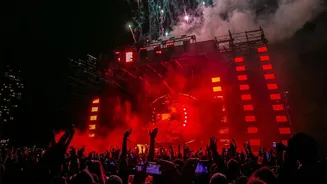
entire trips around specific events, from large-scale music concerts to niche cultural festivals. According to a recent report, a staggering 89% of Gen Z travellers in India plan to increase their travel budgets. They are prioritising meaningful experiences, and festivals provide a perfect anchor. This move marks a departure from traditional, pre-planned tourism towards a more dynamic and experience-driven model where the event is the destination. This trend is reflected in changing search behaviours, with travel now seen less as a rare annual escape and more as a regular part of life.
Beyond the Main Stage: A Deeper Exploration
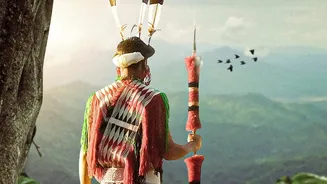
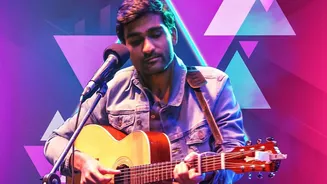
This trend is about more than just attending a four-day music festival. The real change lies in the “and then what?” part of the itinerary. Young travellers are using festivals as a launchpad to explore the surrounding region. An attendee at the Ziro Festival of Music in Arunachal Pradesh might extend their stay to trek through the valley’s pristine landscapes. Similarly, a trip for the Hornbill Festival in Nagaland often turns into a wider exploration of the state’s unique culture and villages. This approach combines the high energy of a curated event with the authentic discovery of local life. As one industry expert noted, travellers are often extending their stays by a day or two, adding sightseeing and local experiences to their event-led trip. This blending of event-based travel with organic exploration creates a richer, more immersive holiday.
The Driving Force: Authenticity and Community
So, what’s behind this shift? Several factors are at play. A primary driver is the search for authenticity. For many young people, travel is an act of self-expression, and they are seeking experiences that feel personal and genuine rather than mass-produced. There's also a growing desire for community. After years of digital interaction, festivals offer a powerful, real-world connection with like-minded people. Moreover, many cultural festivals like Hornbill offer a direct line to the traditions, art, and heritage of a place, something a standard holiday might only touch upon superficially. This desire for deeper connection and cultural immersion is a key reason why many young travellers are willing to spend more on experiences that feel meaningful.
The Economic Ripple Effect on Local India
The impact of this trend extends far beyond the festival grounds, creating a powerful economic ripple effect. India’s live-event industry was valued at ₹13,000 crore in 2026, with every rupee spent generating further economic activity. When a festival comes to town, it’s not just the organisers who benefit. Local homestays, which have grown from almost none to over 70 in the Ziro valley, thrive on the influx of visitors. Local artisans, cafes, taxi services, and guides see a surge in business. For instance, the Hornbill Festival alone generates at least ₹200 crores in revenue in just 10 days, according to Nagaland's Tourism Minister. This model of tourism channels money directly into the local economy, supporting small businesses and creating seasonal employment, which can help curb rural-to-urban migration by providing local opportunities.
Putting New Destinations on the Map
A significant outcome of festival-led travel is the rise of new, previously overlooked destinations. Festivals like Ziro in Arunachal Pradesh or the Hornbill Festival in Nagaland have put these regions firmly on the national and international tourist map. This has a dual benefit: it helps disperse tourists away from already overcrowded hotspots and encourages development in more remote areas. The governor of Arunachal Pradesh recently highlighted how the Ziro Festival is being used as a catalyst for youth empowerment and rural economic development in the state. By drawing travellers to new corners of the country, these events are not just creating temporary economic boosts but are also building a foundation for sustainable, year-round tourism that benefits the local communities directly.