





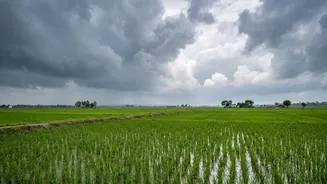
Why September's Rain Is So Crucial
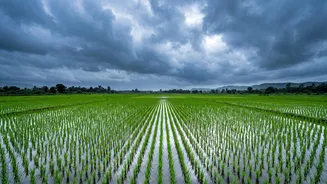
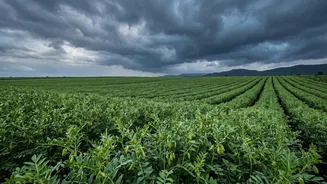
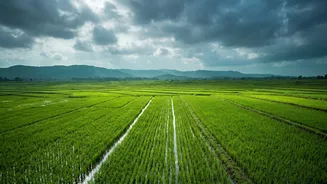
The four-month monsoon season, which runs from June to September, is the lifeblood of India's agricultural economy. While June and July are vital for sowing, September's rainfall is critical for the final growth stage of standing Kharif (monsoon) crops.
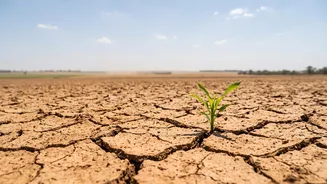
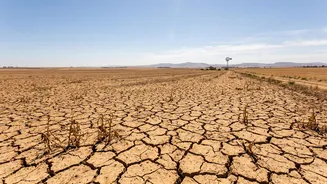
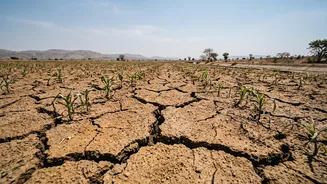
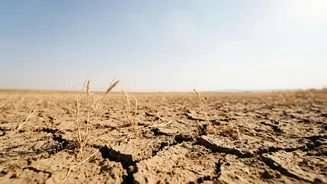
This is the period when grains fill out and soil moisture is essential for ensuring a healthy yield. The India Meteorological Department (IMD) has forecast that rainfall in September 2026 is likely to be below normal, at less than 91% of the long-period average. This follows a volatile season that saw a deficient June and a weak August, creating an overall rainfall deficit that now threatens crop output. A dry September not only hurts the current harvest but also impacts the next planting cycle by leaving insufficient moisture in the soil for Rabi (winter) crops like wheat and rapeseed.
The Kharif Crops on the Watchlist
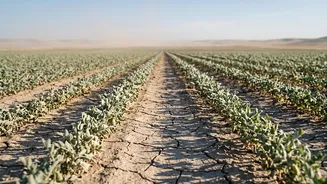
A rainfall deficit in September poses a direct threat to several key staples. Experts are particularly concerned about rain-fed crops that are in the crucial grain-filling stage. Paddy (rice), pulses, oilseeds, and coarse grains are most vulnerable to a lack of moisture during this time. Inadequate rain can stunt growth, leading to lower yields and reduced quality. Even before the September forecast, acreage for several key crops, including rice, oilseeds, and sugarcane, was already trailing last year's levels. A poor finish to the monsoon could exacerbate these shortfalls, leading to tighter supplies in the market. Cotton and maize are other crops that face significant risks from a prolonged dry spell in September.
From Farm Yields to Food Inflation
The chain reaction is simple: lower crop yields mean reduced supply, and when supply doesn't meet demand, prices rise. This is the primary concern for household budgets across India. Food inflation, which already accounts for nearly half of the consumer price index basket, is highly sensitive to monsoon performance. In July 2026, food inflation stood at 5.52%, with prices for items like ginger, garlic, and onions already showing sharp increases. A poor Kharif harvest would put further upward pressure on these numbers. Economists and government reports have flagged the risk that rising food prices could absorb a larger share of household income, squeezing spending on other goods and services. The Reserve Bank of India is also watching closely, as a spike in food inflation complicates its efforts to manage overall economic stability.
The Pulse and Vegetable Puzzle
Pulses, a critical source of protein for millions, are particularly at risk. While sowing for some pulses like tur (pigeon pea) was slightly up this year, the crop's health is heavily dependent on late-season rains. A weak monsoon could lead to lower domestic production, forcing India to rely more on imports to stabilise prices. Vegetables also face a double threat. Poor rains can directly reduce output, while excessive rainfall in localised pockets, as seen in parts of North India this season, can damage standing crops and disrupt supply chains, leading to price volatility. This makes vegetable prices one of the most immediate and visible indicators of the monsoon's impact on your grocery bill.
Mitigating Factors and What to Watch
While the outlook is concerning, it's not a foregone conclusion that all food prices will skyrocket. The government maintains buffer stocks of key grains like rice and wheat, which can be released to cool down prices if necessary. Reservoir levels, though impacted by the weak monsoon, are another factor to watch, as they determine water availability for irrigation. However, a widespread rainfall deficit puts a strain on all these buffers. The development of a strong El Niño in the Pacific Ocean is a key reason for the IMD's below-normal forecast, as this weather pattern is historically linked to weaker monsoons in India. Consumers should keep an eye on the prices of daily essentials like edible oils, pulses, and key vegetables in the coming weeks, as these will be the first to reflect the true impact of September's weather.