




The New Urban Reality
Rapid urbanisation is a defining feature of modern India, with millions moving to cities like Mumbai, Bengaluru, and Delhi-NCR for opportunities. This migration has led to a boom in real estate, but with a catch: while aspirations are large, apartment
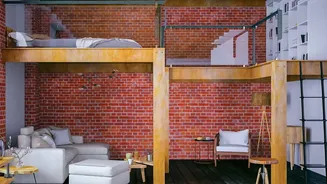
sizes are often not. To keep properties affordable, developers are building compact homes. In a city like Mumbai, for instance, even as average home sizes in other top cities see some growth, space remains at an absolute premium. This squeeze on square footage means that traditional, bulky furniture can quickly make a home feel cluttered and impractical. A single oversized sofa or a heavy, immovable bed can dominate a room, leaving little space for anything else. It's a daily compromise that city dwellers know all too well.
More Than a Home: A Multipurpose Hub
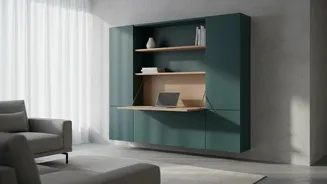
The function of our homes has fundamentally changed. The rise of hybrid work culture means a corner of the bedroom or living room must now serve as a productive office. A living room is rarely just for watching television; it's a social space for hosting friends, a play area for children, and often, a makeshift guest room for visiting family—a cornerstone of Indian culture. This demand for versatility has made single-purpose furniture feel outdated. A home must now be a fluid space that adapts throughout the day. This shift requires furniture that can transform with our needs: a desk that appears when it's time to work and vanishes when it's time to relax, a coffee table that rises to become a dining surface, and a sofa that comfortably sleeps an overnight guest.
What is Flexible Furniture, Exactly?
Flexible furniture falls into two main categories: multifunctional and modular. Multifunctional pieces are designed to serve two or more purposes. Think of the classic sofa-cum-bed, a dining table with built-in storage, or an ottoman that opens up to hide away blankets and magazines. Modular furniture, on the other hand, consists of separate components that can be rearranged or added to over time. A modular sofa can be configured into an L-shape, a U-shape, or even split into separate seats for a party. Both approaches share a common goal: to maximise utility within a minimal footprint, allowing homeowners to customise their space efficiently.
The Smart Solution for Modern Needs
Embracing flexible furniture is not just about coping with less space; it's about living smarter. Financially, it's cost-effective, as one piece can do the job of two or three, reducing the need for multiple purchases. For renters and young professionals who move frequently, modular and foldable pieces are far easier to transport and adapt to new layouts than traditional heavy furniture. There's also a growing appreciation for the minimalist aesthetic that this furniture supports. By reducing clutter and promoting clean lines, it helps create a sense of calm and order, which is invaluable in a bustling city. Furthermore, as sustainability becomes a greater concern, buying fewer, more versatile items is an environmentally conscious choice.
The New Essentials For Your Home
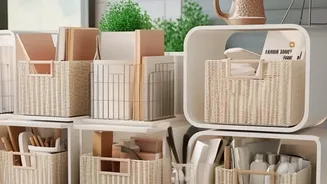
Certain pieces have become heroes of the modern apartment. The sofa-cum-bed is a non-negotiable for anyone who hosts guests. Wall-mounted desks and foldable tables that disappear when the workday is over are essential for work-life balance in a small home. Beds with hydraulic lifts or built-in drawers provide enormous amounts of hidden storage, freeing up closet space. For living rooms, nesting tables offer multiple surfaces without taking up permanent floor space, while modular shelving can be configured to fit any wall. These are not just clever gadgets; they are fundamental tools for a functional and comfortable urban life.