





The Original 'Manchester of South India'
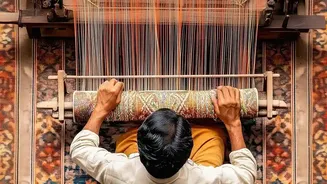
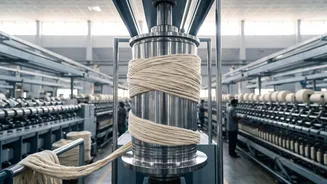
For over a century, Coimbatore's identity has been woven from cotton. Its journey began in the late 19th century, with the first textile mill, Coimbatore Spinning and Weaving Mills (popularly known as Stanes Mill), established in 1888. The region's fertile
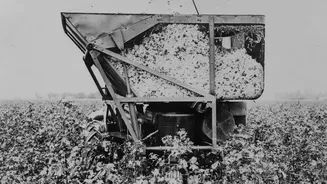
black soil was ideal for cotton cultivation, and the climate was perfect for spinning yarn. This agricultural advantage, combined with an entrepreneurial spirit, laid the groundwork for a booming textile sector. The real catalyst, however, was the arrival of reliable hydroelectric power from the Pykara project in the 1930s. This energy surplus fueled rapid industrialisation, allowing mills to multiply and machinery to run around the clock, cementing the city's status as a textile powerhouse.
From Fabric to Foundries
The thriving textile industry created a crucial secondary need: machinery and maintenance. Small workshops and foundries emerged in the 1930s to service and repair the imported textile machines and local agricultural equipment. This was the pivot. The expertise gained in metal casting and engineering for the textile sector laid the foundation for a new industrial chapter. Local entrepreneurs, having built capital from textiles, began reinvesting their profits into diversifying into engineering goods. The skills used to forge parts for looms were transferable to creating components for other machines, sparking a slow but steady shift in the city's industrial focus.
The Rise of the 'Pump City'
The transition from textiles to engineering found its most successful expression in pump manufacturing. The first electric motor in India was produced in Coimbatore in the 1930s, pioneered by visionary G.D. Naidu. Pump manufacturing soon followed, driven by the agricultural needs of the water-intensive cotton belt. Today, Coimbatore is a dominant force, supplying over 40% of India's total requirement for pumps and motors. The city is home to approximately 600 pump manufacturing units and 400 ancillary businesses that support them, from foundries making casings to machine shops producing precision parts like impellers and shafts. This dense, self-reinforcing ecosystem gives the city a major competitive advantage, with brands like CRI Pumps, Texmo Industries, and Suguna Pumps having a major presence.
An Interwoven Legacy
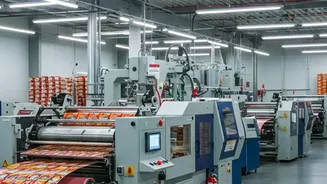
Coimbatore’s story is not one of replacement, but of evolution. The textile industry did not die for the pump industry to live; rather, it gave birth to it. The initial demand for foundries came from textile mills. The profits from cotton funded early engineering ventures. The culture of technical problem-solving and manufacturing excellence was honed over decades in the spinning and weaving sheds before being applied to motors and pumps. Both industries continue to coexist and thrive, with Coimbatore housing major textile research institutions like the South Indian Textiles Research Association (SITRA) alongside its engineering giants. This unique industrial DNA has also allowed other sectors to flourish, including auto components and the city's famous wet grinders, which earned a Geographical Indication tag.