


The Problem with the Packed Itinerary
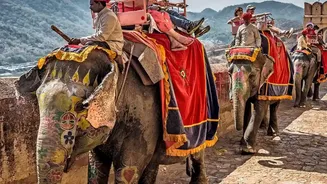
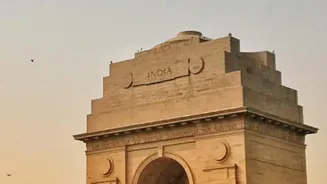
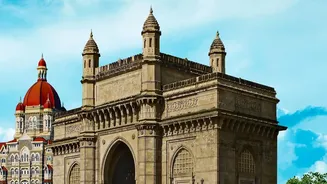
The pressure to 'maximise our time' on a short break is immense. We create detailed, hour-by-hour schedules, hopping between sights, cities, and activities in a frantic race against the clock. This approach, often called mass tourism, focuses on quantity
over quality, turning a holiday into a checklist of photo opportunities. The result is often the opposite of relaxation; it's a state of travel burnout, where you’re left more depleted than when you started. The constant motion, multiple transfers, and pressure to see everything keeps our stress response activated, preventing the very rest we seek.
What Is Slow Travel, Really?
Slow travel is a mindset, not a speed. Emerging from the 'slow food' movement in Italy, it is a conscious decision to connect more deeply with a place. Instead of rushing through a highlight reel, you linger. The philosophy encourages travellers to reduce their pace, stay in fewer locations for longer, and immerse themselves in the local culture, environment, and community. It is about valuing the quality of an experience over the quantity of places visited, allowing a destination to reveal itself at its own pace. This approach swaps urgency for intention, finding joy in the journey itself rather than just the destination.
Fewer Transfers, More Tranquillity
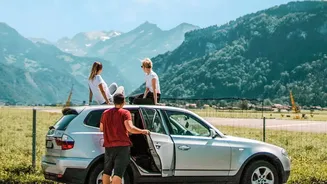
One of the simplest ways to apply slow travel to a weekend is to minimise transfers. Every time you pack up, check out, travel to a new hotel, and unpack, you lose precious time and mental energy. Choosing to stay in one place for the entire weekend eliminates this logistical stress. Imagine renting a single cottage, homestay, or apartment and exploring your immediate surroundings on foot or by a single mode of transport. This frees up hours otherwise spent in transit, allowing for more spontaneous and relaxing moments. You can settle in, develop a small routine, and begin to feel like a temporary local rather than a tourist just passing through.
Curate Your Plans, Don’t Cram Them
A slow weekend isn’t an empty one; it’s an intentionally curated one. Instead of a long list of 'must-dos', choose one or two main activities that truly interest you and build your trip around them. Leave large blocks of time unscheduled. This breathing room is where the magic happens—a spontaneous walk down a quiet lane, a long conversation at a local tea stall, or the simple pleasure of reading a book without watching the clock. Have a rough idea of what you might like to do, but give yourself permission to be flexible and listen to your body's needs. If you feel like resting, rest. The goal is to return home feeling refreshed, not just accomplished.
Putting It Into Practice
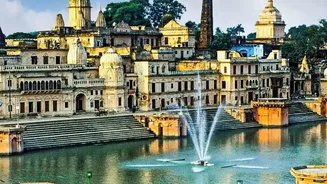
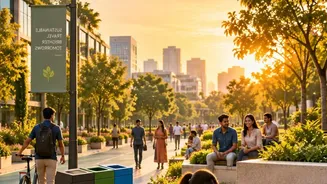
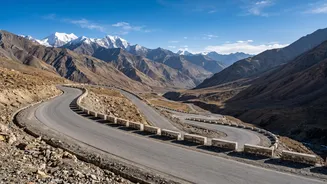
So, what does this look like for your next weekend away? Instead of trying to cover three different hill stations, pick one and explore its trails, market, and viewpoints thoroughly. Rather than a whirlwind tour of a major city's landmarks, choose a single neighbourhood and spend two days exploring its cafes, shops, and parks. You could visit a local farm stay and learn about their practices, or simply book a quiet guesthouse by the coast with no agenda other than to walk on the beach and eat fresh seafood. By embracing a slower, more focused approach, you give yourself the gift of a truly restorative break, creating lasting memories that go deeper than a quick photograph.