





The Science of Foil and Food
Aluminum foil is a wonderfully convenient tool, known for protecting food from light, oxygen, and moisture. This makes it an excellent barrier for preserving freshness. However, aluminum is a reactive metal. When it comes into contact with highly acidic
or very salty foods, a chemical reaction can occur. This reaction can cause tiny, tasteless particles of aluminum to migrate, or 'leach', from the foil into your food. While our bodies can process small amounts of aluminum, the goal of safe food storage is to minimize this transfer, especially over the long term. Five main factors can accelerate this leaching process: the food's acidity, its salt content, temperature, fat content, and the duration of contact. High heat and high acidity are the most significant contributors.
Foods to Keep Away From Foil
The key takeaway from food safety experts is to create a barrier between aluminum foil and certain types of ingredients. The highest risk comes from foods that are acidic, salty, or both. This includes a wide range of common items: tomato-based dishes like pasta sauces and spicy curries, citrus fruits such as lemons and limes, and anything containing vinegar, like pickles or salad dressings. Heavily salted foods, including cured meats and some cheeses, can also cause the foil to break down and leach metal. When you're marinating meats, it's a double risk, as most marinades contain both acid (like lemon juice or vinegar) and salt. It's best to avoid using foil for storing these items directly, especially if they will be sitting in the fridge for more than a day or two.
Is It Dangerous?
The conversation around aluminum leaching often raises health concerns. The European Food Safety Authority (EFSA) and other health bodies have established safe weekly intake levels for aluminum. For most healthy people, the amount of aluminum that might transfer from foil during short-term storage is low and unlikely to cause harm, as a healthy body can efficiently excrete it. The primary concern is long-term, cumulative exposure. For individuals with kidney issues, the body's ability to remove excess aluminum is compromised, making it more critical to limit intake. While some studies have explored links between high aluminum levels and certain diseases, there is currently no strong evidence directly linking the normal use of aluminum foil to an increased risk of disease in the general population. The main issue for everyday use is often a change in the food's taste, which can acquire a metallic flavour.
Best Practices for Safe Storage
You don't need to throw out your aluminum foil. When used correctly, it remains a valuable kitchen tool. The simplest rule is to avoid direct contact with problematic foods. If you want to use foil to cover a dish of leftover curry, for example, first place a layer of parchment paper or baking paper between the food and the foil. This creates a non-reactive barrier that prevents any leaching. Also, it's best to use foil for short-term storage of non-acidic, low-salt foods. Experts also advise against using foil for cooking at very high temperatures with acidic ingredients, as heat accelerates the reaction. Another point to consider is that foil doesn't create an airtight seal, which can allow bacteria to grow faster on leftovers. For this reason, airtight containers are often a better choice for storing food in the refrigerator.
Smarter Storage Alternatives
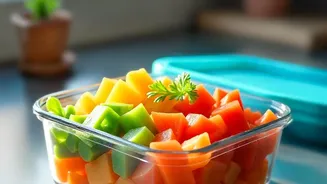
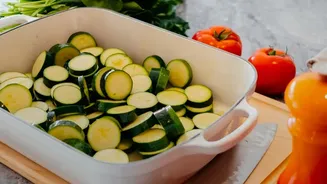
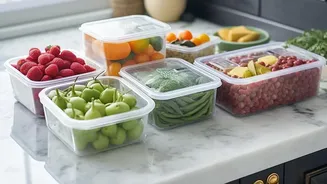
For storing acidic, salty, or long-term leftovers, several safer and often more effective alternatives exist. Glass containers are a top choice among food safety experts. Glass is chemically inert, meaning it won't react with your food or leach any substances, even when heated. They are also typically dishwasher and microwave safe, and because they are clear, you can easily see what's inside. High-quality stainless steel containers are another durable and safe option, though it's best to avoid storing highly acidic foods in them for extended periods as well. For wrapping sandwiches or other items on the go, reusable options like beeswax food wraps or silicone food covers provide a good alternative to single-use foil or plastic.