



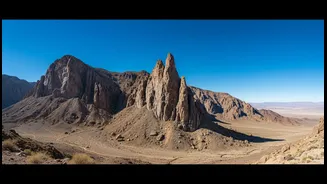


The Great Himalayan Rain Shadow
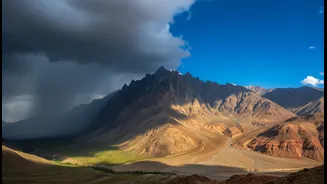
The secret to Ladakh's dry monsoon season lies in a simple geographic phenomenon: the rain shadow effect. The mighty Himalayan range acts as a colossal barrier, intercepting the moisture-laden monsoon clouds that sweep in from the Indian Ocean. As these
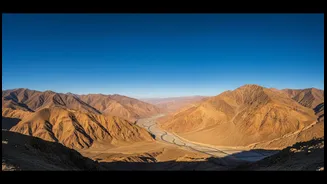
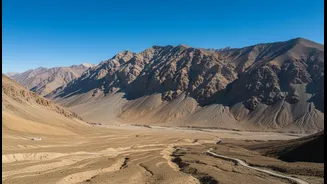
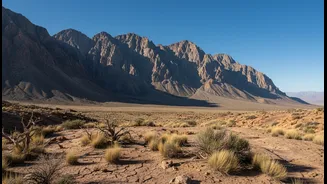
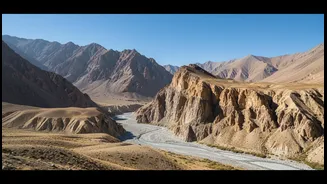
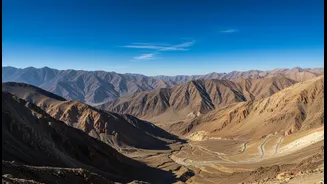
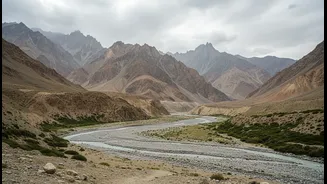
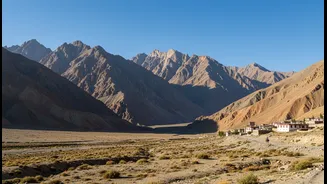
clouds are forced to rise over the mountains, they cool, condense, and release their rain and snow on the southern, windward side—drenching regions like Himachal Pradesh and Kashmir. By the time the winds cross the towering peaks and descend into Ladakh on the leeward side, they have lost almost all their moisture. This process leaves Ladakh with a strikingly arid climate, receiving less than 100 mm of rainfall annually, earning it the title of a 'cold desert.'
What This Means for Travellers
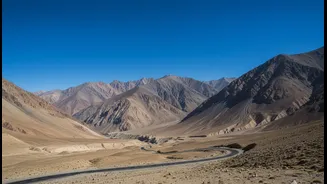
For visitors, this unique climate translates into ideal travel conditions. The July to September period, which is peak monsoon elsewhere, is peak summer in Ladakh. Days are pleasantly warm, with temperatures in Leh hovering between 20-25°C, perfect for sightseeing and outdoor activities. The high altitude and dry air result in exceptionally clear skies, making it a paradise for photographers and stargazers. With over 300 days of sunshine a year, the light is sharp and the vistas are unobstructed. While the rest of the country's travel plans might be washed out, Ladakh's internal attractions—from the serene Pangong Lake to the vast Nubra Valley—are in their prime.
The Roads: A Tale of Two Journeys
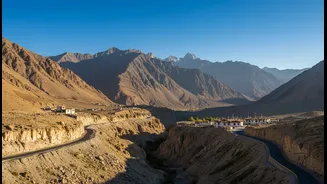
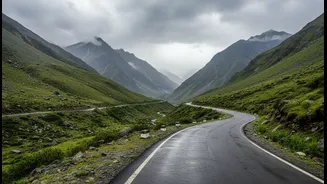
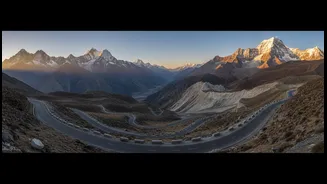
The headline's claim of 'safe roads' requires a crucial distinction. The roads within Ladakh are indeed generally safe and open during monsoon. Passes like Khardung La and Chang La, which connect Leh to Nubra Valley and Pangong Lake, are fully operational. However, the journey to Ladakh is another story. The two primary land routes, the Manali-Leh Highway and the Srinagar-Leh Highway, pass through regions that receive heavy monsoon rainfall. These approach roads are highly susceptible to landslides, flash floods, and slush, especially around Zoji La Pass on the Srinagar route and the stretches before Baralacha La on the Manali route. Recent years have seen frequent disruptions on the Manali-Leh highway due to flash floods near Jispa and other areas.
Planning Your Monsoon Escape
Given the challenges on the approach roads, the safest and most reliable way to reach Ladakh during the monsoon is by air. Flying directly into Leh's Kushok Bakula Rimpochee Airport bypasses all the highway risks, allowing you to begin your adventure in the heart of the dry zone. Once in Leh, you can hire local taxis or bikes to explore the region's internal road network, which remains largely unaffected by the monsoon. If you are set on a road trip, the Srinagar-Leh highway is generally considered the more reliable of the two, with better road conditions and quicker clearance times by the Border Roads Organisation (BRO). Regardless of your route, it is essential to build 2-3 buffer days into your itinerary to account for potential delays and always check the latest road status updates before you start.