
What is Hydroponics?
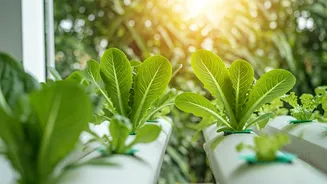
At its core, hydroponics is the practice of growing plants without soil. Instead of pulling nutrients from the earth, plants get everything they need from a nutrient-rich water solution. Their roots are either suspended directly in this liquid or supported
by an inert medium like clay pebbles, perlite, or cocopeat, which provides stability without interfering with the nutrient delivery. This technique allows for precise control over the plant's environment, from pH levels to nutrient content, essentially giving plants exactly what they need, when they need it. The result is often faster growth and more robust plants, as they don't have to expend energy searching for food in the soil.
The Urban Gardener’s Advantage
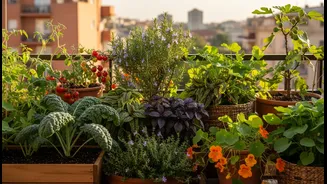
For anyone living in a bustling Indian city, the benefits of hydroponics are immediately obvious. The biggest advantage is its incredible space efficiency. Vertical hydroponic systems can be set up on balconies, windowsills, or even on a small kitchen counter, allowing you to grow a surprising amount of produce in a minimal footprint. Another major plus is water conservation. Hydroponic systems can use up to 90% less water than traditional soil-based gardening because the water is recirculated instead of lost to runoff or deep soil absorption. This makes it a highly sustainable option for water-conscious cities. Furthermore, growing in a controlled, soilless environment significantly reduces the risk of pests and soil-borne diseases, meaning you can grow clean, pesticide-free food for your family.
Easy Ways to Get Started
The world of hydroponics can seem technical, but several beginner-friendly systems make it easy to start. The two simplest methods are the Wick System and Deep Water Culture (DWC). The Wick System is completely passive, with no moving parts. A wick connects the plant roots to a reservoir of nutrient solution, pulling water up as needed. DWC is another straightforward method where plants sit in net pots with their roots dangling directly into an aerated nutrient solution. These systems are often recommended for beginners because they are inexpensive, low-maintenance, and perfect for growing leafy greens and herbs.
What to Grow in Your Water Garden
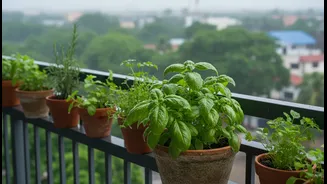
You can grow a wide variety of plants hydroponically, but for beginners, it’s best to start with crops that have a quick growth cycle. Leafy greens are the most popular choice for hydroponics in India and are perfect for newcomers. Think of fresh lettuce, spinach, and kale, all of which grow rapidly in these systems. Herbs are another fantastic option. Imagine having an endless supply of fresh coriander, mint, and basil right in your kitchen. These plants are not only easy to manage but are also in high demand in Indian households, making your gardening efforts instantly rewarding. Once you're comfortable, you can even try fruiting plants like cherry tomatoes and bell peppers.
A Simple DIY Setup
You don't need to invest in a costly pre-made kit to begin your hydroponic journey. A basic DIY system can be built for a surprisingly low cost. All you need is a light-proof container like a food-grade bucket, some net pots to hold your plants, a growing medium like cocopeat, and a hydroponic nutrient solution. For a simple DWC setup, you would cut holes in the lid of the bucket for the net pots, fill the bucket with the nutrient solution, and place your seedlings in the pots. An inexpensive aquarium air pump can be added to oxygenate the water, which helps the roots stay healthy. Position your setup near a sunny window that gets at least 4-6 hours of light, or supplement with an affordable LED grow light.