








A Monsoon of Two Minds
The 2026 southwest monsoon has been a story of stark contrasts. After a concerningly dry June, July brought a deluge that helped narrow the rainfall deficit. However, the season has remained patchy, particularly in September. As of mid-September, the country
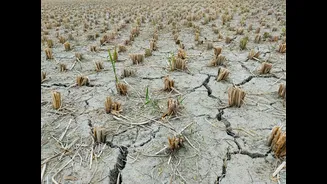
faces an overall rainfall deficit of around 15%, but this national average hides deep regional disparities. Key agricultural belts in the south, east, and north have experienced significant shortfalls, while other areas have contended with downpours. This spatial imbalance is more critical than the national total because it means rain isn't falling where and when it's needed most for crops.
Why September's Rain Is So Crucial
For India’s agricultural cycle, September is a make-or-break month. This period is vital for the Kharif or summer crops, which are sown in June and July and enter their final growth stages before the autumn harvest. Staples like rice, pulses, and oilseeds depend on adequate soil moisture during this time to mature properly and determine their final yield. A significant rainfall deficit in September not only threatens the standing Kharif crops but also impacts the planting of the next cycle of winter (Rabi) crops, which rely on the moisture left in the soil and the water levels in reservoirs.
The Crops Under a Cloud
The primary victims of this erratic rainfall are some of India's most essential food sources. The acreage for paddy (rice), the main Kharif crop, is down by about 4% compared to last year, with significant decreases in states like Karnataka, Telangana, and Uttar Pradesh. This has led to forecasts of the biggest drop in rice production in nearly two decades. Pulses, a cornerstone of Indian protein intake, are also under stress. While overall pulse acreage shows a slight increase, key varieties like tur (pigeon pea) are vulnerable due to poor rains in their main growing regions. Similarly, oilseeds, cotton, and sugarcane have also seen their sown areas shrink compared to the previous year.
From Farm Fields to Your Kitchen
The connection between lower crop yields and household budgets is direct and often swift. Reduced production tightens supply, leading to higher prices in wholesale markets, a trend that inevitably trickles down to retail consumers. Food inflation has already been a concern, climbing to 5.95% in August, its highest level this year. Experts warn that prices for key Kharif crops like maize, tur, and soybean are already showing significant year-on-year increases. The cost of staples like dal (pulses) and cooking oils is particularly sensitive to these monsoon-driven supply shocks.
The Perils of Perishables
It’s not just grains and pulses. Vegetables are extremely sensitive to weather disruptions. Poor or excessive rain can damage crops, reduce harvests, and disrupt transportation from farms to markets, causing immediate price spikes. Onions, a frequent driver of food inflation, have seen their inflation rate almost double in a single month recently. This volatility in vegetable prices puts a direct strain on the daily expenses of households across the country, affecting everything from a simple meal to a family's overall budget.
Are There Any Safety Nets?
While the situation is concerning, there are some mitigating factors. The Indian government maintains buffer stocks of key staples like rice and wheat, which can be released to cool down prices in the open market. These reserves act as a crucial safety net against severe shortages. However, for other commodities like pulses and sugar, the country may need to rely more on imports to bridge the supply-demand gap, a measure the government has already taken with sugar. The performance of the upcoming Rabi season will also be critical in determining the food price trajectory for the first half of next year, making current reservoir levels a key metric to watch.