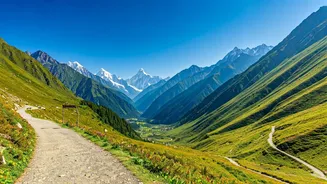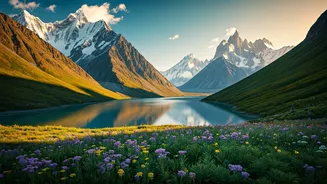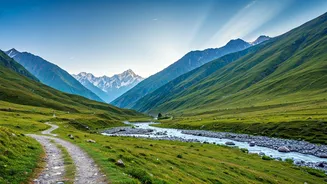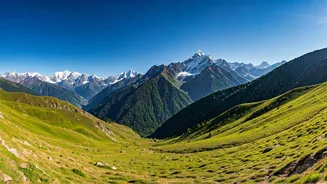



Tirthan Valley, Himachal Pradesh: The Riverside Retreat
Forget the chaos of Manali; a turn before the Aut tunnel leads you to the tranquil Tirthan Valley. Part of the Great Himalayan National Park's buffer zone, this valley is a paradise for those who prefer the sounds of a rushing river over bustling market
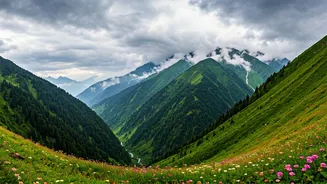
streets. The drive itself, winding alongside the Beas and then the Tirthan River, is a spectacular prelude to the serenity that awaits. The valley offers a chance to disconnect, with activities centered around nature. You can spend your days trekking to hidden waterfalls, trying your hand at trout fishing (with a permit), or simply finding a comfortable rock by the river to read a book. Homestays and eco-camps are plentiful, offering an authentic experience of Himachali hospitality. The best time to visit is from March to June for pleasant weather or September to November for crisp air and clear skies.
Munsiyari, Uttarakhand: The Peak Perch
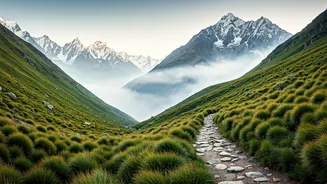
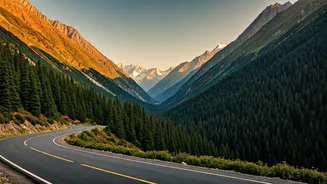
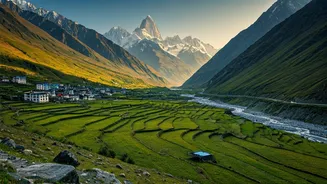
Often called 'Little Kashmir', Munsiyari is where you go for jaw-dropping, direct views of the Panchachuli peaks—five snow-clad Himalayan giants that dominate the horizon. Located in the Pithoragarh district, reaching Munsiyari is a commitment, requiring a multi-day drive from Delhi, but the reward is immense. The journey through the Kumaon region is an adventure in itself, with winding roads and changing landscapes. Munsiyari serves as a base for serious treks like the Milam Glacier and Namik Glacier treks, but it’s equally rewarding for those who just want to relax and soak in the views from their hotel balcony. The town has retained a pristine, untouched beauty, offering a peaceful escape from commercial tourist hubs. For the best views and clear skies, plan your drive between March and June or September and November.
Chopta, Uttarakhand: The Meadow of Serenity
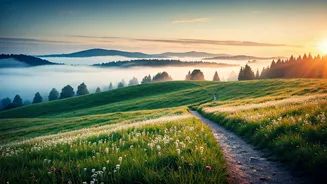
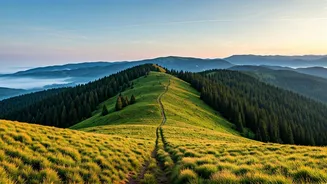
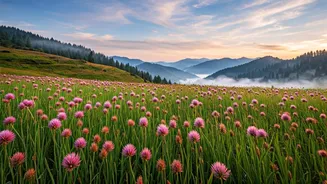
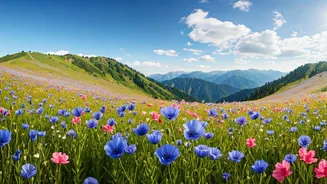
Known as the 'Mini Switzerland of India', Chopta is a small region of lush meadows and evergreen forests, serving as the base for the Tungnath-Chandrashila trek. Situated in the Garhwal Himalayas, it offers breathtaking 360-degree views of Himalayan peaks, including Trishul, Nanda Devi, and Chaukhamba. The drive to Chopta is as scenic as the destination itself, taking you through towns like Devprayag and Rudraprayag. While popular with trekkers, Chopta remains far less crowded than its mainstream counterparts. The trek to Tungnath, the world's highest Shiva temple, is a spiritual and scenic journey, while the further climb to Chandrashila Peak rewards you with a panoramic view that is truly unforgettable. For those not keen on trekking, the meadows themselves are perfect for camping and birdwatching. The ideal time for a visit is from April to June when the rhododendrons are in full bloom.
Kalpa, Himachal Pradesh: The Apple Orchard Paradise
High in the Kinnaur district, Kalpa is a heritage village that offers a spectacular view of the Kinner Kailash range. Famous for its apple orchards and a unique blend of Hindu and Buddhist cultures, Kalpa feels like a world away from the rush of modern life. The drive, especially the stretch from Shimla, is an exhilarating journey on the old Hindustan-Tibet road. Once there, you can explore the village's traditional wooden houses, visit the Narayan-Nagani temple, or see the Hu-Bu-Lan-Car Gompa. A short drive away is the dramatic Suicide Point, offering vertigo-inducing views of the valley below. The true magic of Kalpa, however, lies in its sunrises, when the first rays of light hit the Kinner Kailash peak, bathing it in golden hues.