





Not Your Average Ice Cream
Before we dive into its newfound fame, let’s get one thing straight: kulfi is not ice cream. While both are frozen desserts, they are fundamentally different. Ice cream is made from a cream or custard base that is churned while it freezes, incorporating
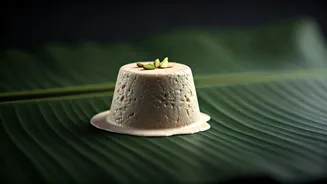
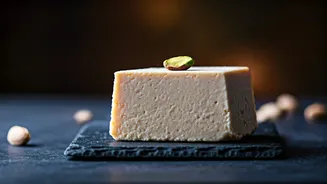
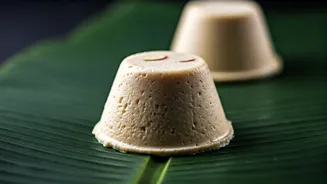
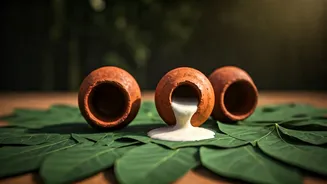
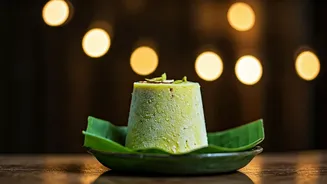
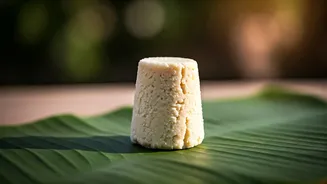
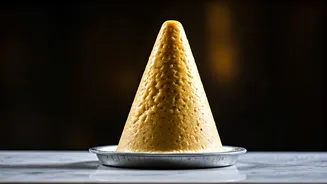
air to create a light, fluffy texture. Kulfi, on the other hand, is a no-churn affair. It’s traditionally made by slowly simmering full-fat milk for hours until it reduces, thickens, and caramelises, a process known as making *khurchan*. This dense, concentrated milk is then flavoured, often with cardamom, saffron, pistachios, or almonds, poured into moulds (*matkas* or conical containers), and slow-frozen. The result is a dessert that is far denser, creamier, and richer than any ice cream, with a unique, slightly grainy texture from the milk solids.
The Amritsari Difference
While kulfi is beloved across India, the Amritsari version has a legendary status for a reason. The secret lies in its uncompromising adherence to tradition. Amritsari kulfi makers are masters of the slow-simmer. They patiently reduce milk in large, wide pans (*kadhais*), meticulously scraping the sides to reincorporate the caramelised milk solids back into the mixture. This not only imparts a deep, nutty, and complex flavour but also creates its signature texture. Often, it’s served simply, allowing the quality of the kulfi itself to shine. It might be sliced into rounds from a large frozen log and served plain, or paired with a delicate pool of falooda (thin vermicelli noodles) and a drizzle of rose syrup. It’s less about toppings and more about the purity of the product.
From Royal Courts to City Streets
Kulfi’s origins trace back to the Mughal Empire in the 16th century, where it was a delicacy enjoyed in royal courts. The use of ice, brought down from the Himalayas, to create frozen desserts was a luxury. Over centuries, this royal treat trickled down and became an integral part of the subcontinent's street food culture. In the bustling lanes of Amritsar, kulfi isn't just a dessert; it's a heritage craft passed down through generations. Families have been perfecting their recipes for decades, with legendary shops like A-One Kulfi and Mahajan Kulfi becoming pilgrimage sites for food lovers. It’s a taste of history, a connection to the city's rich culinary past.
The Social Media Makeover
So, why is this centuries-old dessert suddenly trending on Instagram and TikTok? The answer is in the performance. The modern 'viral' moment for Amritsari kulfi isn't just about the taste—it's about the spectacle. Food influencers and travellers are captivated by the visual theatre of its preparation. Videos showcasing a vendor skillfully pulling a long, cylindrical mould from a vat of ice and salt, then expertly and rhythmically slicing the frozen kulfi into perfect discs, are incredibly satisfying to watch. The hypnotic repetition of the knife, the clean cuts through the dense dessert, and the final, beautiful plating with falooda and syrups create a compelling visual narrative. It’s ASMR for foodies, a sensory experience that translates perfectly to the short-form video format.
Why Authenticity Is the New Trend
The rise of Amritsari kulfi is part of a larger trend where authenticity and craftsmanship are being celebrated. In a world saturated with mass-produced, brightly coloured, and artificially flavoured desserts, the simplicity and integrity of a traditional kulfi stands out. It represents slow food in a fast-paced digital world. There are no shortcuts, no powders, no artificial thickeners—just milk, sugar, time, and skill. This very realness is what makes it so appealing. Viewers aren't just seeing a dessert; they're seeing a craft. This online buzz has a real-world impact, driving new customers to old establishments and inspiring a renewed appreciation for culinary heritage among a younger generation.