
The Post-Monsoon River Explained
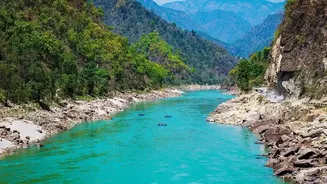
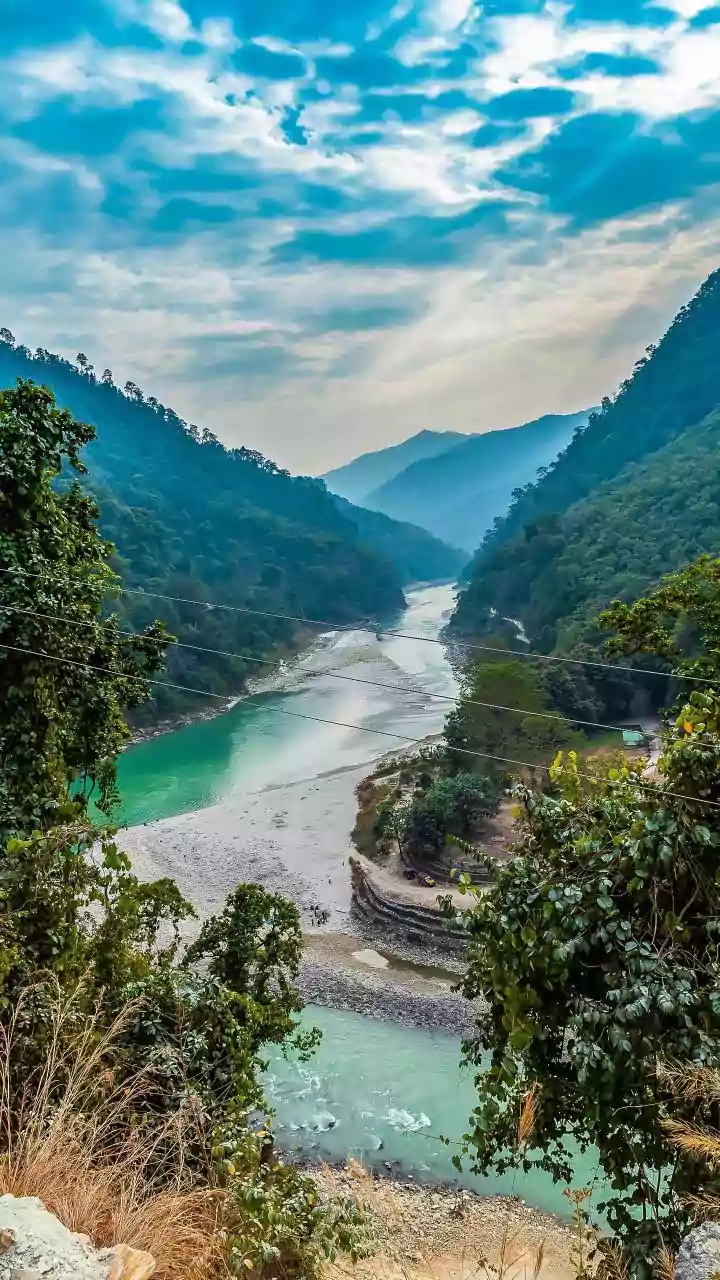
Late September in Rishikesh is a time of transition. The official rafting season typically reopens around the middle of the month after being closed from July to early September for safety reasons during the peak monsoon. The river, fed by monsoon runoff,
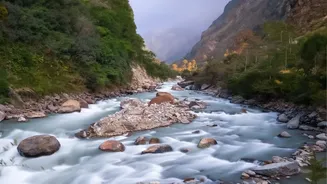
is often faster and higher than in other parts of the year. This doesn't just mean a more thrilling ride; it fundamentally changes the nature of the rapids. A channel that might be a gentle Grade II in May could behave like a more challenging Grade III in September. The water is also often colder and carries more sediment. This isn't a reason to stay away, but it is a reason to be more informed and cautious, as conditions can be variable. Operators often begin with shorter, more manageable stretches as they assess the river's behaviour.
Best Stretches for Beginners Now
For first-time rafters, especially during this period of high water, the golden rule is to start small. The most suitable stretch is the Brahmpuri to Rishikesh route, which is approximately 9 km. It is known for having Grade I and II rapids, which offer a fantastic introduction to white water without being overwhelming. While more famous stretches like the 16 km route from Shivpuri are incredibly popular, their Grade III rapids like 'Roller Coaster' and 'Golf Course' can be significantly more intense with late-monsoon water levels. The key is to be flexible. The availability of any stretch is dependent on the daily water levels and decisions made by local authorities. Always confirm with your operator which routes are officially open and recommended for beginners on the specific day of your trip.
How to Choose a Safe Operator
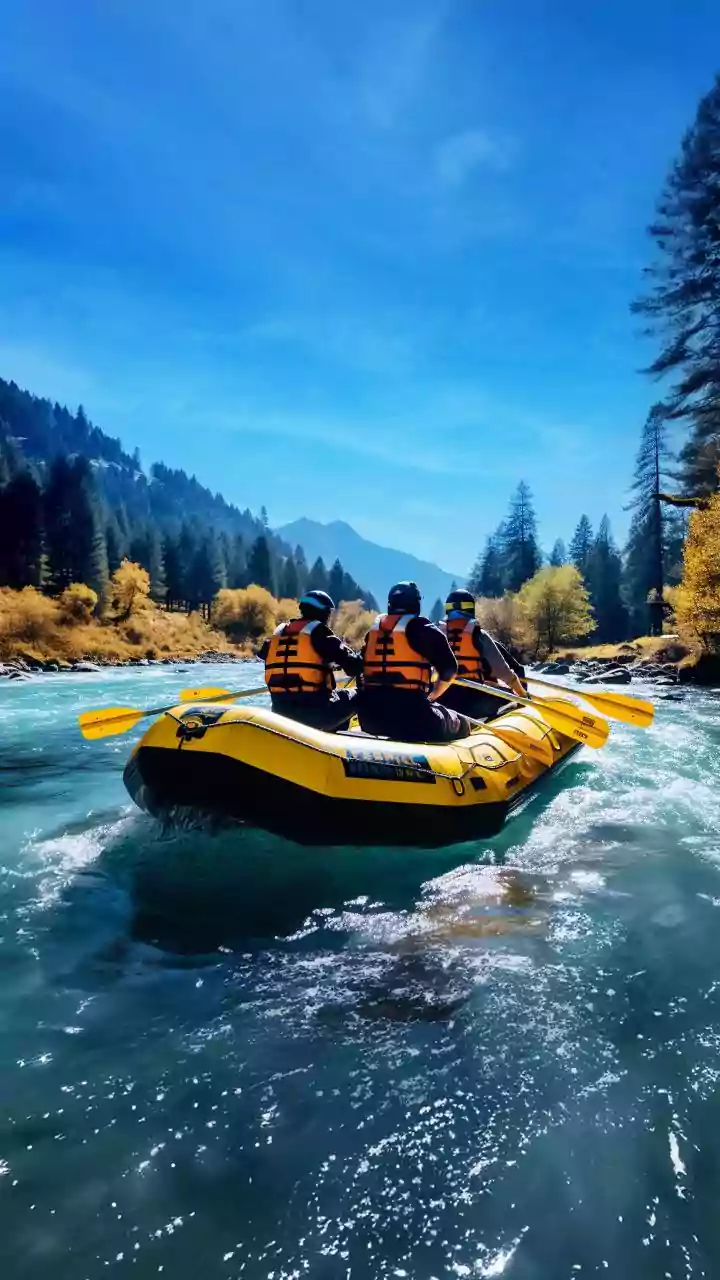
Your safety on the river is directly linked to the quality of your rafting operator. Don't be tempted by the cheapest offer you find. The first and most critical question to ask is: Are you licensed by the Uttarakhand Tourism Development Board?. This is non-negotiable. Licensed operators are held to specific safety standards. Inquire about their guides' certifications, such as from the Indian Rafting Foundation (IRF) or international equivalents, and their experience with post-monsoon conditions. A professional outfit will provide a thorough safety briefing before you even get near the water, covering paddling commands and what to do if you fall overboard. They should also provide high-quality, well-maintained equipment, including properly fitting helmets and life jackets (also known as Personal Flotation Devices or PFDs).
Essential Questions and Red Flags
When you book, go beyond the price. Ask specific questions: What is the guide-to-guest ratio on the raft? Will there be a safety kayaker accompanying the trip? A safety kayaker is a skilled professional who paddles alongside the raft and is crucial for quick rescues in challenging rapids. Pay attention to the state of the equipment. If helmets are cracked or life jackets have broken clips, consider it a major red flag. Another warning sign is an operator who is willing to take you on a closed or unapproved stretch of the river. Similarly, avoid any operator who downplays the risks or rushes through the safety briefing. A good guide wants you to be prepared, not just thrilled. Finally, never consume alcohol before or during a rafting trip.
Your Role on the Raft
Being a safe rafter isn't just about picking the right guide; it's about being an active, attentive participant. Listen carefully during the safety briefing. Even if you're a non-swimmer, which is common among rafters in Rishikesh, knowing how to position your body and float if you fall out is vital. Always wear the safety gear provided and ensure it fits snugly. On the water, your most important job is to listen to your guide's commands and paddle as a team. A coordinated team is essential for navigating rapids effectively. If you have any health concerns, be sure to disclose them to your guide beforehand. This isn't just a ride; it's a team sport on a powerful, moving river.