


The Science of Short Workouts
The biggest barrier to exercise is often the idea that it requires a huge time commitment. But research shows that short, intense bursts of movement, sometimes called 'micro-workouts', can be highly effective. These brief sessions, lasting just a few
minutes, can improve cardiovascular health, boost metabolism, and increase muscle strength over time. The key is consistency and intensity. By breaking up long periods of sitting, you combat the negative effects of a sedentary lifestyle and give your body and mind a frequent reset, which improves focus and energy levels. Think of it not as a replacement for longer workouts, but as a powerful tool to ensure you move your body every single day.
The Full-Body Wake-Up
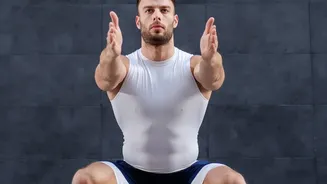
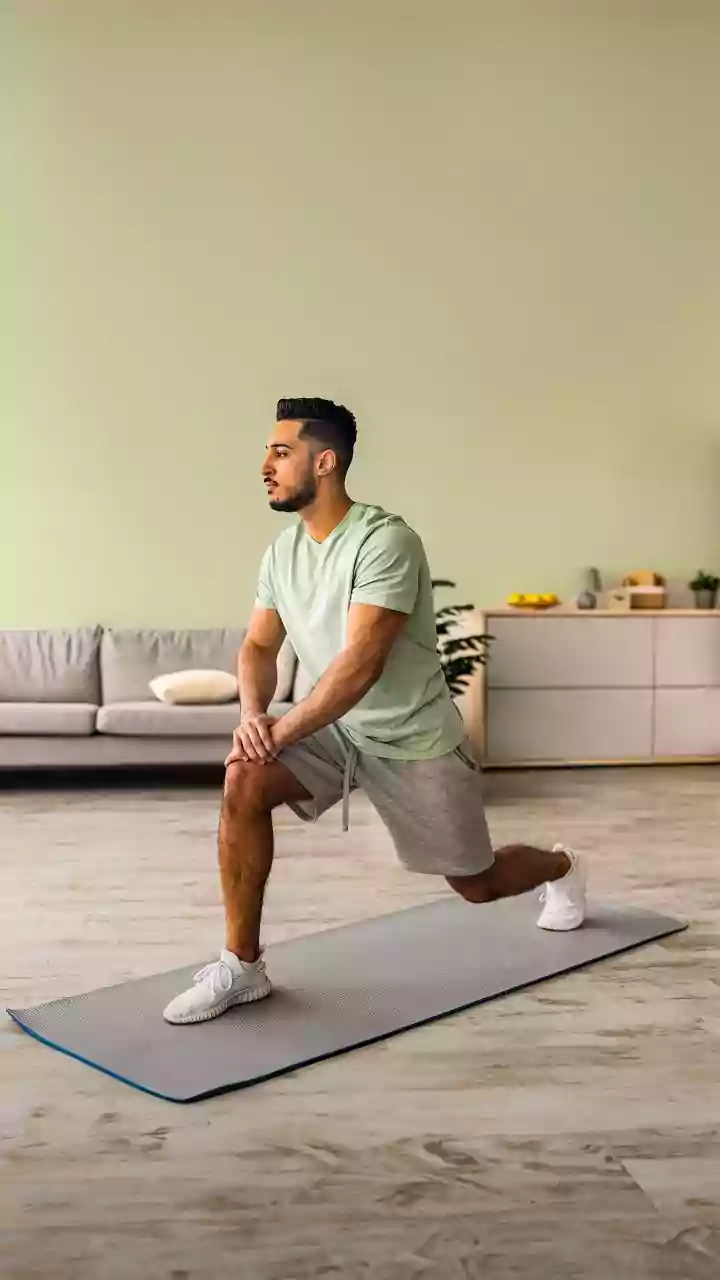
Start your day with a routine that activates all your major muscle groups and gets your heart rate up. This High-Intensity Interval Training (HIIT) circuit is designed for maximum efficiency. Perform each exercise for 40 seconds, followed by 20 seconds of rest before moving to the next. Complete one round. 1. Jumping Jacks: A classic cardio move to warm up the body. 2. Bodyweight Squats: Focus on keeping your chest up and lowering your hips as if sitting in a chair. 3. Push-Ups: Do them on your toes or drop to your knees for a modification. This works your chest, shoulders, and arms. 4. Mountain Climbers: From a plank position, drive your knees toward your chest, keeping your core engaged.
The Mid-Day Desk Reset
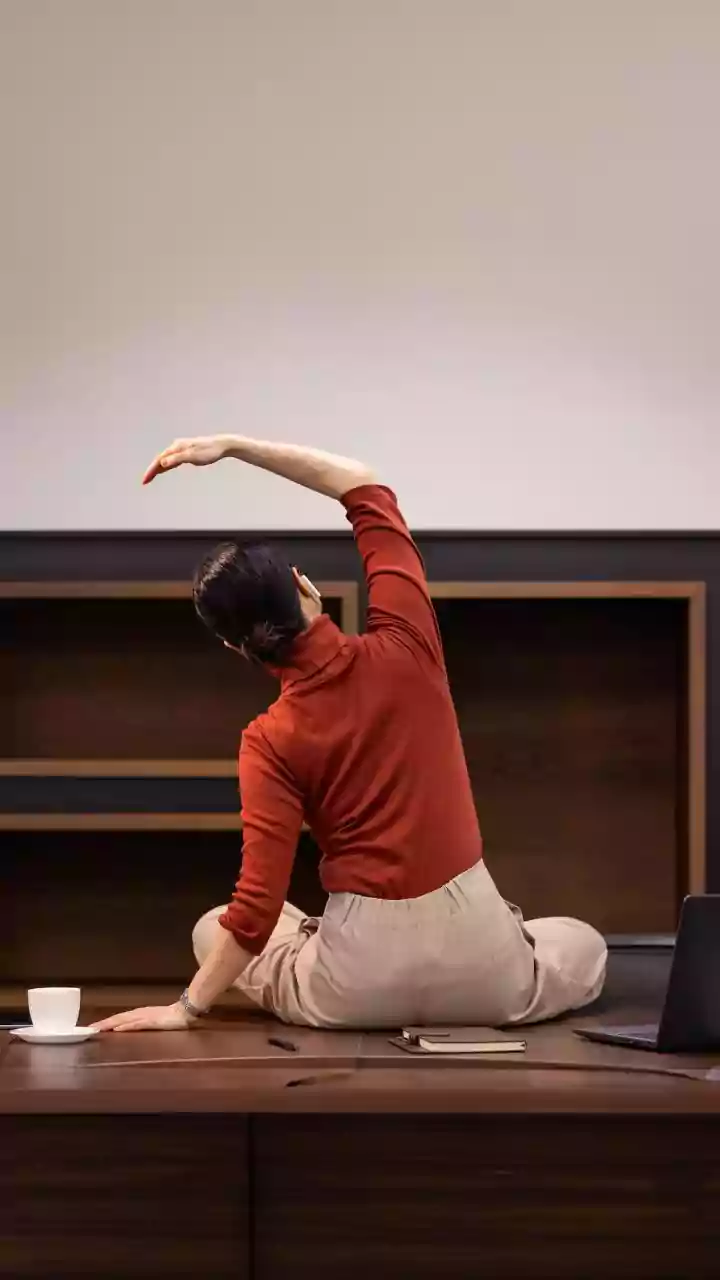
If you spend hours sitting at a desk, your posture and energy levels can suffer. This routine is designed to counteract the negative effects of prolonged sitting and can be done in a small office space. Perform each move for 60 seconds. 1. Chair Squats: Stand up from your chair and squat down until you barely touch the seat, then stand back up. Repeat for the full minute. 2. Desk Push-Ups: Place your hands on the edge of a sturdy desk and perform push-ups at an incline. 3. Spinal Twists: While seated, gently twist your torso to look over one shoulder, then the other, to release tension in your back. 4. Glute Bridges: Lie on the floor, bend your knees, and lift your hips toward the ceiling to activate your glutes, which can become weak from sitting.
The Five-Minute Core Burn
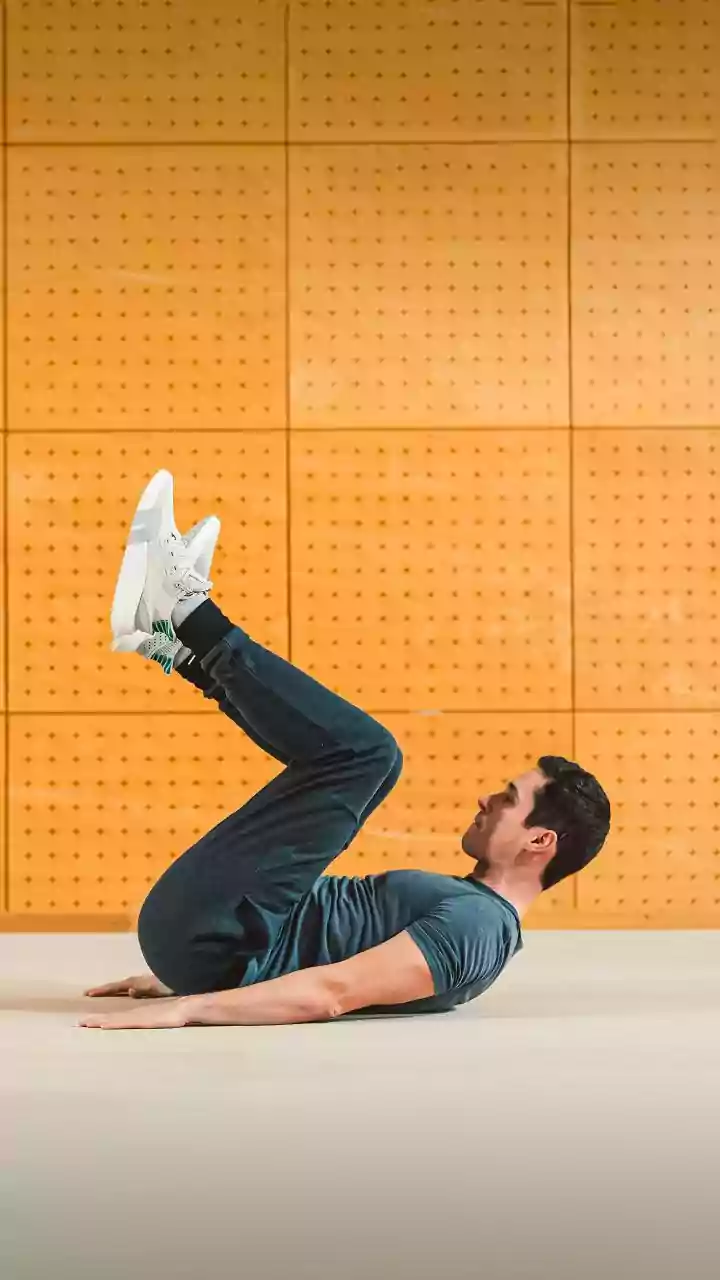
A strong core is essential for good posture, balance, and preventing lower back pain. This quick circuit targets every part of your abdominal wall. Perform each exercise for 30 seconds with minimal rest in between, and repeat the full circuit twice. 1. Plank: Hold a straight line from your head to your heels, either on your forearms or hands. 2. Bicycle Crunches: Lie on your back and bring your opposite elbow to your opposite knee in a controlled motion. 3. Leg Raises: Lie on your back with your hands under your lower back for support, and slowly raise and lower your legs. 4. Bird-Dog: Start on all fours, and extend your opposite arm and leg while keeping your core tight to maintain balance.
How to Make the Habit Stick
The most effective workout is the one you actually do. Consistency is more important than duration, especially when you're starting out. To build a lasting habit, try 'habit stacking'—link your five-minute workout to something you already do every day, like right after you brush your teeth or while your morning coffee brews. Schedule it in your calendar as a non-negotiable appointment. Don't worry about perfection; some movement is always better than none. On days you feel tired, opt for a lighter routine like stretching or a brisk walk. The goal is to build momentum and prove to yourself that you always have time to prioritise your health.