

Seeing More Than a Point of Light
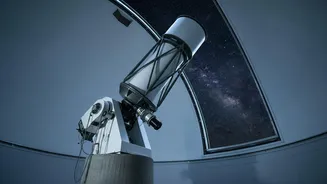
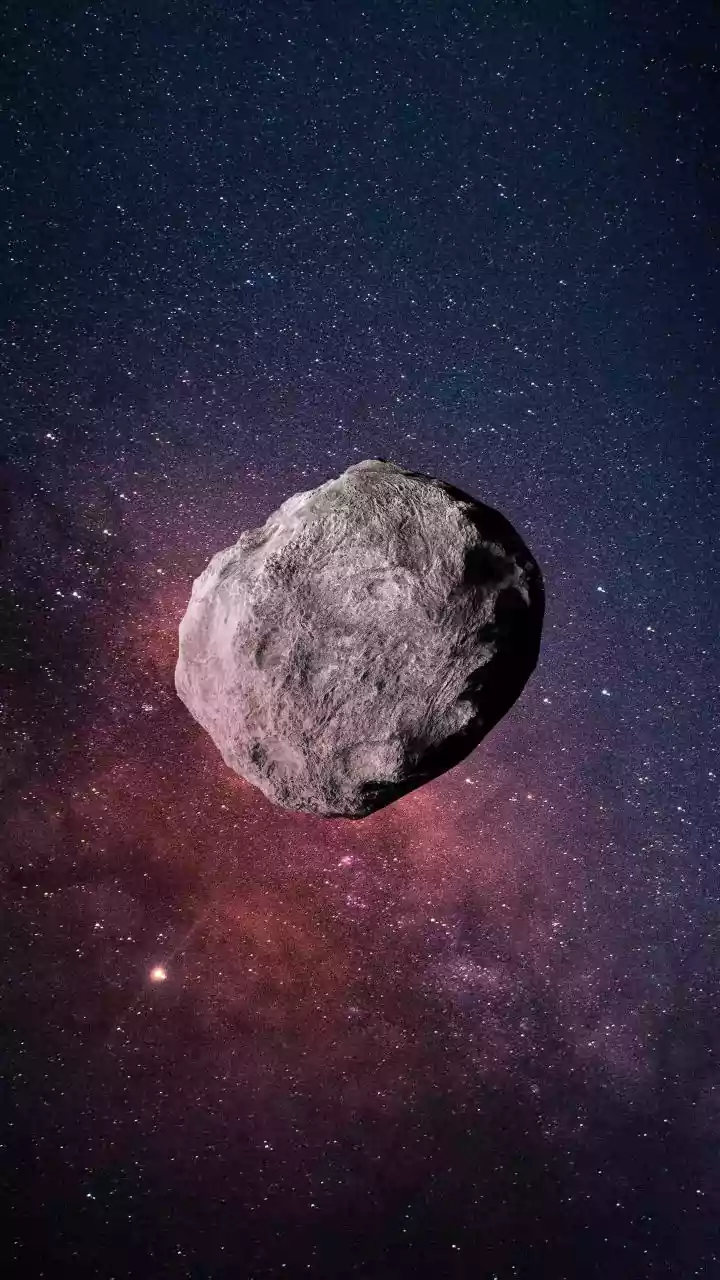
When an optical telescope spots a new near-Earth asteroid, it usually appears as a single point of light against a background of stars. Astronomers can track this dot to calculate a preliminary orbit, but there's a lot of uncertainty. Is it big or small?
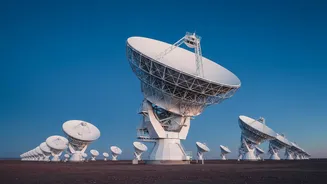
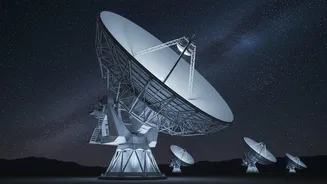
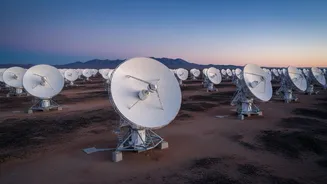
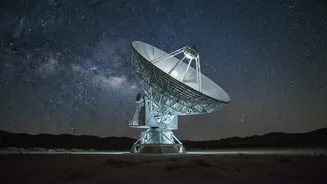
What is its exact path? Relying only on optical data can leave huge margins of error—sometimes hundreds of thousands of kilometers—in predicting an asteroid's future position. This is where planetary radar comes in. Unlike passive telescopes that just collect light, radar is an active technique. Giant antennas, like the Goldstone Solar System Radar in California, act like a cosmic-scale speed gun, providing a level of detail that optical instruments alone cannot match.
How Radar 'Paints' an Asteroid
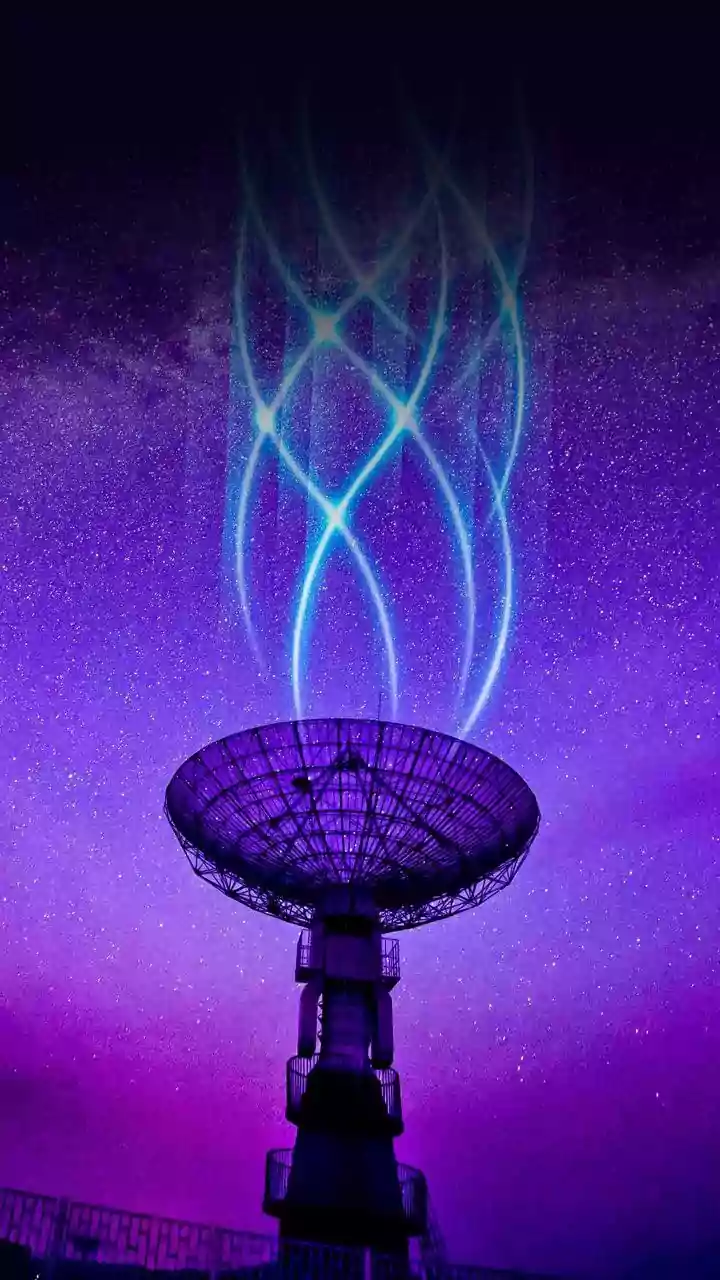
The process is straightforward in concept but monumental in scale. A powerful radio signal is beamed from a massive antenna toward the target asteroid, which could be millions of kilometers away. This signal travels through space, bounces off the asteroid's surface, and a tiny fraction of that reflected energy—the echo—is collected by one or more receiving antennas back on Earth. Scientists have complete control over the outgoing signal, so by analyzing the faint echo, they can learn an incredible amount. The time it takes for the echo to return gives them an extremely precise measurement of the asteroid's distance, a technique called 'ranging'. This is far more accurate than what can be determined by optical parallax methods.
The Power of the Echo
The returning signal holds more secrets than just distance. As the asteroid moves and rotates, the frequency of the radio waves in the echo is slightly altered due to the Doppler effect. Portions of the asteroid rotating toward Earth will slightly increase the frequency, while parts rotating away will decrease it. By analyzing this Doppler shift, scientists can determine the asteroid's velocity with remarkable precision. Furthermore, the way the signal scatters reveals details about the object’s physical properties. It can help determine its size, shape, and even surface features like large boulders or craters, sometimes with a resolution of just a few meters. In some cases, radar has even revealed that an asteroid has its own tiny moon.
From Data to High-Definition Trajectories
This is the crucial step. By combining the hyper-accurate distance from ranging with the hyper-accurate velocity from the Doppler shift, astronomers can slash the uncertainties in an asteroid's orbit. A single radar observation can shrink the margin of error by orders of magnitude compared to an orbit calculated using only optical data. This allows scientists at NASA's Center for Near-Earth Object Studies (CNEOS) to create incredibly detailed trajectory maps, projecting an asteroid's path decades or even centuries into the future. This is the difference between knowing an asteroid will pass somewhere 'near' Earth and knowing for sure whether it will safely miss our planet.
A Key Tool for Planetary Defense
The ability to accurately predict an asteroid's future path is the bedrock of planetary defense. The case of the asteroid Apophis is a perfect example. Early observations after its 2004 discovery suggested a small but concerning chance of it hitting Earth in 2029. Subsequent radar observations, particularly those in 2013 and 2021 by the Goldstone radar, were instrumental in refining its orbit. These observations allowed scientists to definitively rule out any impact risk from Apophis for at least the next 100 years, turning a potential threat into a fascinating scientific opportunity. Without the precision of radar, this level of certainty would have been impossible, leaving a cloud of doubt over our planet's future safety.