
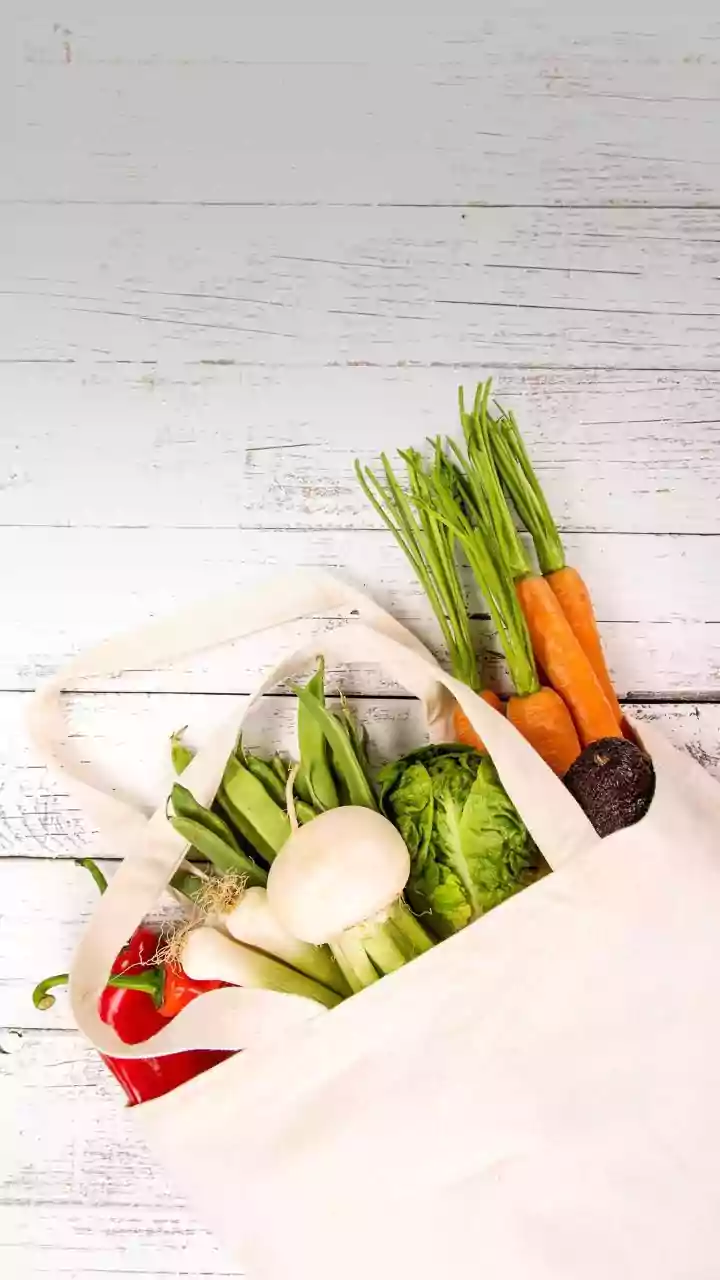



Plan Before You Purchase
The first step to smarter vegetable shopping happens before you even leave the house. A common mistake is buying produce without a plan, leading to over-purchasing and inevitable waste. Before your next trip, take a quick inventory of your fridge and pantry.
See what you already have to avoid buying duplicates. Then, sketch out a rough meal plan for the week. This doesn't need to be rigid, but knowing you need carrots for a soup and cabbage for a slaw helps you buy with purpose. A detailed shopping list is your best defence against impulse buys and bargain deals on vegetables you won't realistically use. Shopping more frequently for smaller amounts, such as two to three times a week, can also help ensure peak freshness and reduce spoilage.
Know Your Long-Lasting Veggies
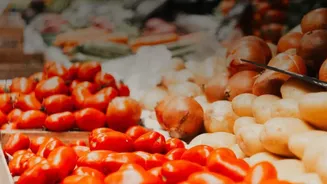
Not all vegetables are created equal when it comes to shelf life. Building your shop around long-lasting staples provides a solid foundation for your week's meals. Root vegetables like potatoes, sweet potatoes, carrots, and beets are champions of longevity. When stored in a cool, dark, and dry place, they can last for weeks. Similarly, hardy vegetables like cabbage, onions, and winter squashes (think pumpkin and butternut) are also excellent choices for long-term storage. On the other hand, delicate items like leafy greens, cucumbers, and mushrooms have a much shorter lifespan and should be bought in smaller quantities, intended for use within a few days.
The Art of Selecting Fresh Produce
When you're at the store, use your senses to pick the best of the bunch. Don't just shop with your eyes; how a vegetable feels and smells are great indicators of freshness. Look for produce with smooth, intact skin, and avoid items with significant bruises, holes, or soft spots, as these will spoil faster. For firm vegetables like carrots, celery, or cucumbers, they should feel crisp and solid. A vegetable brush is useful for scrubbing firm produce before use. When choosing leafy greens, look for vibrant colours and crisp leaves, avoiding any that are wilted or yellowing. For packaged produce, check for excess moisture in the bag, which can accelerate mould growth.
Avoid Common Shopping Mistakes
Convenience can sometimes come at the cost of freshness and value. For example, pre-cut and pre-packaged vegetables may seem like a time-saver, but they often have a shorter shelf life because the increased surface area is more exposed to bacteria. They should ideally be used very quickly. Whole vegetables will almost always last longer and are often more economical. Also, be wary of appearances. The shiniest, most perfectly uniform vegetable isn't always the most flavourful or fresh. Minor imperfections are often just a sign of natural growth and don't necessarily indicate lower quality. Finally, buying in season is a great strategy. In-season produce is typically fresher, tastes better, and is more affordable.
Proper Storage Is Key to Longevity
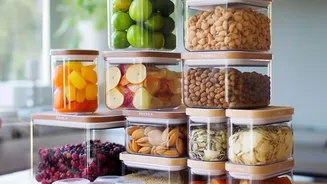
Once you get your groceries home, how you store them is crucial. Most fresh vegetables thrive in the cold, humid environment of your refrigerator's crisper drawer. However, there are important exceptions. Potatoes, onions, and garlic should be stored in a cool, dark, and dry place like a pantry—refrigeration can negatively affect their texture and flavour. Tomatoes also do best at room temperature and should be kept out of the fridge. It's also wise to keep certain fruits and vegetables separate. Ethylene gas, which is naturally released by fruits like apples and bananas, can cause nearby vegetables to ripen and spoil faster. To further reduce bacteria, always wash produce under running water right before you plan to use it, not before storing it, as excess moisture can lead to decay.