




Hibiscus
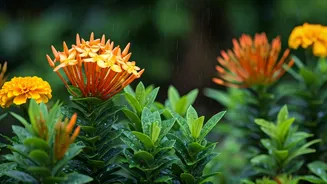
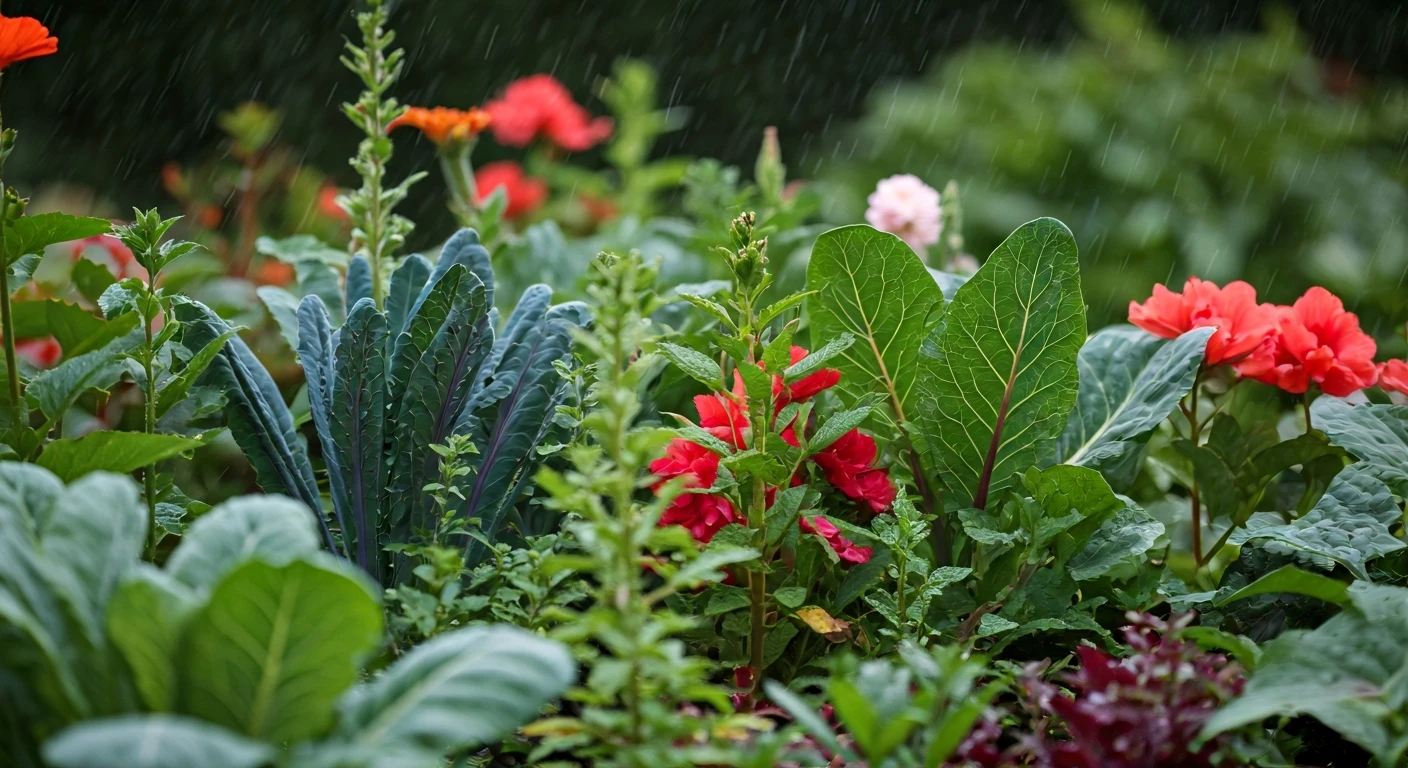
A quintessential tropical flower, the hibiscus loves the moisture and humidity of the monsoon. These plants produce large, vibrant blooms in shades of red, pink, yellow, and white, adding a splash of colour to any garden. They grow quickly during this
season, but it's crucial to ensure they are planted in well-draining soil to prevent root rot from waterlogging. Pruning the plant during the early monsoon can help encourage more flowers and maintain a good shape. Keep an eye out for common monsoon pests like aphids and mealybugs; a simple neem oil spray can help keep them at bay.
Jasmine (Mogra)
Known for its intoxicating fragrance that seems to hang in the damp evening air, jasmine is a monsoon favourite. The humid weather encourages these vines and shrubs to bloom profusely. Arabian jasmine, or Mogra, is especially popular and thrives in the increased moisture. Plant it in a spot that receives partial to full sunlight and has well-drained soil. The combination of the sweet scent of jasmine and the smell of fresh rain (petrichor) is a classic monsoon experience.
Marigold
Cheerful and hardy, marigolds are one of the easiest flowers to grow during the rainy season. Their bright yellow, orange, and gold blossoms can brighten up even the greyest monsoon day. Marigolds are adaptable and can tolerate moderate rainfall, though they dislike waterlogged soil. They also act as a natural pest repellent, making them an excellent companion plant for your vegetable patch to protect other plants.
Rain Lily
As the name suggests, these delicate flowers often pop up as if by magic right after a shower. Rain lilies grow from bulbs and produce beautiful, star-shaped blossoms in shades of pink, white, and yellow. They are incredibly low-maintenance and are perfect for planting in pots or along garden borders. A few rainy spells are all they need to put on a spectacular, albeit brief, show.
Monsoon Vegetables
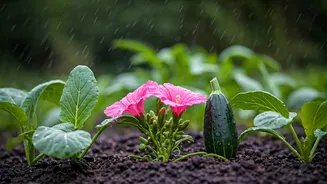
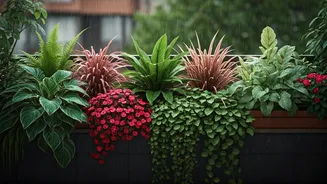
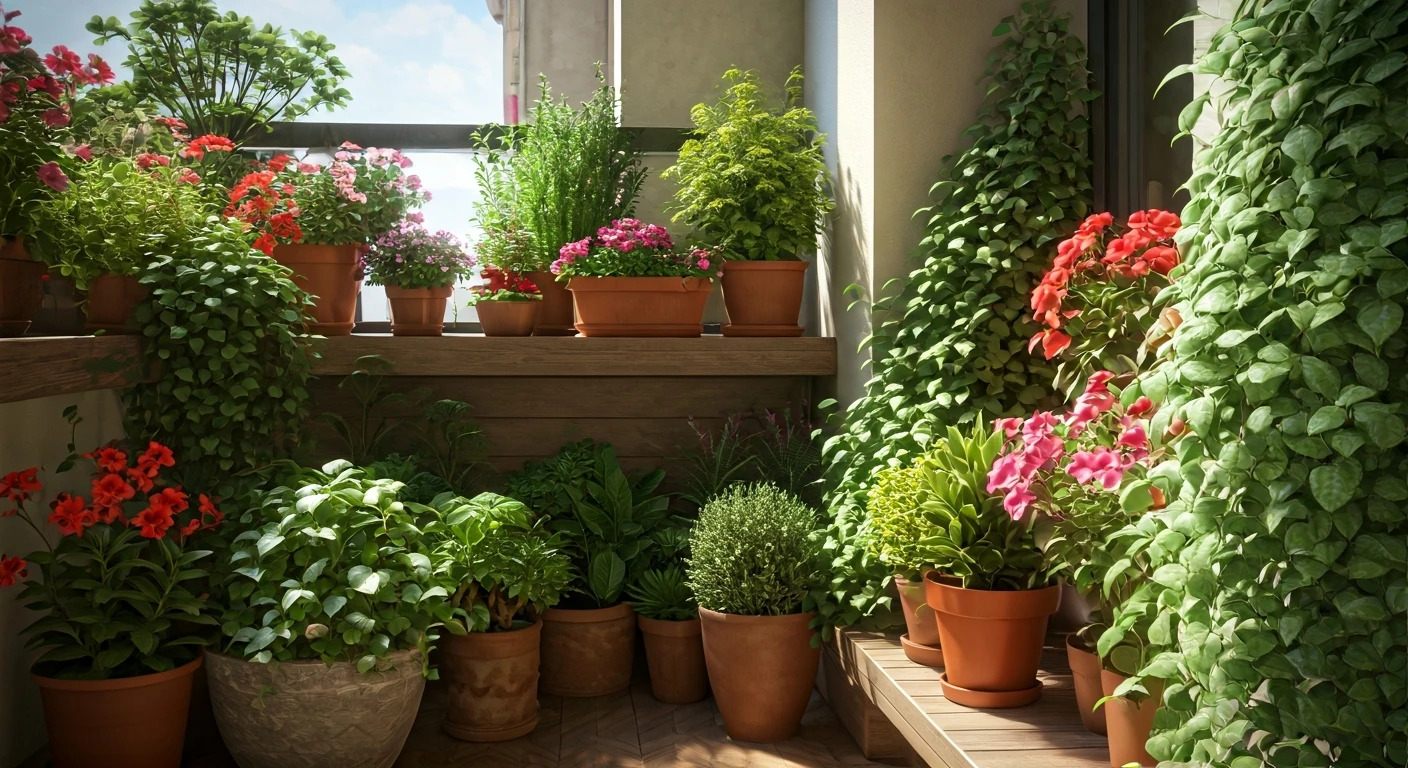
The rainy season is an excellent time for growing a variety of vegetables. Okra (Bhindi), various gourds like bottle gourd (lauki) and bitter gourd (karela), beans, and cucumbers thrive in the moist conditions. Many of these can be easily grown in containers on a balcony, provided they get enough sunlight. Tomatoes and chillies also do well, producing a fresh supply for your kitchen. It is best to start sowing seeds for many of these vegetables between June and July.
Essential Monsoon Gardening Care
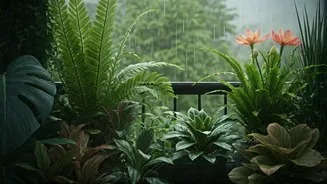
While the rain is a blessing, it also brings challenges. The most critical rule for monsoon gardening is ensuring proper drainage. Use pots with drainage holes and consider adding a layer of gravel at the bottom. For garden beds, raising them slightly can prevent waterlogging. Overwatering is a common mistake; on days with heavy rain, your plants won't need any extra water. The high humidity also creates a perfect breeding ground for fungal diseases and pests like slugs and snails. Ensure good air circulation by not overcrowding plants and prune them regularly. A preventive spray of neem oil every couple of weeks can help manage pests organically.