

Why Monsoon is a Danger Zone for Food
The magic of the monsoon—cool air, high humidity, and pleasant temperatures—is also the perfect recipe for microbial growth. Bacteria, mould, and fungi thrive in damp, warm environments. While a kitchen counter might seem safe, the increased moisture
in the air during the rainy season dramatically shortens the time food can be left out before it becomes a hazard. This combination of heat and humidity creates ideal conditions for pathogens like E. coli, Salmonella, and Staphylococcus aureus to multiply rapidly on cooked food.
The Food Safety 'Danger Zone'
Food safety experts refer to the temperature range between 40°F (about 4°C) and 140°F (60°C) as the "Danger Zone". Within this range, harmful bacteria can double in number in as little as 20 minutes. During the monsoon, ambient room temperatures often fall squarely within this danger zone. The standard advice is to never leave perishable food out for more than two hours. However, when temperatures are high, as they often are in India even during the rains, this window shrinks to just one hour.
Foods at Highest Risk in Indian Kitchens
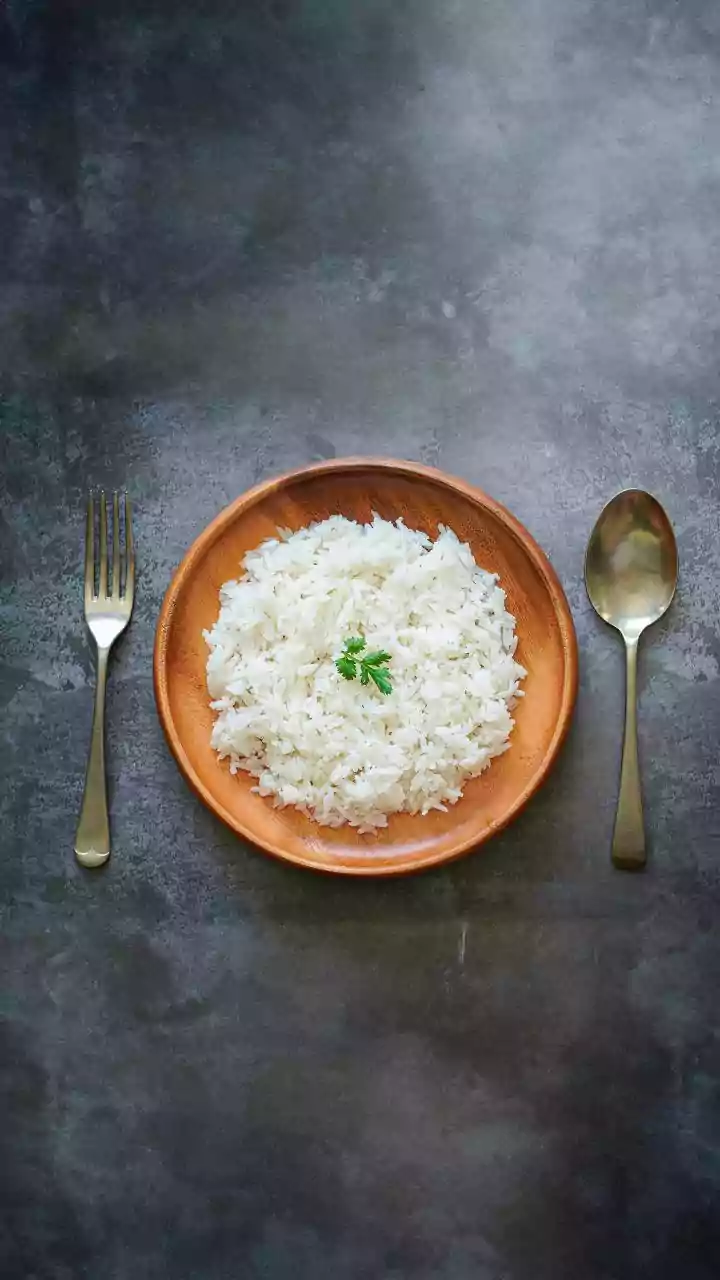
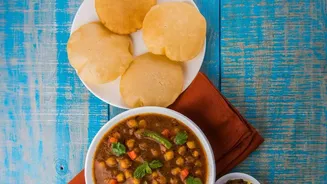
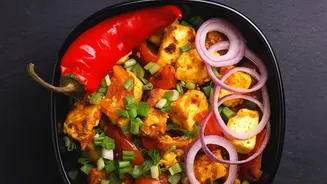
Certain popular Indian dishes are particularly vulnerable. Cooked rice and dals, which have high moisture content, are prime targets for bacterial growth. Curries made with coconut, dairy, or paneer can spoil very quickly. Even seemingly harmless items like leftover dough, cut fruits, and raw chutneys can become contaminated when left exposed. Fried snacks like pakoras or samosas, while tempting, can also become risky if they are not fresh and have been sitting out, absorbing moisture and attracting microbes.
Smart Storage: Your Best Defence
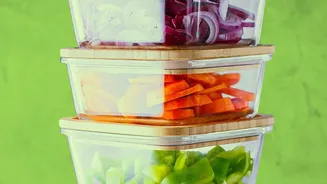
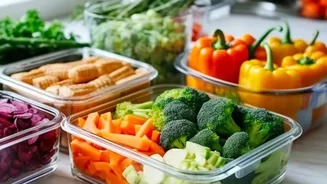
Proper storage is your most powerful tool against monsoon food poisoning. The first rule is to refrigerate leftovers promptly. Don't wait for food to cool down completely on the counter; this extends its time in the danger zone. Once food stops steaming, transfer it into shallow, airtight containers and place it in the fridge. Dividing large portions, like a big pot of biryani or curry, into smaller containers helps them cool down faster and more safely. Also, ensure your refrigerator is set to 40°F (4°C) or below to effectively slow down bacterial growth.
Reheating Isn't a Magic Bullet
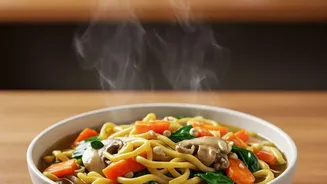
Many people believe that thoroughly reheating food will make it safe to eat, but this is a dangerous misconception. While heating to a high temperature (at least 165°F or 74°C) can kill active bacteria, it cannot eliminate the heat-stable toxins that some bacteria produce while growing on the food. These toxins, produced by bacteria like Staphylococcus aureus, can cause vomiting, diarrhoea, and stomach cramps even after the bacteria themselves are dead. Therefore, if food has been left out for too long, reheating it is not a guarantee of safety. The safest policy is: when in doubt, throw it out.
Simple Habits for a Safer Monsoon
Beyond storage, a few simple habits can make a big difference. Wash your hands thoroughly before preparing or handling food. Use separate cutting boards for raw meats and vegetables to avoid cross-contamination. Be extra cautious with raw foods like salads and chutneys, which are common sources of infection during this season. Opt for freshly cooked, hot meals whenever possible, as both Ayurveda and modern science agree this is safest, especially when digestion can be weaker during the monsoon.