





The Pressure of the Perfect Post
We’ve all been there. You're scrolling through Instagram and see a friend, or an influencer, on a stunning, sun-drenched beach in Goa or the Andamans. Suddenly, your own routine feels dull, and a powerful urge to book a similar trip takes hold. This is 'travel
FOMO'—the anxiety that others are having more rewarding experiences than you are. This feeling, amplified by perfectly curated social media posts, can push us into making impulsive travel decisions. The problem is that these snapshots rarely show the reality of a trip: the crowds, the pre-monsoon heat, or the disappointingly closed beach shacks during the off-season. Chasing a picture often means we forget to plan for the reality.
Why Forecasts Matter More Than Filters
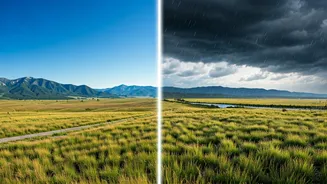
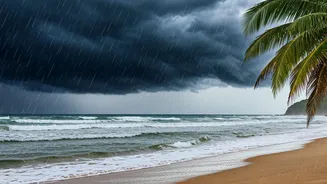
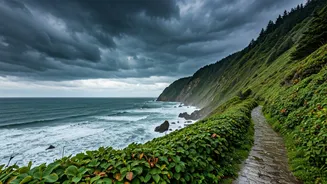
Along India’s vast coastline, reality can be harsh, especially during the monsoon season which lasts from June to September. What looks like a dramatic, cloudy sky in a photo can be a signal of dangerous weather. Heavy rainfall, particularly in coastal Karnataka, Maharashtra, and West Bengal, can lead to waterlogging and travel disruptions. But the bigger dangers lie in the water. The monsoon brings rough seas, high waves, and powerful rip currents, which can turn a casual swim into a life-threatening situation. In places like Goa, red flags are put up on beaches to indicate that entering the water is unsafe, and many water sports are suspended entirely. Ignoring these conditions is a risk not worth taking.
Your Essential Forecast Toolkit
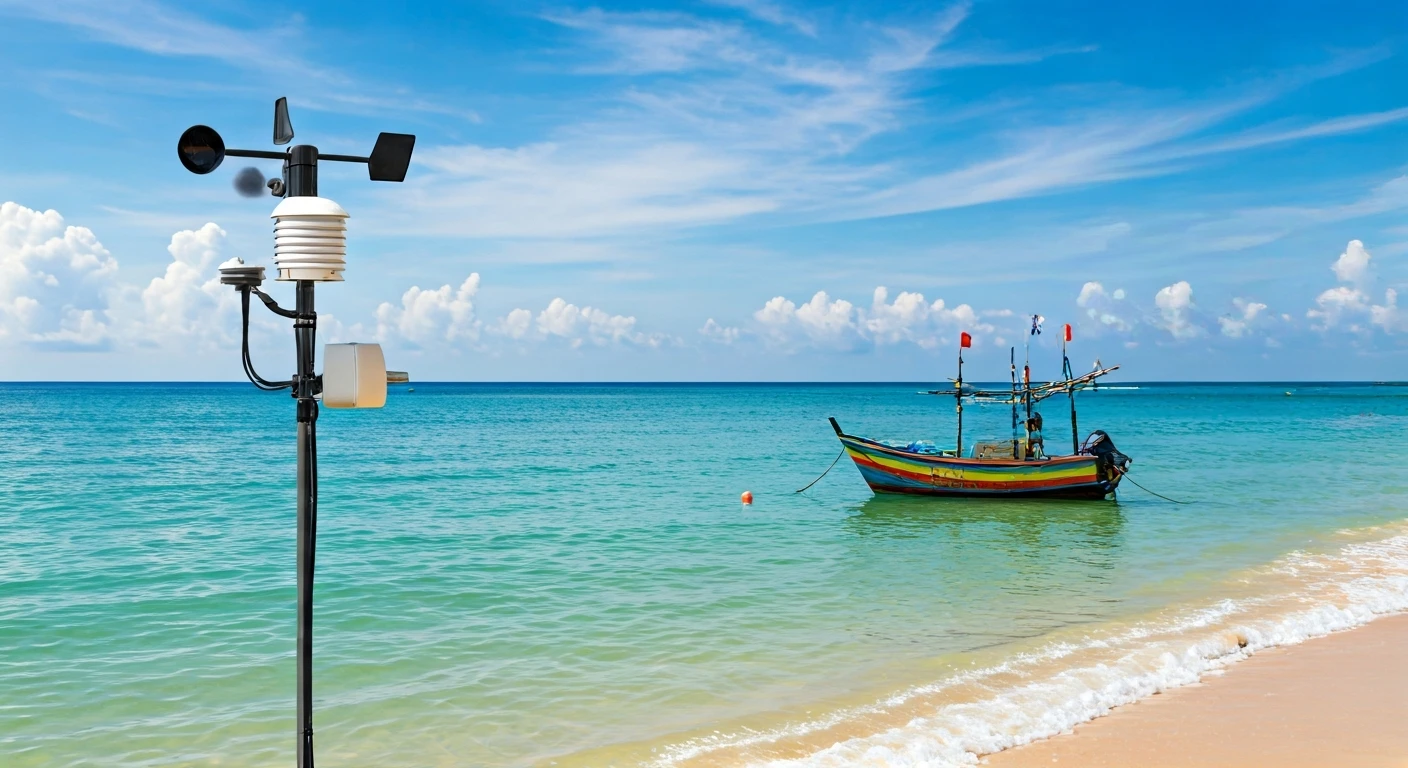
So, how do you plan a smarter trip? By turning to the experts. India has official agencies that provide crucial, life-saving information. The India Meteorological Department (IMD) is your go-to for all weather-related forecasts. They issue alerts for heavy rain, thunderstorms, and cyclones, often with district-level detail. For ocean-specific dangers, the Indian National Centre for Ocean Information Services (INCOIS) is indispensable. INCOIS provides warnings about high waves, storm surges, and even potential tsunami threats. They have also started a project to forecast rip currents, one of the biggest hidden dangers on beaches. You can access their bulletins and advisories through their websites and mobile apps like 'Mausam' (for IMD) and 'Samudra' (for INCOIS).
Decoding the Advisories
Understanding the alerts is key. The IMD uses a colour-coded system. A 'Yellow' alert means be aware, 'Orange' means be prepared for worsening conditions, and a 'Red' alert is a warning to take action to protect yourself. When you see an 'Orange' or 'Red' alert for your coastal destination, it might mean planning indoor activities or even postponing your trip. For ocean safety, an INCOIS high wave alert means staying away from the water's edge and avoiding activities like swimming or boating. Rip current warnings highlight specific areas where strong channels of water can pull swimmers out to sea. Remember, these currents don't pull you under, but away from shore. Respecting these warnings is the most important part of your travel plan.
The Joy of a Mindful Getaway
Trading FOMO for forecasts doesn’t mean giving up on spontaneity; it means empowering yourself to have a genuinely good time. A well-planned trip is a relaxed trip. Knowing the weather allows you to pack appropriately—light cottons for the heat, and a backup plan for rainy days. Understanding the tides and currents helps you choose the safest times and spots for a swim. It also encourages a different kind of travel—one that’s more in sync with the local environment. Talk to fishermen, chat with guesthouse owners, and pay attention to local advisories. This deeper engagement often leads to far more memorable experiences than just recreating a photo. The ultimate luxury on a holiday is peace of mind, knowing you've made smart choices that keep you and your loved ones safe.