



1. Black Garlic: The Umami Powerhouse
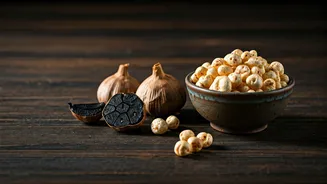
If you see a jar of black garlic and assume it’s a strange, exotic variety, you’re not alone. But black garlic isn’t grown; it’s made. It’s the result of regular garlic heads being held at a low temperature and high humidity for several weeks. This slow,
gentle process, known as the Maillard reaction, transforms the sharp, pungent cloves into something entirely new: soft, jet-black, and shockingly delicious. The flavour is a world away from raw or even roasted garlic. Think of the rich, sweet notes of balsamic glaze, the subtle earthiness of black truffle, and the deep, savoury complexity of soy sauce, all rolled into one. It’s pure umami. Because it’s soft and spreadable, its uses are endless. Mash a few cloves with butter and spread it on hot toast for an instant gourmet snack. Whisk it into vinaigrettes to give your salads a surprising depth. Blend it into mayonnaise for an incredible dip for fries or sandwiches. You can also chop it up and toss it with pasta, roasted vegetables, or use it in a marinade for chicken or paneer. It adds a background note of sophisticated flavour that will have everyone asking for your secret.
2. Makhana: Beyond the Snack Bowl
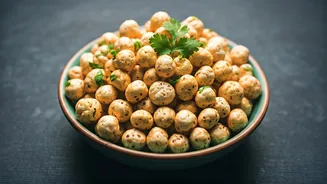
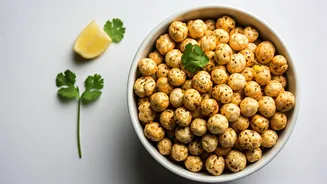
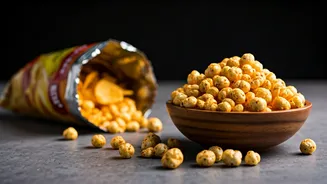
Many of us know makhana, or fox nuts, as a light, crunchy, and healthy snack. Roasted and lightly salted, they are a fantastic alternative to popcorn. But to leave them in the snack bowl is to miss their true potential. Makhana’s greatest strength is its chameleon-like ability to absorb flavours while providing a wonderful texture that ranges from crisp to satisfyingly chewy. Think of makhana as a healthier, gluten-free alternative to croutons, paneer, or even potatoes in certain dishes. Try this: instead of paneer, add a cup of roasted makhana to your favourite matar curry or palak gravy for the last 5-7 minutes of cooking. They will soften slightly, absorb the spiced sauce, and add a delightful, tender bite. You can also toss them with roasted vegetables like broccoli and sweet potatoes, where they add a much-needed textural contrast. For a more advanced application, try grinding roasted makhana into a fine powder. This can be used as a gluten-free thickener for soups and gravies or as a base for sweets like kheer and barfi, giving them a unique, creamy consistency without the heaviness of other flours or grains.
3. Tamarind Concentrate: Tangy, Convenient Flavour
Tamarind is the soul of countless Indian dishes, providing that essential sweet-sour tang. But preparing it from a dried block can be a chore—soaking, squeezing, and straining feels like a step too many on a busy weeknight. This is where high-quality tamarind concentrate (or paste) comes in as a game-changer. It’s not a compromise; it’s an upgrade in convenience and consistency. While essential for staples like sambar, rasam, and various chutneys, its application goes much further. A teaspoon of tamarind concentrate can brighten up a simple dal tadka, balance the sweetness in a marinade for grilled fish or chicken, or add a complex sour note to a vegetable stir-fry. It’s a key ingredient in global cuisines, too. You can’t make an authentic Pad Thai without it, and it features heavily in many Southeast Asian and Latin American sauces. A bottle in your fridge means you’re always just a spoonful away from adding a layer of bright, zesty flavour that cuts through richness and makes every bite more interesting. Just remember that a little goes a long way, so start small and taste as you go.