

The Rise of the Desi Bento
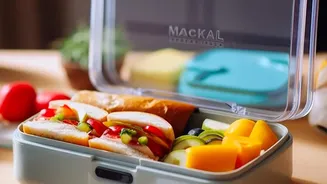
Scroll through social media and you’ll see it: perfectly portioned compartments filled not with sushi and edamame, but with paneer tikka, vegetable pulao, and little pots of raita. The Japanese bento box, a centuries-old tradition of packing single-portion
meals, has found a new and enthusiastic audience in India. Originally designed for balance and visual appeal, the bento concept is now being creatively adapted to hold everything from mini uttapams to channa masala wraps. This isn't just about a new lunchbox; it's a cultural fusion that reflects a shift in how urban Indians are thinking about their daily meals.
More Than Just a Pretty Box
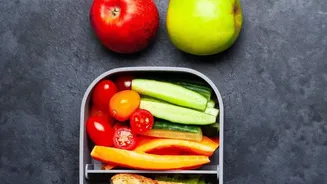
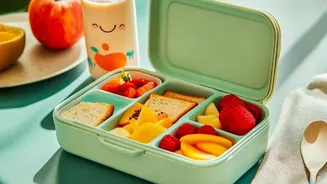
So, why the sudden move away from the traditional, stacked steel tiffin? The appeal of the bento lies in a few key modern needs. Firstly, aesthetics play a huge role. In an age of Instagrammable food, the neat, colourful, and organized layout of a bento is immensely satisfying. Secondly, it’s about portion control and balance. The small, separate compartments encourage a variety of foods in moderation—a little bit of sabzi, a portion of rice, a side of salad, and perhaps some fruit—all in one place without mixing. This is particularly appealing to health-conscious individuals looking to manage their diet. The mess-free, compact design is also a perfect fit for today's hybrid work models and busy schedules.
Reimagining the Indian Meal
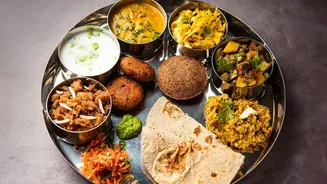
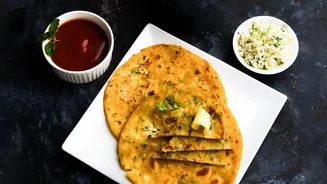
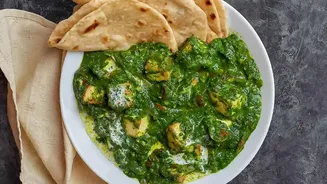
Packing an Indian meal into a rectangular box comes with its own creative challenges, and users have found ingenious solutions. Roti or paratha can be rolled up and sliced like a wrap, while semi-liquid dishes like dal or curries are placed in small, leak-proof silicone cups within the compartments. The format inspires a 'mini thali' approach. One compartment might hold jeera rice, another some palak paneer, a third a small salad, and the last a sweet treat. People are getting creative with everything from mini masala dosas and idli bites to protein-packed rajma salads and quinoa pulao, proving that virtually any Indian dish can be 'bento-fied' with a little imagination.
Tiffin vs. Bento: A Cultural Update
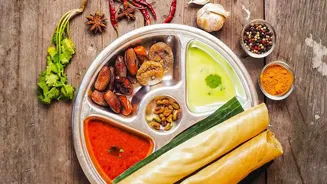
The steel tiffin, or 'dabba', is an icon of Indian culture, synonymous with the comfort of a home-cooked meal and the legendary dabbawalas of Mumbai. It’s built for durability and generosity, designed to carry hearty, soulful meals. The bento box doesn't seek to replace this emotional connection but rather offers a modern alternative built for a different set of priorities: variety, presentation, and mindful eating. While the tiffin is about the warmth and abundance of home, the bento is about curation and personal expression. It reflects a global curiosity and a desire to blend international trends with the familiar flavours of Indian cuisine.