

Why Breathing Feels Difficult
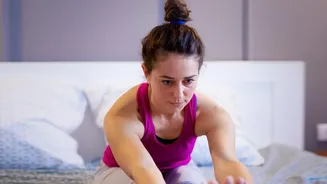
The primary challenge in Paschimottanasana is physical compression. As you fold your torso over your legs, your abdomen and diaphragm have less room to move. This can lead to shallow, restricted breathing or even the subconscious habit of holding the breath,
which creates tension and works against the goal of the pose. The natural response to this discomfort is to force the movement, often by rounding the back and pulling with the arms, which further compresses the chest and makes breathing even harder. Understanding this mechanical limitation is the first step to overcoming it. The goal isn't to ignore the compression but to work with it intelligently.
The Core Principle: Exhale to Fold
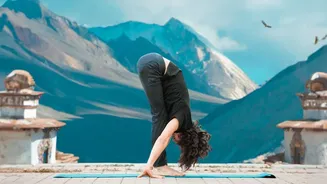
The golden rule for all forward folds is to use your exhalation to deepen the pose. Start by sitting tall in Dandasana (Staff Pose), with your legs extended and spine long. On an inhalation, focus on creating length, lifting your chest and extending from your pelvis through the crown of your head. As you exhale, initiate the fold from your hips, not your waist. The exhalation naturally softens the abdominal muscles and creates a small amount of extra space, allowing your torso to release forward. Think of it as a rhythm: inhale to lengthen, exhale to surrender deeper into the stretch. This synergy of breath and movement is key.
Maintaining Breath While Holding the Pose
Once you've found your comfortable edge in the fold, the work isn't over. Avoid holding your breath, which signals to your nervous system that you are under stress and causes muscles to tighten. Instead, maintain a steady, calm rhythm of breathing. With each inhale, you might feel a slight lift or a sense of lengthening in your spine. With each exhale, focus on releasing any tension you might be holding in your hamstrings, lower back, shoulders, or neck. This continuous, mindful breathing activates the parasympathetic nervous system, which promotes relaxation and allows your body to open up naturally rather than through force. For a more restorative hold, you can stay in the pose for up to three minutes, letting your breath be your guide.
Common Breathing Mistakes to Avoid
Several common errors can hinder your practice. The most frequent is holding the breath, especially when the stretch feels intense. Another is taking shallow, rapid breaths from the chest instead of deep, diaphragmatic ones. This creates anxiety and tension. Also, avoid using your exhale as a command to aggressively pull yourself deeper into the pose. Your hands should provide light support on your shins, ankles, or feet, not act as levers to force your body down. The moment your breath becomes strained or feels difficult, you've gone too far. Back off slightly until you can breathe with ease again.
Modifications for Better Breathing
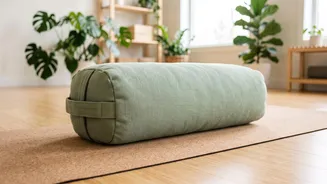
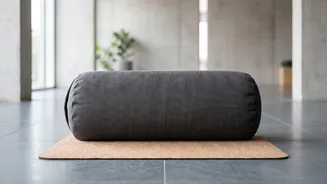
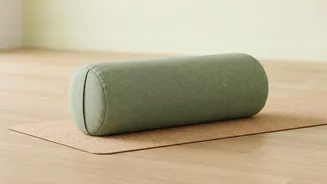
If you struggle to breathe comfortably, modifications can make a world of difference. Sitting on the edge of a folded blanket or cushion is the most effective adjustment. This elevates your hips, tilting the pelvis forward and making it easier to hinge from the hips with a long spine, which creates more space for your diaphragm. If tight hamstrings are forcing your back to round, keep a soft bend in your knees. This releases tension in the lower back and hamstrings, allowing for a more accessible and comfortable forward fold. You can also use a yoga strap looped around your feet, holding it with both hands to maintain a long chest and open torso as you fold, preventing the chest from collapsing.