







Why Protein is a Hot Ticket
There’s a reason protein is the star macronutrient of the moment. It's essential for building and repairing tissues, supporting your immune system, and creating hormones. When it comes to snacking, its main superpower is satiety—the feeling of fullness.
Protein digests more slowly than carbohydrates, which helps keep hunger at bay and can prevent you from overeating later. For those looking to manage weight or build muscle, a well-timed protein snack can be a game-changer, helping to maintain muscle mass even during a calorie deficit and keeping energy levels stable between meals. An average adult generally needs around 0.8 grams of protein per kilogram of body weight daily, though this can increase depending on age and activity level.
The Ultra-Processed Problem
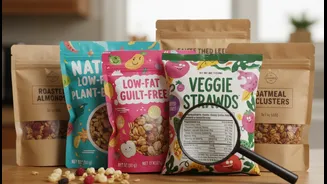
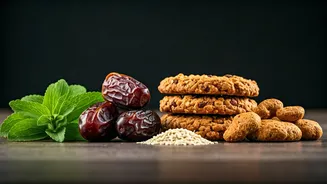
That 'high-protein' label can act as a health halo, making us believe a product is healthier than it really is. Many popular protein snacks are ultra-processed foods, loaded with ingredients that undermine their nutritional claims. Some protein bars, for instance, contain more sugar than a candy bar. To mask this, companies often use sugar alcohols, which can cause digestive issues like bloating for some people. Furthermore, many of these snacks use cheap, inflammatory oils, artificial fillers, and long lists of chemical ingredients. A study of processed foods with protein claims found that more than half were also high in sodium or fat. The protein itself is often a highly processed isolate, stripped of the fibre, vitamins, and minerals found in its original whole-food source.
How to Read the Label Like a Pro
To avoid the marketing traps, you need to become a label detective. First, check the protein content. A good snack should have at least 10-15 grams of protein. If it's a 250-calorie bar with only 5 grams of protein, it's not an effective protein snack. Next, look at the sugar. Aim for less than 8-10 grams of added sugar per serving. Fibre is another crucial element for feeling full; look for at least 3-5 grams. The ingredient list is perhaps the most telling part. Ingredients are listed by weight, so the first few make up the bulk of the product. If sugar, syrups, or unpronounceable chemicals are at the top, it’s a red flag. Look for short ingredient lists with recognizable whole foods like nuts, seeds, and oats.
Timing and Purpose Matter
A protein snack isn't always necessary. Its main purpose is to bridge long gaps between meals, prevent afternoon energy slumps, or aid in post-workout recovery. Consuming a protein-rich snack within two hours of a workout can help with muscle repair and growth. However, protein snacks should not consistently replace whole-food meals. While convenient, they often lack the complete nutritional profile of a balanced meal. If you find yourself constantly reaching for a protein bar because you're hungry, it might be a sign that your main meals aren't substantial enough. Think of them as a strategic tool in your nutritional toolkit, not a free pass to be eaten anytime.
Smarter, Whole-Food Alternatives
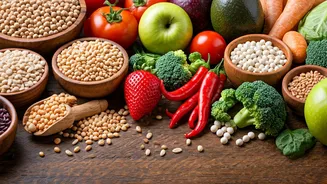
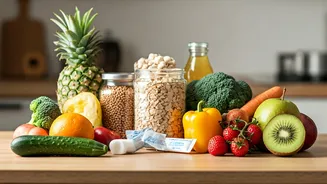
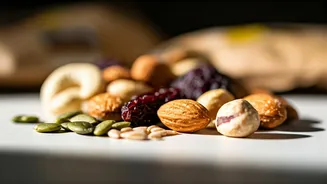
While processed snacks offer convenience, whole foods are always the superior choice for nutrition. They provide protein in its natural state, complete with fibre, healthy fats, vitamins, and minerals. Many simple, affordable options are just as convenient. A handful of almonds, a hard-boiled egg, or a cup of Greek yogurt can provide a significant protein boost. Roasted chickpeas (chana), paneer cubes, and edamame are other excellent choices. Even a simple snack like an apple with a spoonful of peanut butter combines protein, fibre, and healthy fats to keep you satisfied. These options give you the benefits of protein without the hidden sugars and artificial ingredients common in packaged goods.