





The Winter Action Plan Is Here
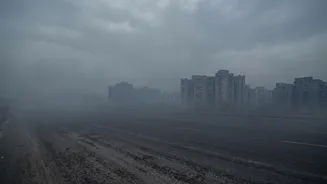
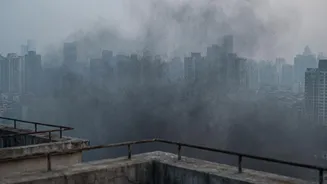
Every year, as temperatures drop, Delhi's air becomes a thick, toxic soup. A combination of factors, including farm fires, lower wind speeds, and festive fireworks, contributes to this public health crisis. To combat this, authorities implement a 'Winter
Action Plan', a series of emergency measures designed to curb pollution. For drivers, this plan is critical. It dictates which cars can enter the city, when they can drive, and what documents they must carry. These rules are not static; they change based on the severity of the pollution, often with little notice, making it essential for commuters from outside Delhi to stay alert.
A Firm Ban on Older Vehicles
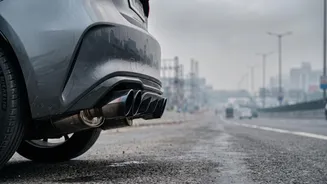
One of the most significant rules for out-of-state drivers is the ban on vehicles that don't meet the Bharat Stage VI (BS-VI) emission standard. From November 1, 2026, to January 31, 2027, commercial and private vehicles registered outside Delhi that are not BS-VI compliant will be barred from entering the city. This specifically targets older, more polluting cars. Vehicles powered by CNG or electricity are exempt from this ban. Drivers of diesel vehicles older than 10 years and petrol vehicles older than 15 years already face restrictions in Delhi, and these are enforced even more strictly during the winter months. Before starting a journey into Delhi, it is crucial to check your vehicle's emission standard and registration details to avoid being turned away at the border or facing heavy penalties.
Understanding the GRAP Framework
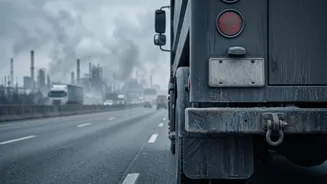
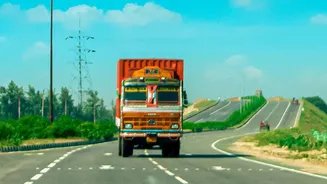
The entire system of pollution control is governed by the Graded Response Action Plan (GRAP). This is a set of emergency measures that activate incrementally as the Air Quality Index (AQI) worsens. As of October 21, 2026, Delhi is already under Stage I, triggered when the AQI enters the 'Poor' category (201-300). While Stage I primarily focuses on dust control and banning open waste burning, it also includes stricter enforcement against visibly polluting vehicles. As pollution rises to 'Very Poor' (Stage II), 'Severe' (Stage III), and 'Severe+' (Stage IV), the restrictions escalate dramatically. Stage III can trigger a ban on BS-III petrol and BS-IV diesel light motor vehicles. Stage IV could halt the entry of most trucks into Delhi and may even bring back the odd-even car rationing scheme. The key takeaway is that the rules are dynamic and cumulative; when a higher stage is invoked, the rules from all lower stages also apply.
No Fuel Without a Valid PUC
Another crucial rule is the 'No PUC, No Fuel' policy. To ensure compliance with emission standards, fuel stations across Delhi are prohibited from selling petrol, diesel, or CNG to any vehicle that does not have a valid Pollution Under Control Certificate (PUCC). Checks for PUCCs become much more frequent and stringent during the pollution season. This applies to all vehicles, regardless of where they are registered. For drivers coming from outside Delhi, ensuring your PUCC is up-to-date is a simple but non-negotiable step to avoid being stranded without fuel.
How to Stay Informed and Compliant
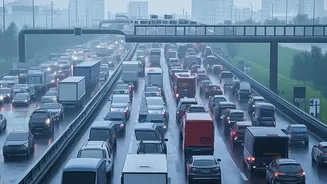
Given that these rules can be announced and implemented overnight, staying informed is your best defence. The Commission for Air Quality Management (CAQM) and Delhi Traffic Police regularly post updates on their official websites and social media handles. Reliable news apps and websites are also essential for real-time information. Beyond monitoring the news, practical steps can save you headaches. Consider using public transport like the Delhi Metro, which often increases its service frequency during high-pollution periods. Carpooling is another excellent option. If driving is unavoidable, start your journey with the assumption that rules might have changed since the previous day. A quick check before you leave home can save you from fines, impoundment, or being forced to turn back at the Delhi border.