



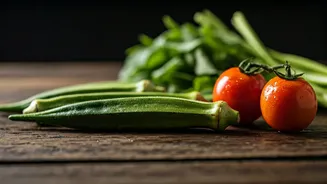


The Unbeatable Bhindi (Okra)
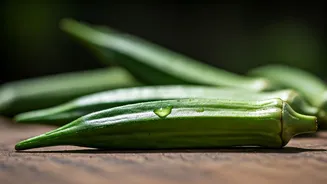
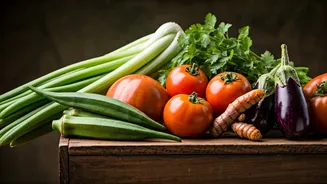
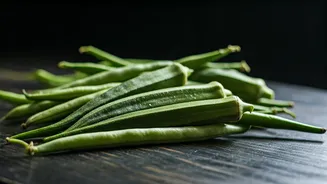
A staple in Indian households, bhindi (or okra) is at its most tender and flavourful during the rainy season. This humble vegetable is a powerhouse of nutrients, packed with fibre, Vitamin C, and Vitamin K. Its high fibre content aids digestion, which
can often be sluggish during the monsoon. The key to perfect bhindi is to wash it and let it dry completely before chopping to avoid the characteristic sliminess. A simple and classic preparation is 'bhindi fry' or 'kurkuri bhindi', where it's thinly sliced, tossed with spices like turmeric and amchur (dry mango powder), and pan-fried until crisp. It also works beautifully in a simple stir-fry with onions and tomatoes or stuffed with a spice mix for an elevated dish.
Versatile Beans and Legumes
The monsoon brings an abundance of beans. From the long and slender French beans to the broader cluster beans (gawar phali) and cowpeas (lobia), these vegetables are incredibly versatile and nutritious. Rich in protein, fibre, and essential minerals, they are excellent for maintaining energy levels and supporting overall health. French beans are fantastic when lightly steamed and tossed with garlic and a squeeze of lemon. Gawar phali, with its slightly bitter note, pairs wonderfully with potatoes in a dry sabzi seasoned with carom seeds (ajwain) and asafoetida (hing), which also help in digestion. These vegetables add a wonderful texture and freshness to any meal, be it a simple side dish or a component in a mixed vegetable curry.
The Gourd Family Takes Over
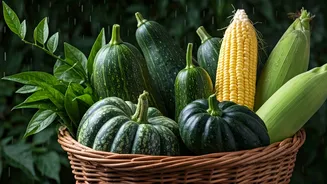
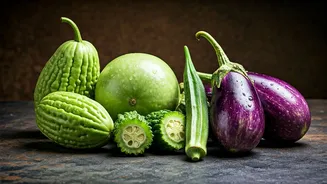
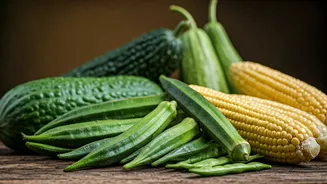
If there's one family of vegetables that defines monsoon cooking, it's the gourds. Bottle gourd (lauki), ridge gourd (tori), pointed gourd (parwal), and snake gourd (chichinda) are all at their peak. These vegetables are high in water content and extremely easy to digest, making them ideal for the humid season when our digestive system can be sensitive. They are low in calories but rich in vitamins and minerals. Lauki is famously used in kofta curries or simple, soupy sabzis that are light on the stomach. Tori can be cooked into a delicious gravy with poppy seeds (posto) or simply stir-fried with minimal spices. Parwal is often stuffed or fried to a crisp, offering a delightful texture. Don't be afraid to experiment; their mild flavours make them a perfect canvas for various spices.
Golden Sweet Corn (Bhutta)
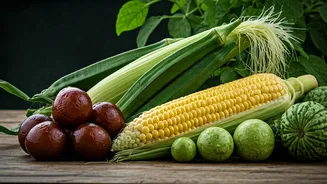
The sight and smell of roasted bhutta (corn on the cob) are synonymous with the Indian monsoon. Sold by street vendors on rainy evenings, it's a nostalgic and delicious snack. But corn is more than just a streetside treat. It's a good source of carbohydrates for energy and contains antioxidants. During this season, corn is incredibly sweet and juicy. At home, you can enjoy it boiled and sprinkled with salt and butter, or roast it over an open flame and rub it with a mix of salt, chilli powder, and lime juice for that authentic flavour. Corn kernels can also be added to salads, soups, and sabzis for a pop of sweetness and texture.
The Humble Root Vegetables
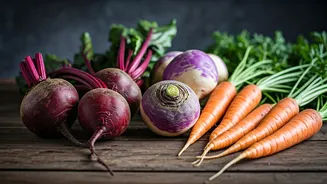
While not as glamorous as other seasonal produce, root vegetables like potatoes, sweet potatoes (shakarkandi), and arbi (colocasia root) are monsoon essentials. They are comforting, filling, and provide sustained energy. The rainy season is a great time to enjoy them, as they store well and are less prone to spoilage in the damp weather. A simple potato and pea curry is classic comfort food for a rainy day. Sweet potatoes can be roasted and eaten as a healthy snack, offering a good dose of Vitamin A and fibre. Arbi, when prepared carefully (it needs to be cooked well), can be made into a delicious, crisp fry or a tangy curry.
A Word on Leafy Greens
While many advise caution with leafy greens during monsoon due to the mud and potential for germs, some varieties thrive and are safe to eat with proper cleaning. Spinach (palak) and fenugreek (methi) are available, but it's crucial to wash them thoroughly. A good practice is to soak them in a bowl of water with a bit of salt or vinegar for a few minutes, then rinse them under running water. Once cleaned, they are a fantastic source of iron and vitamins. A warm bowl of palak dal or methi thepla can be incredibly nourishing and satisfying during a downpour. Always ensure you cook them well rather than consuming them raw in salads during this season.