


From Bean to Bar
For decades, chocolate in India was synonymous with sweet, milky confections from large corporations. The origin of the cacao beans was an afterthought. Now, a growing movement is championing a philosophy known as "bean-to-bar" and "tree-to-bar." This
approach places the focus squarely on the raw ingredient: the cacao bean. Much like single-origin coffee or wine, single-origin chocolate is made from beans harvested in one specific region, farm, or estate. This allows the unique flavours of that particular 'terroir'—the soil, climate, and environment—to shine through, resulting in complex notes that can range from fruity and floral to nutty and spicy. By controlling every step of the process, from sourcing the beans to roasting, grinding, and tempering, these artisans have complete oversight of the quality and flavour profile of their final product.
India's Cacao Heartland
South India provides the perfect backdrop for this movement. The tropical climate and fertile hills of states like Kerala, Tamil Nadu, Karnataka, and Andhra Pradesh are ideal for cacao cultivation. Regions like the Idukki district in Kerala and the Godavari region in Andhra Pradesh are becoming particularly renowned for producing high-quality cacao. Cacao is often grown as an intercrop alongside coconut, spices like pepper, and areca nut, which can subtly influence the flavour of the beans, adding to their unique character. This direct access to quality raw material has enabled chocolatiers to build relationships with farmers, ensuring fair compensation and promoting sustainable agricultural practices that prioritize quality over sheer volume.
The New Wave of Chocolatiers
A number of pioneering brands are leading this charge. Mason & Co, based in Auroville, is known for its organic, vegan, and ethically sourced chocolates. In Tamil Nadu, Soklet operates as a "tree-to-bar" maker, managing the entire process from its own cacao plantations in the Anamalai foothills. Kerala-based Paul and Mike are celebrated for infusing their fine flavour chocolates with unique Indian fruits and spices. Meanwhile, Manam Chocolate, working with farmers in the West Godavari region, is on a mission to create a distinct identity for Indian craft chocolate, even naming some of its bars after the farmers who grew the beans. These are not just businesses; they are passionate projects driven by a desire to showcase the untapped potential of Indian cacao on a global stage.
More Than Just a Chocolate Bar
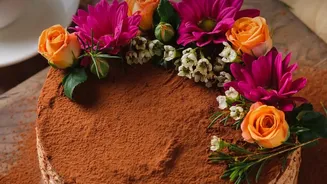
The result of this meticulous process is an array of high-end dessert creations that go far beyond simple bars. The chocolates themselves are complex, designed to be savoured. But the trend extends into the culinary world, with chefs and patissiers using this high-quality Indian chocolate to create sophisticated desserts. You might find delicate dark chocolate mousse cups topped with saffron and pistachio, or modern takes on traditional Indian sweets like chocolate barfi and gulab jamun with a molten chocolate centre. Some chocolatiers are even reinterpreting classic Indian flavours, creating bonbons infused with masala chai, cardamom, or even Teja chilli. These creations are not just about taste but about telling a story—of the land, the farmer, and the artisan.