






First, What Is Japandi?
At its heart, Japandi is not just a style but a philosophy. It’s a design portmanteau, merging the rustic minimalism of Japanese interiors with the clean, modern functionality of Scandinavian design. Imagine the Japanese concept of ‘wabi-sabi’—finding
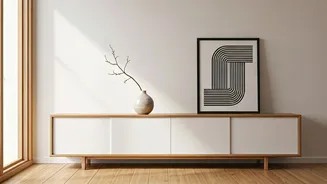
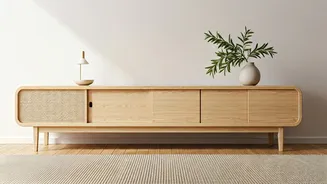
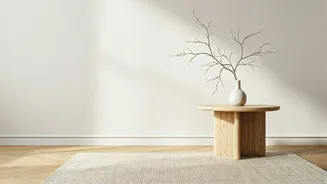
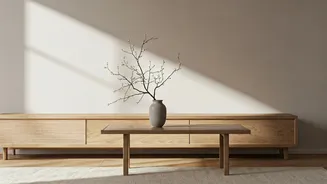
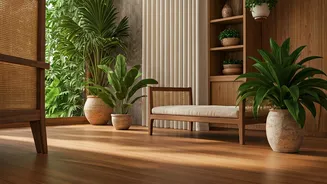
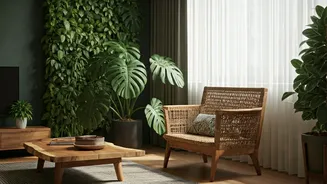
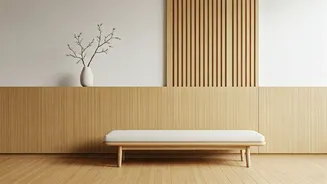
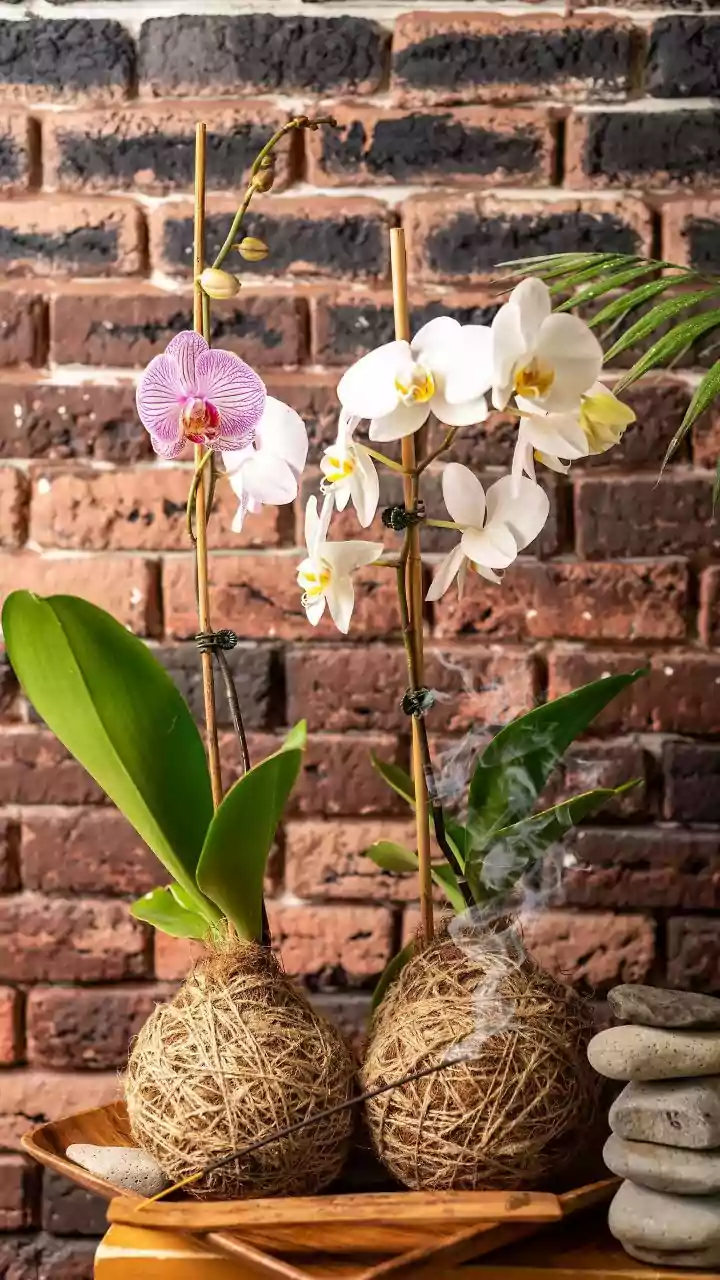
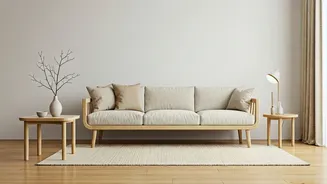
beauty in imperfection and impermanence—shaking hands with the Scandinavian idea of ‘hygge,’ which embodies coziness, contentment, and well-being. The result is a look that feels both sophisticated and deeply calming. Visually, Japandi translates into a few key elements. You’ll see neutral, earthy color palettes—think beige, cream, taupe, and soft grays—accented with muted greens or blacks. Natural materials are paramount: light-stained oak, bamboo, rattan, linen, and textured ceramics abound. Furniture features clean lines and an emphasis on craftsmanship, but without feeling cold or sterile. The goal isn't emptiness but intentionality; every object has a purpose and a place, creating a space that feels curated, serene, and effortlessly elegant.
The Appeal in Urban India
The rise of Japandi in India isn't random; it's a direct response to the realities of modern urban life. For millions living in bustling, high-density metropolises like Mumbai, Delhi, and Bangalore, the home has become a critical sanctuary. The sensory overload of city life—the noise, the crowds, the constant motion—has fueled a deep-seated desire for a tranquil domestic escape. Japandi’s uncluttered, nature-inspired ethos offers a powerful visual and psychological antidote. It promises a space where one can decompress and disconnect. This trend is particularly strong among urban millennials and Gen Z, a demographic that is globally connected and digitally native. They are exposed to international trends and increasingly prioritize wellness and mental clarity. For this generation, a home’s design is an extension of their personal values. The choice of a minimalist, sustainable aesthetic like Japandi over more traditionally ornate styles is a statement about preferring simplicity, mindfulness, and conscious consumerism.
An Evolution, Not a Rejection
Some might see the embrace of a minimalist, foreign aesthetic as a rejection of India’s rich design heritage, known for its vibrant colors, intricate patterns, and heavy, carved woods. But that’s too simplistic a reading. Instead, it’s more of an evolution. Many Indian designers and homeowners are creating a unique, localized version of Japandi, integrating traditional Indian craftsmanship and materials in subtle ways. A hand-woven jute rug, a block-printed linen throw, or a few burnished brass accessories can be incorporated, grounding the minimalist space in a local context. It’s less about wholesale replacement and more about a thoughtful fusion—a modern Indian identity that is both global in its outlook and rooted in its heritage.
The Makeover Video Effect
The headline’s mention of “makeover videos” is crucial. Platforms like YouTube and Instagram are the primary engines driving this trend’s visibility. The before-and-after format is perfectly suited to showcase the transformative power of Japandi. A video can take a cluttered, dated apartment and, in a matter of minutes, reveal a serene, light-filled oasis. This visual storytelling is incredibly compelling and aspirational. These videos do more than just show a finished product; they provide a blueprint. Influencers and designers break down the process, list their sources for furniture and decor, and offer DIY tips, making the seemingly high-end look feel accessible to a wider audience. The endless scroll of perfect, peaceful rooms has created a powerful feedback loop, where digital inspiration fuels real-world renovation, which in turn becomes content for the next video.