





The Classic Reading Nook
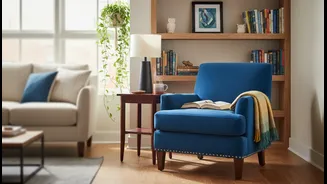
The most timeless transformation for a window space is the beloved reading nook. Bay windows are naturally suited for this, but any window with a bit of depth can work. The core component is a bench. You can opt for a freestanding bench that fits the space or go
for a custom built-in, which offers the added benefit of storage. Many DIY guides suggest building a simple frame with 2x4s and cladding it with MDF or plywood, creating a seat that can have a hinged lid or drawers for blankets and books. Once the structure is in place, comfort is key. A custom-made cushion, at least three to five inches thick, will make the space inviting. Layer it with plush pillows and a soft throw blanket to create a cosy corner you’ll want to curl up in for hours. Finally, consider lighting. While the sun provides natural light during the day, a small, stylish sconce on the wall or a slim floor lamp nearby will make your nook functional after sunset.
A Green and Leafy Sanctuary
For those with a green thumb, an unused window area is prime real estate for a thriving indoor garden. Windows provide the natural light that houseplants crave. You can turn a simple windowsill into a lush display with a curated collection of herbs, succulents, or flowering plants like African violets. To maximize the space, think vertically. Install glass or acrylic shelves directly across the windowpane to create a tiered effect without blocking too much light. Hanging planters are another excellent way to add greenery at different heights, drawing the eye upward and making the space feel more dynamic. You can hang plants from sturdy curtain rods or ceiling hooks. Grouping plants with different textures and shades of green adds depth and visual interest, turning the window into a living piece of art.
The Compact, Sunlit Workspace
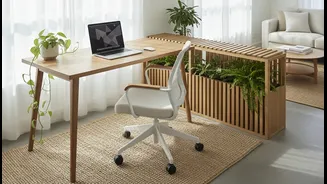
In the age of remote work, finding a dedicated office space can be a challenge. An unused window area can become a highly effective and mood-boosting workspace. Natural light is known to improve productivity and well-being. For a simple setup, install a floating shelf at desk height. This minimalist approach saves floor space and provides a clean surface for a laptop and a few essentials. If you need more storage, consider a small desk with drawers or flanking the window with narrow bookshelves. You can also place two small filing cabinets on either side of the window and lay a sturdy wooden top across them to create a semi-permanent desk. To define the zone, you could paint the wall section behind the desk a different colour. A comfortable chair and good task lighting for the evenings are the final pieces needed to complete your functional and inspiring home office.
A Mindful Morning Corner
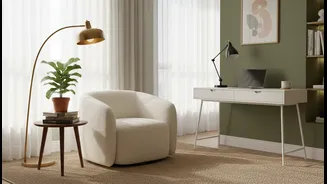
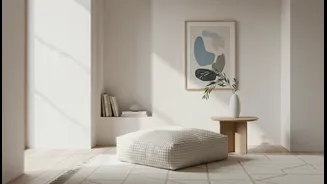
Creating a personal retreat doesn't always require a major build. Sometimes, the goal is simply to carve out a space for quiet reflection, meditation, or enjoying a morning cup of coffee. This approach is less about furniture and more about intention. Place a comfortable floor cushion or a single, elegant armchair by the window. Add a small side table just large enough for a drink, a journal, or a candle. The key is to keep the space uncluttered to promote a sense of calm and clarity. This corner becomes a designated zone for pausing, away from the demands of daily life. By dedicating a physical space to a mental practice, you make it easier to build a consistent routine of mindfulness and self-care, even if it's just for a few minutes each day.