





The Great Unwinding: A New Travel Mindset
There’s a tangible shift in the air. The post-pandemic Indian traveller is looking for more than just a vacation; they are seeking reconnection. A recent report highlights that tourism demand in India has broadened significantly beyond traditional leisure
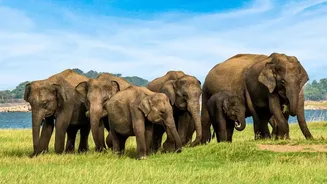
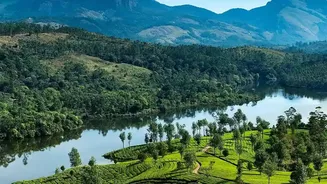
and heritage tours. This new momentum is driven by a desire for open spaces, mental wellbeing, and experiences that feel genuine. Travellers are increasingly drawn to nature holidays and conservation-focused trips, which offer a perfect escape while maintaining a sense of peace and distance. This quest for authenticity has turned the spotlight onto India’s vast rural landscapes and rich biodiversity, long overshadowed by the popular Golden Triangle circuit.
Into the Wild: The Allure of the Eco-Lodge
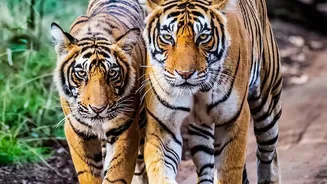
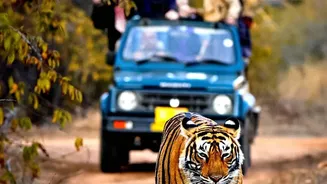
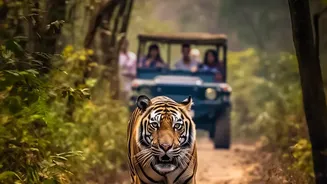
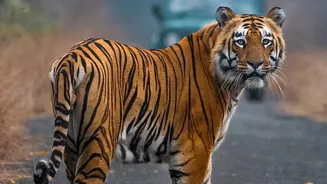
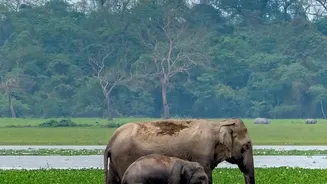
Wildlife tourism is no longer just about a quick jeep safari. It’s evolving into an immersive experience. India's wildlife tourism market, valued at over USD 13 billion in 2025, is projected to grow at a healthy clip of 10.3% annually through 2033. At the heart of this trend are eco-lodges that blend luxury with conservation. Properties in and around national parks like Ranthambore, Satpura, and Kaziranga are offering curated journeys that go beyond tiger-spotting. Guests are engaging with naturalists, learning to interpret animal behaviour, and understanding the delicate balance of the ecosystem. These lodges often operate on sustainable principles, using solar power, harvesting rainwater, and sourcing local produce, allowing travellers to indulge with a clear conscience.
The Call of the Countryside: Agritourism and Homestays
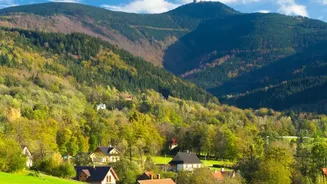
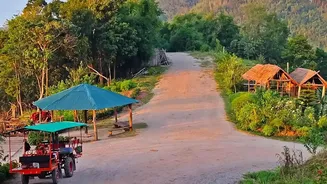
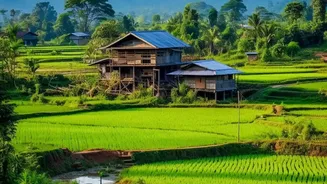
Parallel to the call of the wild is the gentle pull of rural life. Agritourism is booming, with the Indian market expected to grow at a staggering compound annual rate of over 17% between 2026 and 2034. It’s a segment dominated by domestic tourists—nearly 78% of the market—who are escaping urban stress for weekend farm stays. States like Maharashtra, which pioneered an organised agritourism policy back in 2005, are leading the way. This form of travel allows visitors to participate in farming activities, enjoy local cuisine, and experience a simpler way of life. It’s about cultural immersion, where a homestay is not just a room but a window into the heritage and traditions of a village.
Government Push Meets Local Benefit
This diversification isn’t happening in a vacuum. The Indian government is actively promoting this shift. The Ministry of Tourism has framed a national strategy to develop rural tourism, recognising its potential to create jobs and preserve culture. Initiatives like Swadesh Darshan 2.0 have moved from a circuit-based model to a destination-centric one, focusing on developing sustainable and responsible tourism hubs. Special schemes are also in place to support the creation of homestays in tribal areas, providing financial assistance to local communities and empowering them to become stakeholders in the tourism economy. This convergence of policy and traveller interest is creating a powerful engine for inclusive growth, ensuring that the economic benefits of tourism reach the grassroots.