





A Fortnight of Frozen Darkness
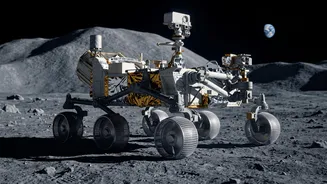
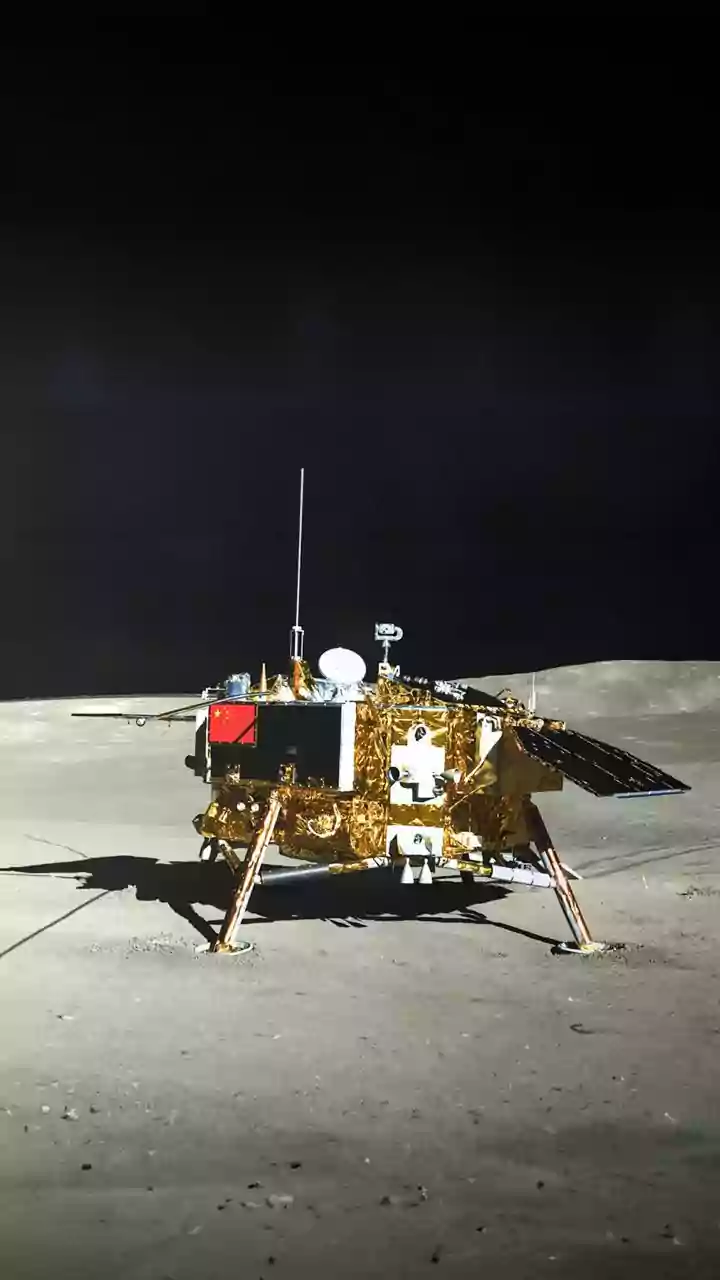
Imagine a night that lasts for two weeks, where temperatures are cold enough to make steel brittle. This is the reality on the Moon. For a lunar rover, this isn't just an inconvenience; it's a life-threatening challenge. The extreme cold can seize mechanical
joints, crack materials, and, most critically, drain batteries and destroy sensitive electronics. Without a source of power and heat, a rover would simply freeze to death, becoming another silent monument on the lunar surface. For decades, the primary mission for engineers has been to find a way to keep these machines alive in the dark, a feat that is crucial for any long-term exploration.
The Classic Solution: Nuclear Warmth
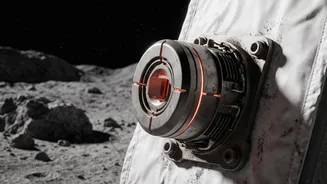
For many years, the go-to solution for surviving the brutal cold of space has been the Radioisotope Heater Unit, or RHU. These are small, simple, and incredibly reliable devices. Inside each unit is a small pellet of a radioactive material like plutonium-238. As the material naturally decays, it releases a steady, continuous stream of heat. By placing these RHUs near critical components like computers and batteries, spacecraft can keep their vital systems warm without needing any electrical power. Think of it as a tiny, long-lasting nuclear furnace. While effective, RHUs rely on rare and highly regulated materials, which has prompted space agencies and private companies to seek more flexible and accessible alternatives.
A Smarter System: The 'Warm Box' Concept
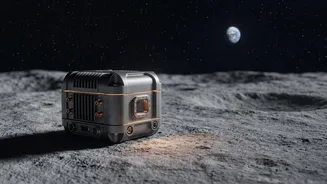
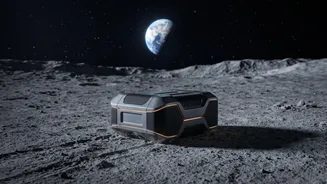
Modern rovers often employ a strategy that sounds simple but is complex in practice: the 'Warm Electronics Box' (WEB). This is an insulated compartment in the heart of the rover where the most temperature-sensitive components—the main computer, batteries, and core electronics—are housed together. The idea is to heat this one small, crucial area instead of trying to heat the entire rover. This is far more efficient. The heating itself is often done with simple electric heaters, similar to a thermostat in your home, which are connected to sensors that switch them on only when the temperature drops below a critical threshold. The system's goal is to use the rover's own battery power in the most intelligent way possible to keep its electronic brain and heart from freezing during the long, dark night.
The Science of Self-Heating
So-called self-heating power modules are less a single component and more an integrated system of survival. During the long lunar day, solar panels gather as much energy as possible, storing it in advanced batteries. When the sun sets and the deep cold arrives, the rover enters a low-power hibernation mode. It's during this time that the thermal management system takes over. Thermistors—highly sensitive thermometers—monitor the temperature inside the WEB. If it drops too low, the system draws a small amount of power from the batteries to run the internal heaters, warming the components just enough to keep them within their survival temperature range. This cycle of sensing and gentle heating continues for the entire two-week lunar night, carefully rationing power until the sun rises again.
Innovations in Thermal Management
The evolution of these systems is rapid. Beyond simple heaters, engineers are using a 'toolbox' of advanced thermal technologies. This includes high-tech insulation to prevent heat from escaping and 'heat pipes' that can move heat from one part of the rover to another without any moving parts. Some designs even incorporate Phase Change Materials (PCMs)—special waxes or substances that absorb heat as they melt during the hot lunar day and release that stored heat as they freeze during the cold night, providing passive heating. By combining these technologies, rovers can more efficiently regulate their temperature, reduce their reliance on battery power for heating, and ultimately survive longer and explore farther.