


A Glistening Heritage from the Kutch Desert
At its heart, Lippan Kam—also known as mud-and-mirror work—is a traditional mural art from the Kutch region of Gujarat. The name itself comes from the local word 'lippan', which means 'to apply', hinting at its origins as a way to plaster and beautify
homes. Historically, women from communities like the Rabari, Mutwa, and Meghwal would decorate the inner and outer walls of their circular mud huts, or 'bhungas', using a mixture of clay and animal dung. Into this wet plaster, they would press small mirrors, called 'aabhla', creating intricate patterns. This wasn't just for decoration; the thick mud walls provided insulation from the harsh desert climate, while the mirrors would catch and reflect the faintest light, illuminating the interiors and, as some believed, warding off evil.
The Modern Renaissance of a Traditional Craft
So, why is an art form rooted in the desert finding favour in sleek, contemporary apartments? The answer lies in a growing desire for authenticity and connection. In a world of mass-produced decor, Lippan art offers a story. Each piece is a testament to handcrafted skill, carrying the essence of its cultural origins. The trend towards sustainable and natural materials also plays a part. The art form's earthy texture provides a stunning contrast to the clean lines and minimalist palettes of modern design. It adds warmth, character, and a focal point that is both visually striking and deeply meaningful. This evolution has also seen a practical shift; instead of being applied directly to walls, many artists now create Lippan panels on wooden or MDF boards, making the art portable and accessible to a global audience.
The Hands Behind the Art
The resurgence of Lippan Kam is not just a design trend; it's a lifeline for the artisans who are the custodians of this heritage. For generations, these skills were passed down from mother to daughter, an intimate act of community and creativity. Today, purchasing an authentic piece of Lippan art directly supports these skilled craftspeople and their families in the Kutch region. It provides a sustainable livelihood and ensures that this centuries-old tradition continues to thrive. Events like the Rann Utsav have been instrumental in bringing this art form to a wider audience, boosting tourism and creating new markets for the artisans whose hands shape every swirl of mud and place every shimmering mirror.
Weaving Lippan Art into Contemporary Spaces
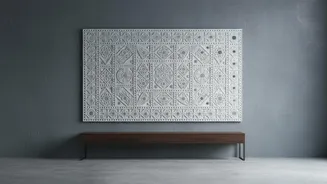
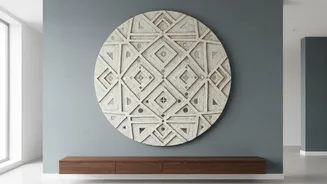
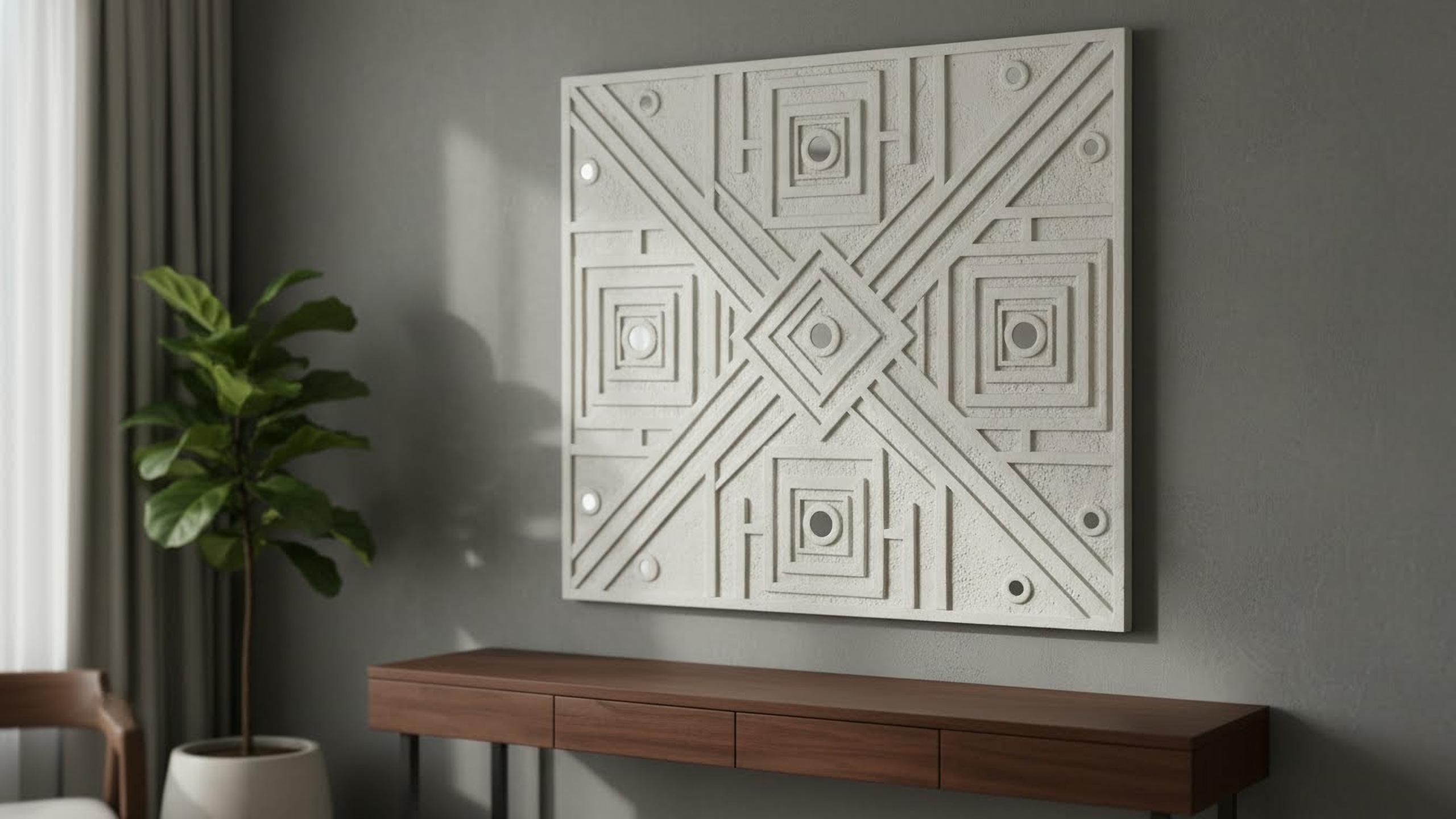
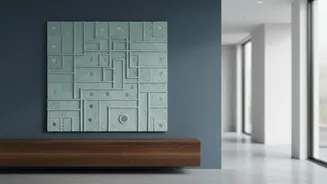
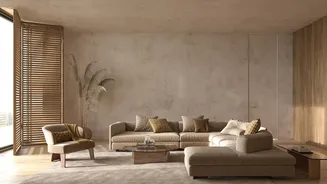
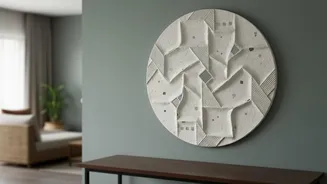
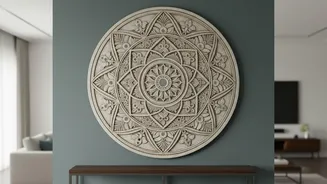
Incorporating Lippan art into a modern home is surprisingly versatile. A large, intricate panel can serve as a dramatic feature wall in a living room or a unique headboard in a bedroom. Smaller pieces can be grouped together to create a gallery wall with a cohesive, ethnic touch. The traditional white and neutral tones of Lippan art work beautifully with minimalist and bohemian interiors, adding texture without overwhelming the space. You can contrast the rustic mud work with sleek metal furniture or place it against a bold-coloured wall to make the mirror work pop. The motifs themselves range from traditional symbols like peacocks, camels, and flowers to more contemporary geometric patterns, offering something for every aesthetic.
More Than Just Decoration
Ultimately, bringing a piece of Lippan art into your home is about more than just aesthetics. It is an act of cultural appreciation. You are not just hanging a piece of decor; you are preserving a story, celebrating a community, and connecting with a rich artistic lineage that stretches back hundreds of years. It is a reminder that beauty can be found in the simplest materials—mud, mirrors, and the skilled touch of a human hand. In an increasingly digital and disconnected world, this glittering craft from the Kutch desert offers a tangible piece of heritage, transforming a simple wall into a canvas of history and light.