


The 30-Second Test Sweeping Wellness
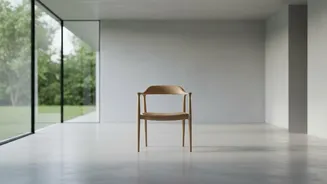
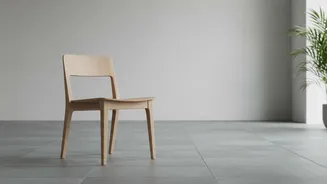
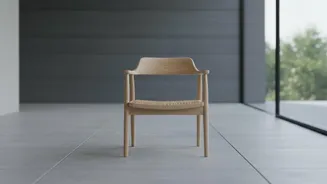
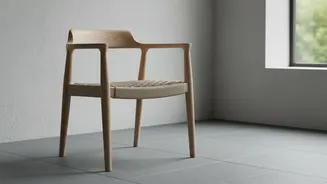
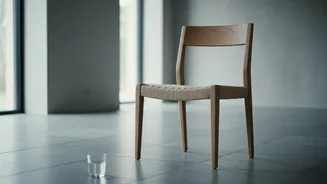
It’s called the 30-second chair-stand test, and its simplicity is its power. The instructions are straightforward: sit in the middle of a standard-height chair (about 17 inches) with your back straight, feet flat on the floor, and arms crossed over your chest.
Then, for 30 seconds, you stand up completely and sit back down as many times as you can. If you have to use your hands or arms to push off, your score is zero. This test, originally developed for assessing functional fitness in older adults, is gaining viral traction as a remarkably insightful measure for people of all ages. It’s a direct assessment of lower-body strength, endurance, and balance — three pillars of functional mobility.
Why Sitting and Standing Matters
This simple movement is far more than a physical challenge; it's a powerful indicator of future health. Leg strength is profoundly linked to longevity and independence. A strong lower body is essential for a huge range of daily activities we take for granted, like climbing stairs, carrying groceries, and getting out of a car. Research has shown that performance on the chair-stand test is a strong predictor of fall risk, functional independence, and even mortality. One study noted that people with lower scores on chair stand tests were significantly more likely to die during a nine-year follow-up period than those with the highest scores. The test effectively measures your ability to handle your own body weight, a fundamental skill that underpins your capacity to live an active and independent life as you age.
Redefining a 'Good Workout'
The rise of the chair-stand test speaks to a broader cultural shift in fitness. For years, the fitness industry has been dominated by aesthetics and metrics of peak performance — bigger muscles, faster run times, heavier lifts. But a growing movement is championing "functional fitness," which prioritizes training the body for the demands of real life. This approach focuses on compound movements that engage multiple muscle groups at once, just as you would in your daily life. The goal isn't just to be strong in the gym, but to build a resilient body that can move efficiently, prevent injury, and maintain a high quality of life for decades to come. It’s about ensuring you can play with your grandchildren on the floor, carry luggage through an airport, and live without fear of a fall.
Your At-Home Functional Fitness Toolkit
The chair-stand test is just one tool in a growing arsenal of simple, equipment-free assessments. Another well-studied predictor of longevity is the sitting-rising test (SRT), where you see how well you can get up from a sitting position on the floor. Studies have shown a direct correlation between how much support you need (hands, knees, etc.) and mortality risk. Other valuable at-home tests include a simple balance check — how long can you stand on one leg with your eyes open, and then closed? Or grip strength, which you can roughly gauge by how firmly you can squeeze a friend's hand. These tests aren’t about passing or failing; they are valuable sources of information, helping you understand your body’s current capabilities and highlighting areas you can work to improve.