




Heartbreak in the Final
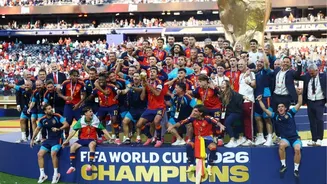
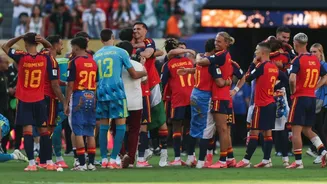
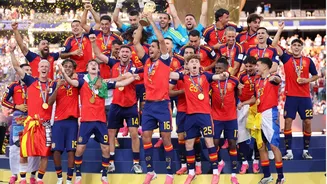
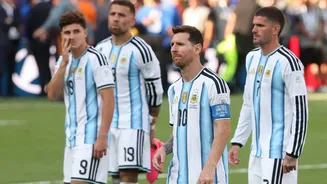
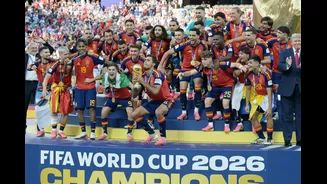
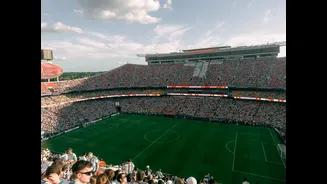
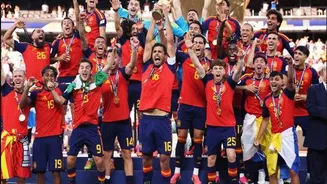
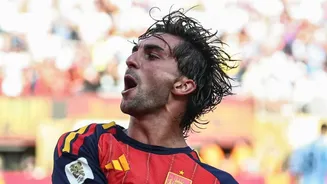
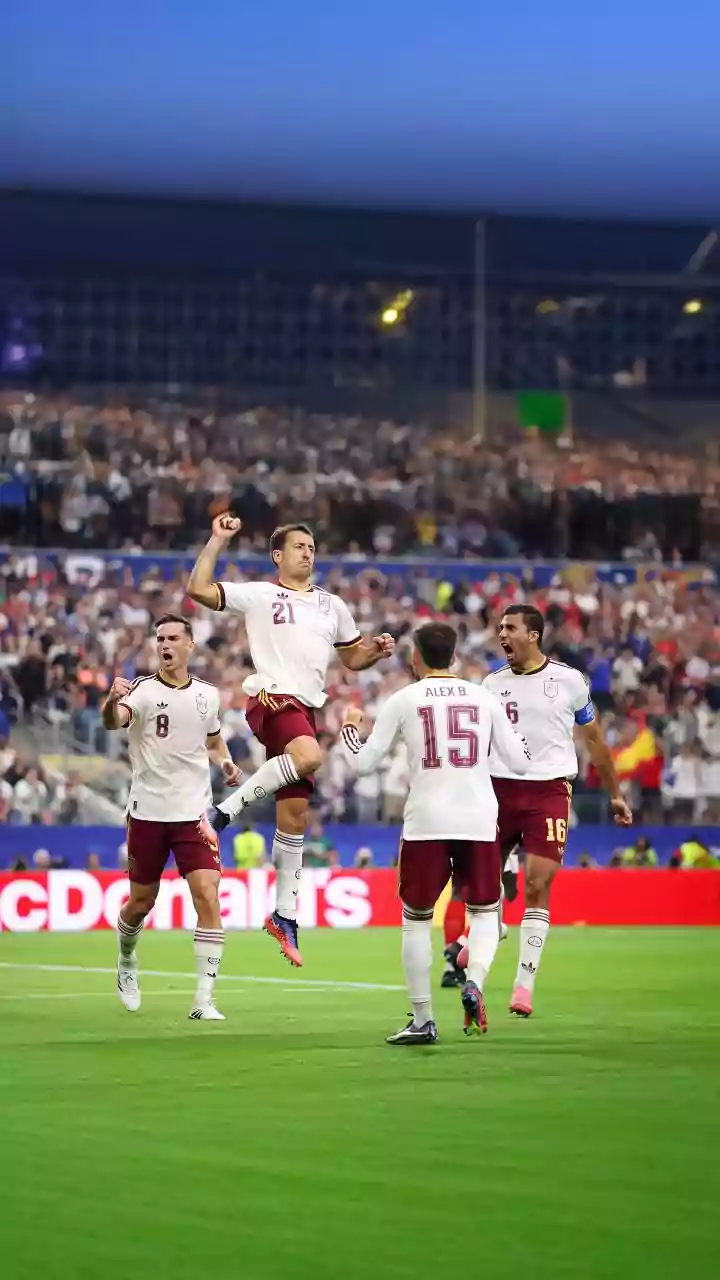
The 2026 FIFA World Cup final was a brutal affair for Argentina. In a tense match at New York New Jersey Stadium, Spain ultimately triumphed 1-0 after substitute Ferran Torres scored the decisive goal in the 106th minute of extra time. Argentina, who
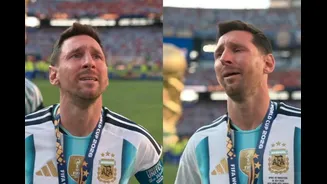
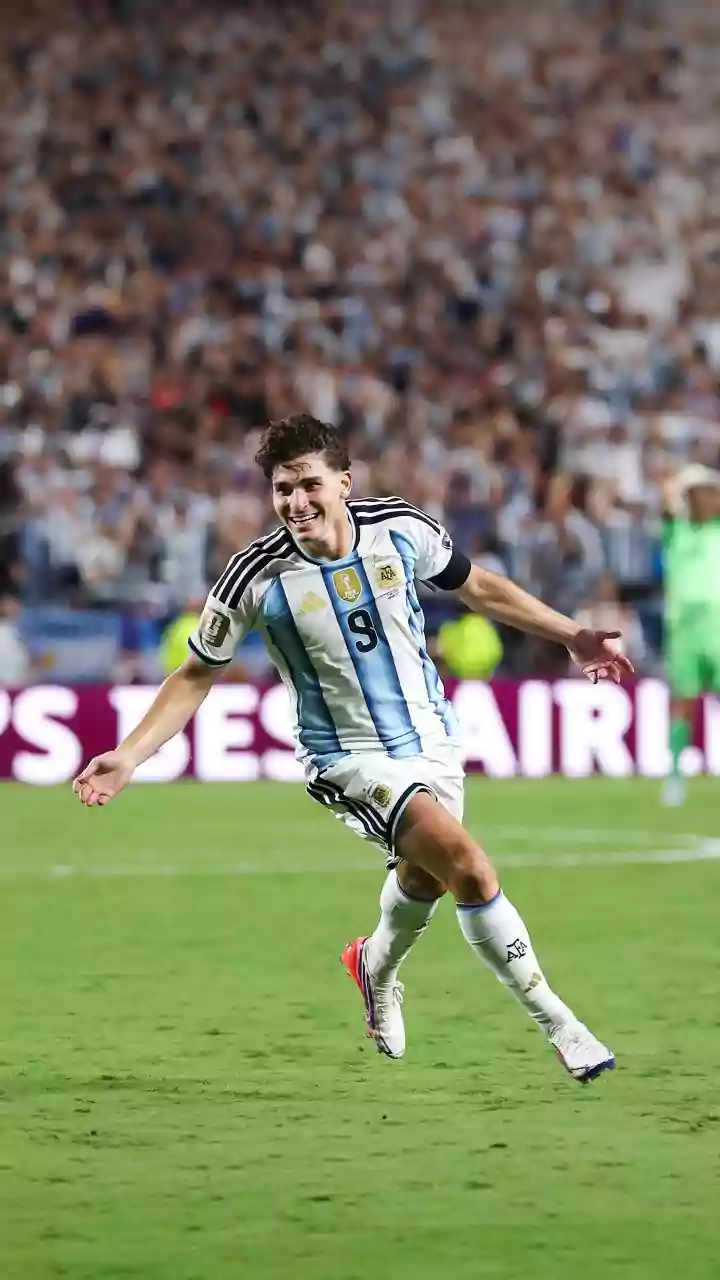
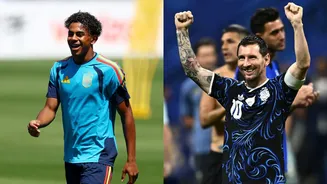
played with ten men after Enzo Fernández received a second yellow card just before the end of normal time, struggled to create chances against a dominant Spanish side. They failed to register a single shot in the first 90 minutes. For Messi, who had carried his team with an incredible eight goals throughout the tournament, it was a devastating end to his bid to become the first captain to lift the trophy twice in the modern era. The images of the 39-year-old captain, visibly emotional as he collected his runners-up medal, resonated with fans globally.
The Undeniable Question of Age
The biggest argument against a 2030 appearance is, of course, time itself. By the time the centennial World Cup kicks off in June 2030, Lionel Messi will have just turned 43. While not impossible, playing at that age at the highest level is exceedingly rare, especially for an outfield player. The list of the oldest World Cup players is dominated by goalkeepers. Egypt's Essam El-Hadary holds the record at 45 years old, while legendary forward Roger Milla of Cameroon played at 42. For Messi to compete, he would have to defy the normal trajectory of an athlete's career, maintaining elite fitness and avoiding significant injury well into his forties. It’s an immense physical challenge, even for a player who has redefined what’s possible for two decades.
What Have Messi and His Coach Said?
Officially, no decision has been made. Messi himself has remained tight-lipped about his international future following the 2026 final. Before the tournament, he had taken a more open stance than he did before the 2022 victory, admitting he didn't know what the future held. Argentina's coach, Lionel Scaloni, has been clear that the decision rests solely with his captain. "I have no idea if this is Leo's last game, you will have to ask him," Scaloni said. He has consistently stated that Messi will play for Argentina for as long as he wants to. "It was crystal clear for me that he's going to play up until he decided to do so," Scaloni reiterated after the final loss. This sentiment leaves the door wide open, suggesting the national team would welcome him back if he feels he can contribute.
The Unique Pull of the 2030 Tournament
The 2030 World Cup isn't just another tournament; it holds a special significance that might tempt Messi to prolong his career. The event will celebrate the competition's centenary with opening matches held in Uruguay, Paraguay, and, crucially, Messi's home country of Argentina. The opportunity to play a World Cup match on home soil, a perfect stage for a 'last dance', could be a powerful motivator. Spanish football expert Guillem Balagué believes Messi's enjoyment of playing for the national team is a key factor. "Even if you hear it is the end, I doubt it," Balagué told the BBC, suggesting the passion remains. The unique hosting arrangement provides a sentimental pull that a standard World Cup might not.