






Beyond Salt and Spice: The Rise of Functional Snacking
For years, the world of healthy snacking was defined by bland flavours and generic promises. But today, a significant shift is underway, driven by a growing awareness of health and wellness. Consumers are no longer just looking for low-calorie options;
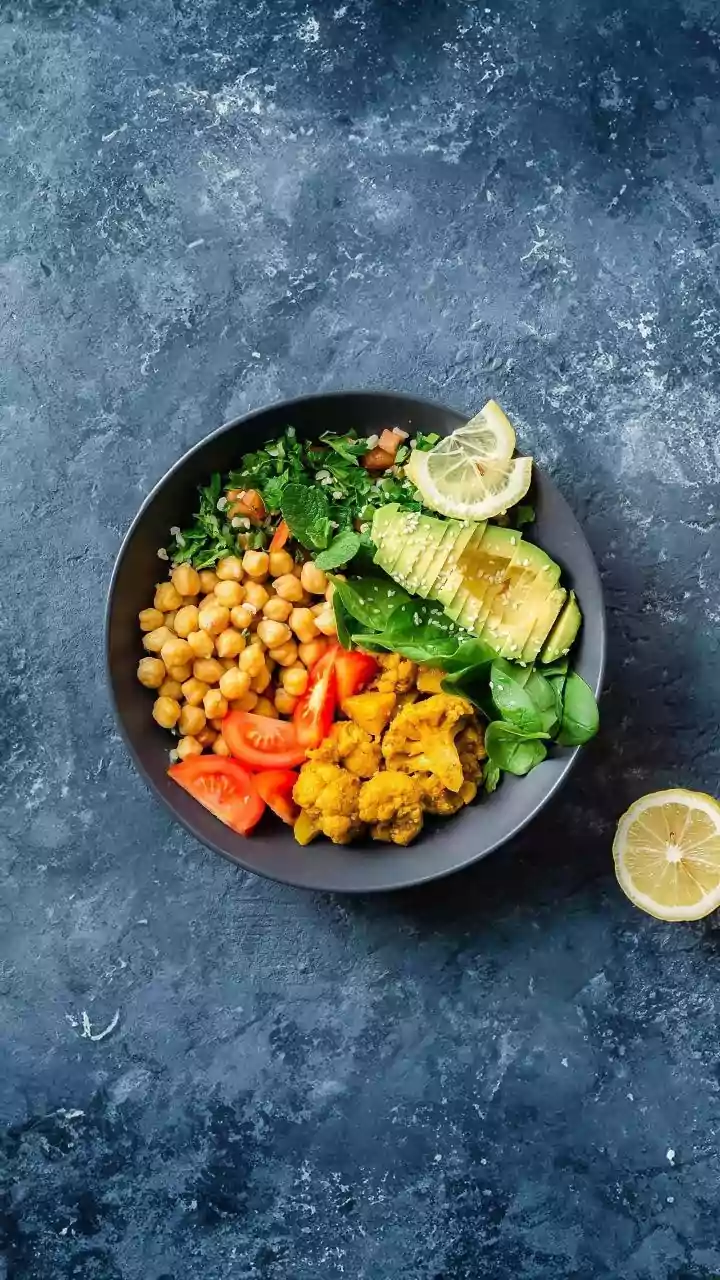
they want snacks that do more. These are called 'functional foods'—products that offer health benefits beyond basic nutrition. This can include foods fortified with vitamins and proteins, or snacks rich in natural, beneficial ingredients like fiber and antioxidants. The Indian healthy snacks market is booming, expected to reach over USD 8 billion by 2033, as urban consumers seek out convenient, nutritious options that fit their busy lifestyles. This has paved the way for innovative products like protein bars, baked millet chips, and roasted makhana that offer benefits like boosted immunity and better digestion.
A Return to Roots: The Power of Regional Flavours
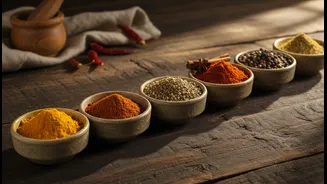
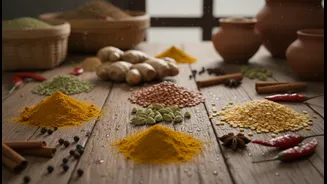
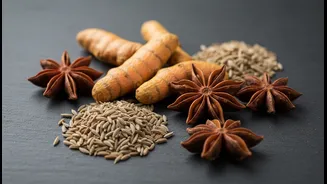
While the demand for healthy snacks grows, consumers are also craving authenticity. The answer, many brands are discovering, lies in India's own rich culinary heritage. Instead of generic 'chilli' or 'cheese' seasonings, snack makers are turning to the specific, complex spice blends that define India's diverse regional cuisines. This move taps into a deep emotional connection Indians have with food, where flavours are tied to memory, comfort, and cultural pride. From the pungent 'bhujia' of Rajasthan to the savory 'chiwda' of Maharashtra, each region offers a unique palette of tastes that are instantly recognizable and deeply cherished. This embrace of local flavours allows brands to create products that feel both new and familiar, satisfying a craving for wholesome ingredients and authentic taste in one go.
From Malabar Pepper to Pudina: A Flavour Tour
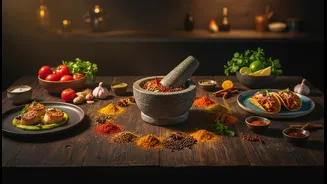
The fusion of functional snacks and regional spices has created an exciting new landscape of flavours. Think baked lentil chips seasoned with the tangy zing of 'amchur' (dried mango powder) or protein-rich fox nuts (makhana) tossed in a fiery Andhra 'podi'. Brands are incorporating everything from North Indian 'pudina' (mint) and 'chaat masala' to South Indian 'curry leaf' and Malabar pepper into their products. Roasted peanuts are getting a makeover with zesty black pepper, while multigrain crackers are being infused with the earthy notes of 'methi' (fenugreek) or the distinct aroma of cumin sizzled in ghee. Even global formats like nacho crisps are being adapted with local tastes, such as tikka masala flavouring. These combinations do more than just add taste; they make healthy eating a more enjoyable and culturally resonant experience.
The 'Glocal' Advantage: Why This Trend Works
This trend is a perfect example of 'glocalization'—adapting a global concept (healthy, packaged snacks) to suit local tastes and preferences. By using familiar regional spices, brands make new-age health foods more approachable and less intimidating for the average Indian consumer. It builds a bridge between tradition and modernity, assuring customers of a taste they know and love, even in a novel format like a protein bar or a quinoa puff. This strategy is not just about flavour; it's smart business. It allows homegrown D2C brands and established players alike to stand out in a crowded market that is projected to grow at a CAGR of over 8%. It shows that the future of food in India isn't about replacing traditional tastes with global ones, but about creatively integrating them into modern lifestyles and wellness goals.