



The Hidden Value in Herb Stems
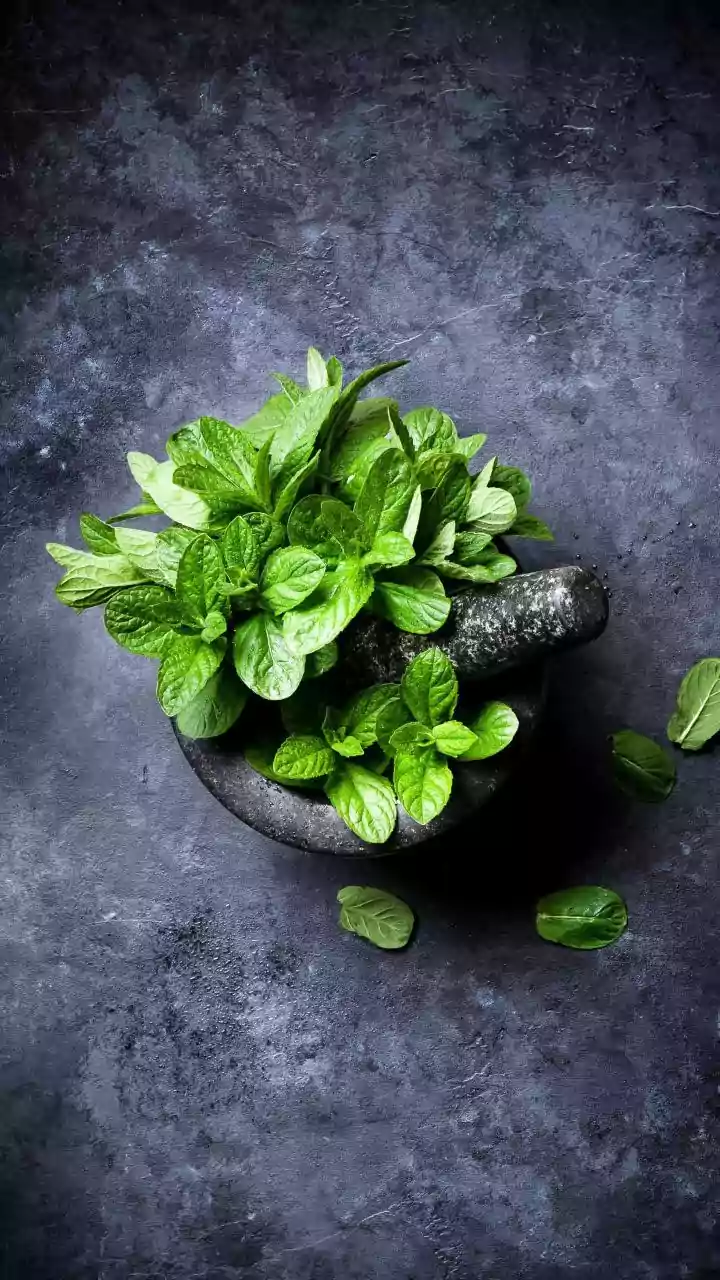
We've all done it. We meticulously pluck the delicate leaves of coriander (dhania) for garnish and mint (pudina) for chutneys, then discard the tougher stems. But in the world of zero-waste cooking, those stems are culinary gold. They possess a potent,
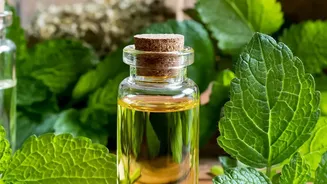
concentrated version of the herb's flavour, often more intense than the leaves themselves. By infusing them into oil, you're not just reducing kitchen waste; you're creating a brand-new, gourmet ingredient from something you would have otherwise thrown away. It’s a simple act of kitchen alchemy that saves money, reduces your environmental footprint, and adds an incredible layer of flavour to your meals.
Choosing Your Core Ingredients
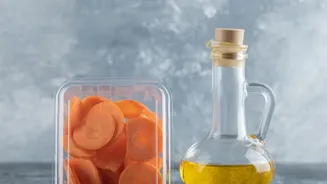
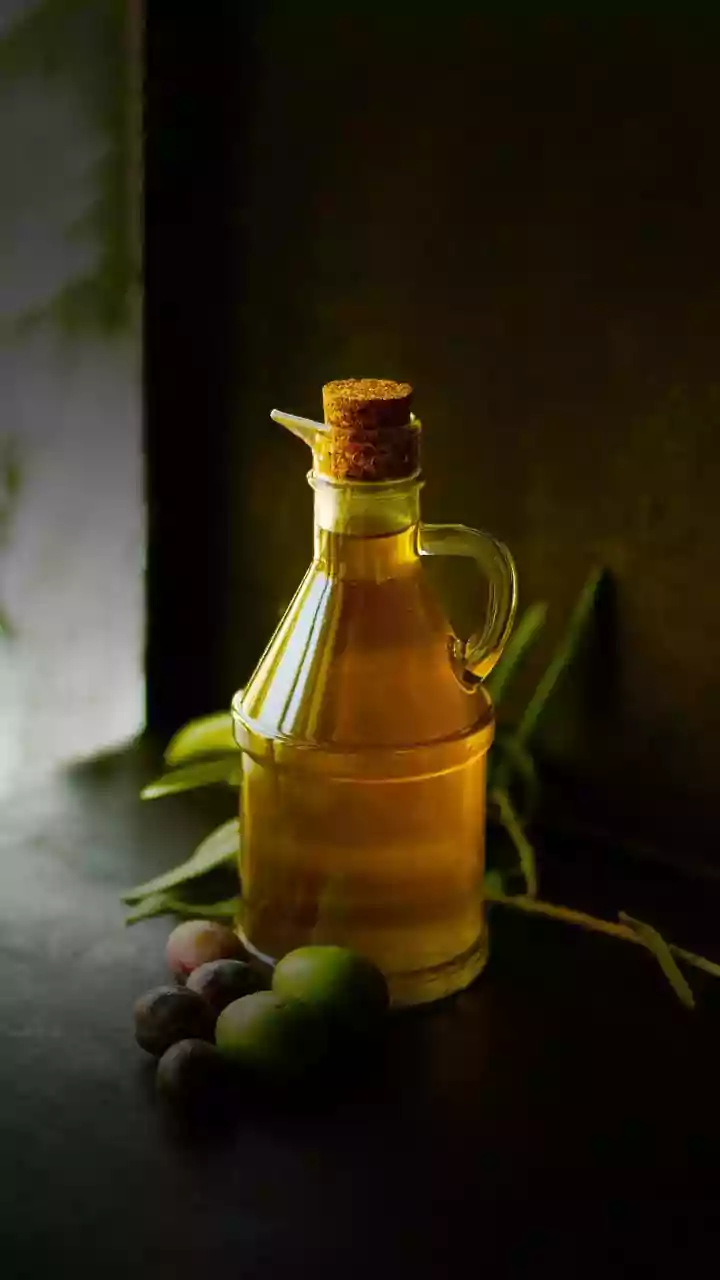
The success of your infusion rests on two key components: the stems and the oil. For the stems, freshness is key. Use stems from vibrant, healthy bunches of coriander and mint. Wash them thoroughly under running water to remove any grit and pat them completely dry. Any water left on the stems can shorten the shelf life of your oil. When it comes to the oil, you want a neutral-flavoured carrier that will let the herbs shine. Good quality sunflower oil, groundnut oil, or a light olive oil are excellent choices. Avoid oils with strong flavours like untoasted sesame or mustard oil, as they will compete with the delicate notes of the mint and coriander. The goal is for the oil to be a canvas for the herbal flavours.
A Step-by-Step Guide to Infusion
This process uses gentle heat to extract the flavours quickly. You will need about a cup of tightly packed, roughly chopped coriander and mint stems for every 250 ml of oil. 1. Prepare the Stems: After washing and thoroughly drying your stems, chop them roughly. This increases the surface area, allowing more flavour to be released into the oil. 2. Gentle Heating: Pour your chosen oil into a small saucepan and add the chopped stems. Place the pan on the lowest possible heat setting on your stove. The idea is to warm the oil gently, not to fry the herbs. You should see tiny, slow bubbles forming around the stems after a few minutes. If the oil starts to smoke or the stems begin to brown, the heat is too high. 3. Steep and Cool: Let the stems steep in the warm oil for about 10 to 15 minutes, keeping the heat very low. The oil will become incredibly aromatic. After steeping, turn off the heat and allow the oil to cool down to room temperature completely with the stems still inside. This cooling period is an essential part of the infusion process.
Straining, Storage, and Safety
Because this oil is made with fresh herbs, proper storage is crucial to prevent spoilage. Once the oil has completely cooled, strain it through a fine-mesh sieve or a piece of muslin cloth to remove all the solid plant material. Press down gently on the stems to squeeze out every last drop of flavourful oil. Pour the clear, fragrant oil into a sterilised glass bottle or jar with an airtight lid. It is critical to store this infused oil in the refrigerator. The cool temperature will keep it fresh and safe to consume. Aim to use your homemade coriander-mint oil within two to three weeks for the best flavour and quality. Always give it a quick sniff before using; it should smell fresh and herbaceous.
How to Use Your Homemade Infusion
Now for the best part: using your creation. This coriander-mint oil is a versatile finishing oil, meaning it's best used to add flavour at the end of cooking rather than for high-heat frying. Drizzle it over a bowl of hot dal or soup just before serving. Use it as a base for a vibrant salad dressing or a marinade for paneer, chicken, or fish. Toss it with roasted vegetables, stir it into cooked rice for a flavour boost, or simply use it as a delicious dip for warm bread or naan. The bright, fresh flavours will elevate simple dishes and add a professional touch to your home cooking.