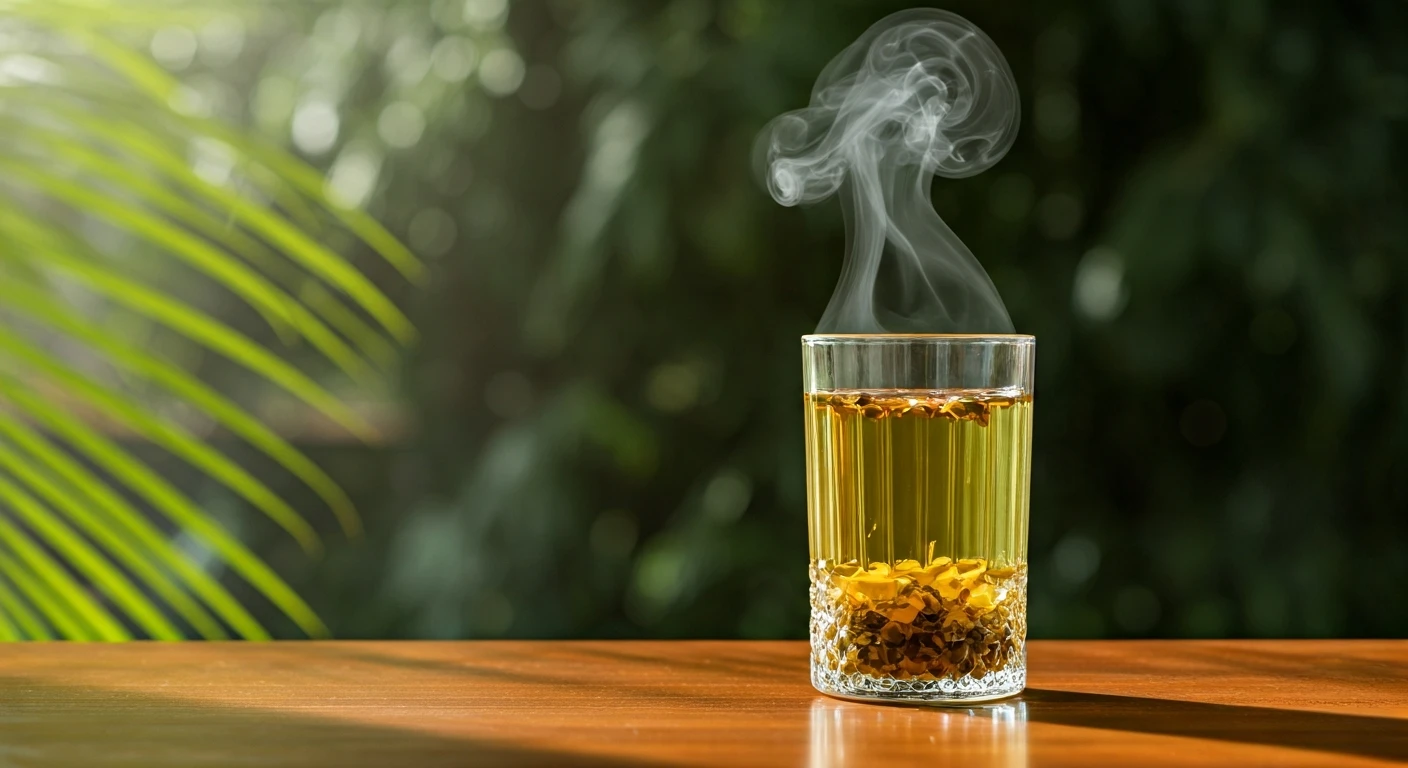






A Hug in a Mug
Before there were vitamin C tablets and flu shots, there was Kadha. This humble, potent decoction is more than just a home remedy for the common cold; it's a liquid embodiment of care, a ritual passed down through generations of Indian families. The moment
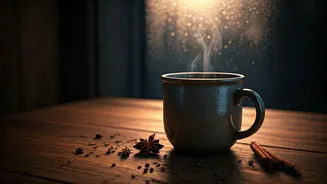
someone in the house let out the first sneeze of the season, a grandmother or mother would instinctively head to the kitchen. The gentle clinking of spice jars and the rhythmic pounding of a mortar and pestle were the sounds of love being brewed. Each sip of the dark, aromatic liquid felt like a warm hug from the inside, a promise that everything would be alright. It’s this deep-seated emotional connection that makes Kadha a cornerstone of monsoon nostalgia.
The Symphony of Spices
At its heart, Kadha is a masterclass in the wisdom of the Indian spice box. It’s not a fixed recipe but a fluid concept, with each family having its own treasured version. The base is always a collection of common kitchen spices, herbs, and roots, each chosen for its traditionally recognized properties. The magic lies in the symphony they create when simmered together in water. The sharp bite of ginger, the sweet warmth of cinnamon, the pungent kick of black pepper, and the herbaceous notes of tulsi all combine to create a complex and powerful brew. This isn't about precise measurements but about intuition—a pinch of this, a few pods of that—a skill honed over years of observation and practice.
Meet the Key Players
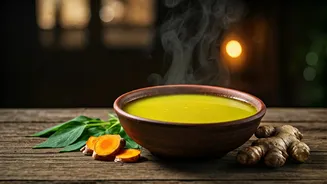
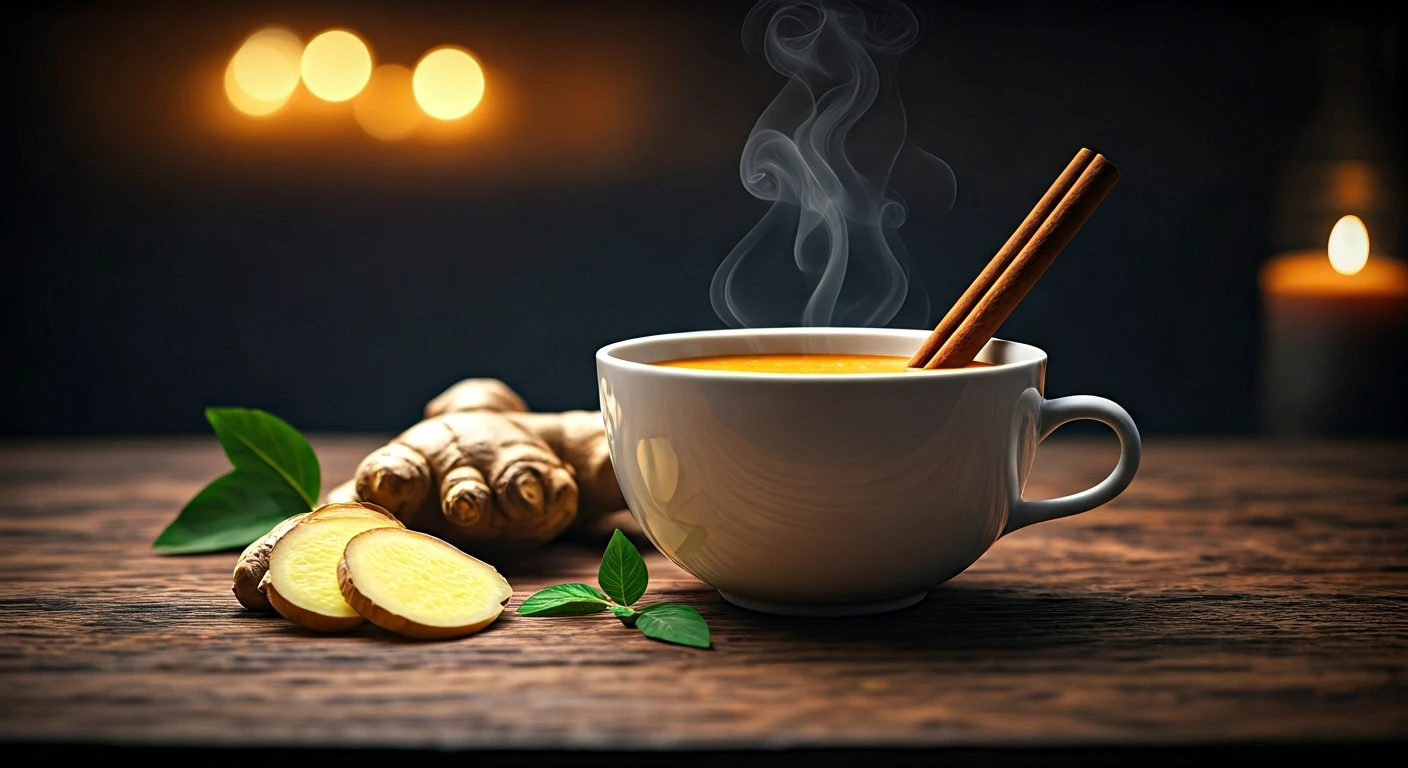
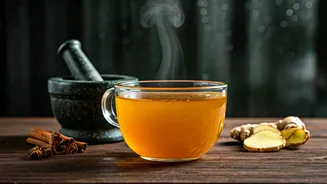
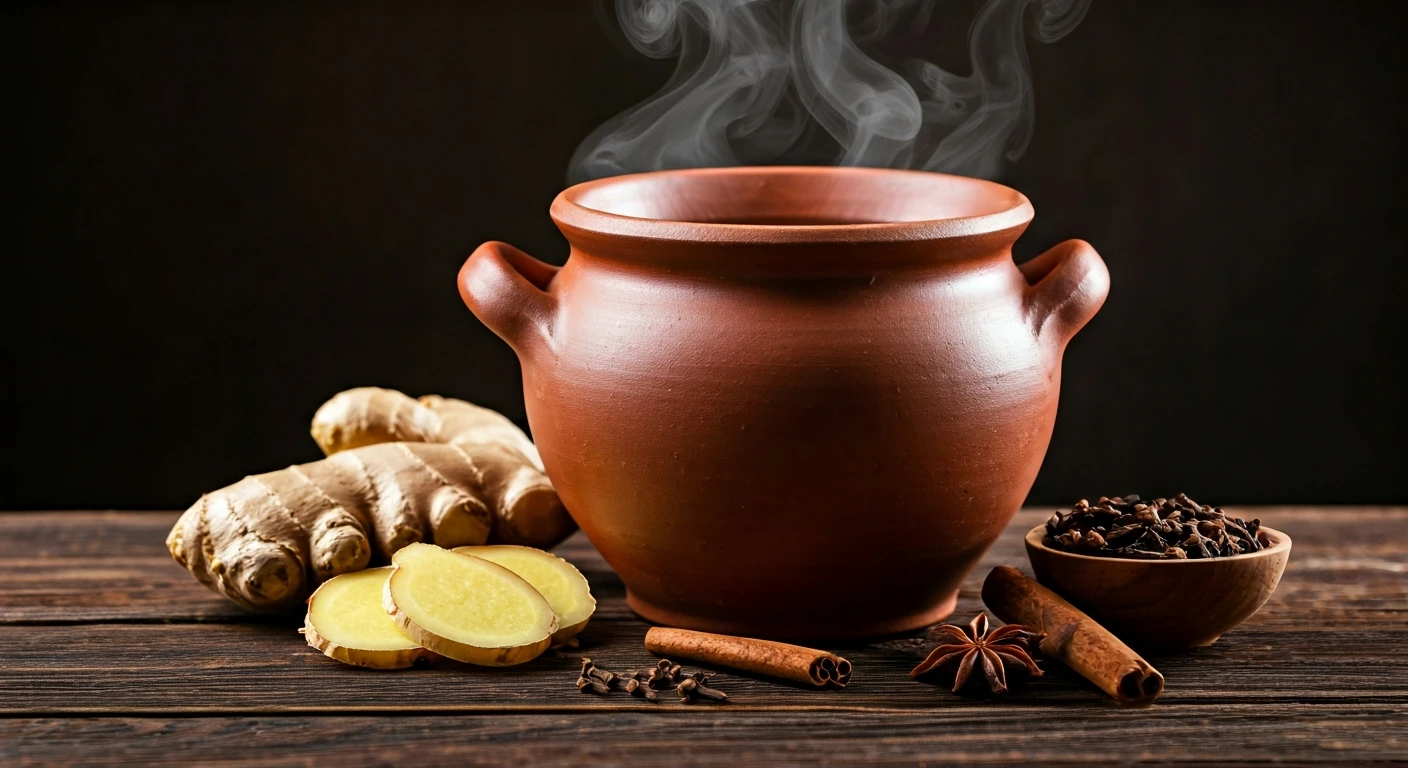
While recipes vary, a few ingredients form the backbone of most Kadhas. Tulsi (Holy Basil) is revered in Ayurveda and is a near-constant, traditionally used for its properties that are believed to help the body fight off infections. Adrak (Ginger) is the undisputed star for soothing a scratchy throat and aiding digestion, providing a signature warming effect. Kali Mirch (Black Pepper) not only adds a spicy kick but is traditionally thought to enhance the efficacy of other ingredients. Spices like Laung (Cloves) and Dalchini (Cinnamon) are not just there for flavour; they are packed with compounds that have been used in traditional medicine for centuries to combat coughs and colds. Finally, a spoonful of Shahad (Honey) or a piece of Gur (Jaggery) is often added not just for sweetness, but for their own soothing properties.
The Art of the Brew
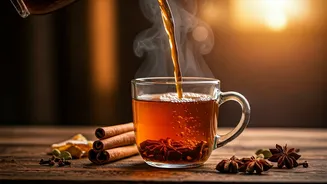
Making Kadha is a slow, deliberate process. It’s the antithesis of instant coffee or teabags. The ingredients are lightly crushed to release their essential oils and then added to a pot of water. The mixture is brought to a boil and then left to simmer gently, reducing until it becomes a concentrated, fragrant liquid. This slow extraction is key. It’s a process that demands patience, filling the home with a comforting, medicinal aroma that is in itself a form of therapy. The final step is straining the brew into a cup. It’s served piping hot, meant to be sipped slowly, allowing its warmth to permeate your body and ease your discomfort.
A Timeless Comfort for Modern Times
In a world of fast-paced living and quick fixes, why does this ancient tradition endure? Perhaps because Kadha offers something modern medicine often overlooks: the comfort of ritual and the power of nostalgia. Making or drinking a Kadha connects us to our roots, to the memory of being cared for. It’s a simple, tangible act of self-care. As the rains continue to fall, turning to this age-old brew is not just about staving off a seasonal sniffle. It’s about finding comfort in the familiar, wellness in our own kitchens, and a taste of a grandmother’s love in every single sip.