







The Science of Fading Greens
The beautiful green colour in vegetables like spinach (palak), fenugreek (methi), and mustard greens (sarson) comes from a pigment called chlorophyll. When you apply heat, the plant cells start to break down. This process is normal, but it also releases
naturally occurring acids within the vegetable. These acids are the enemy of vibrant greens. When the acids come into contact with the chlorophyll, they trigger a chemical reaction that changes the chlorophyll's structure, turning it from bright green to a drab, unappetising olive-green or brownish colour. The longer your greens are exposed to heat and these internal acids, the more the colour will fade.
Your Secret Weapon: A Squeeze of Acidity
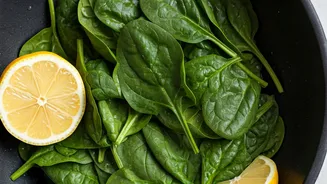
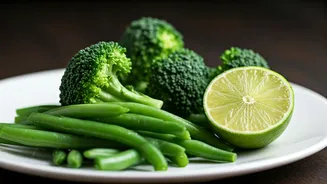
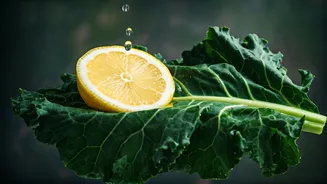
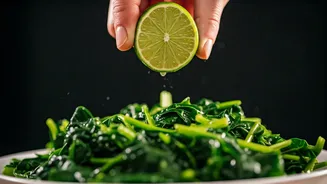
It might sound counterintuitive to fight acid with acid, but the timing of when you introduce it is everything. Adding a squeeze of lime juice or another acid *after* the cooking process can help preserve the colour. The key is to add the lime juice right at the end, just before serving. When added to cooked greens that have been removed from the heat, the acid helps to stabilize the chlorophyll molecules that haven't yet been damaged, effectively locking in their bright green colour. However, adding acid *during* the cooking process will have the opposite effect, speeding up the discolouration and even making the vegetables tough.
Perfect Execution: Timing is Everything
To make this trick work, follow these simple steps. First, cook your leafy greens as you normally would, but aim for the shortest cooking time possible. For tender leaves like spinach, this could be just a minute or two until they wilt. Once the greens are cooked, immediately remove them from the heat. If you've boiled them, drain the hot water away. Now, for the magic moment: squeeze a few drops of fresh lime juice over the greens and toss them gently. You don't need much; a small squeeze is enough to do the job. The same principle applies to other acids like a splash of vinegar, which works well in saag preparations. The key is to add it off the heat, right before the dish makes its way to the table.
More Pro Tips for Vibrant Greens
While the lime trick is fantastic, you can combine it with other professional techniques for even better results. One popular method is blanching. This involves plunging the vegetables into boiling salted water for a very short time (30 seconds to a minute) and then immediately transferring them to a bowl of ice water. This process, called 'shocking', abruptly stops the cooking and sets the vibrant green colour. After shocking, you can squeeze out the excess water and use the greens in your recipe. Other tips include using a large pot of water so the temperature doesn't drop too much, not overcrowding the pan, and avoiding covering the pot, which can trap the acids released during cooking. Cooking quickly over high heat is almost always better than a long, slow simmer.
Beyond Palak: Will This Work for All Greens?
This technique is effective for most common Indian leafy greens. From the delicate leaves of amaranth (chaulai) to the more robust flavours of mustard greens used in sarson ka saag, a final acidic touch works wonders. The science of chlorophyll degradation is the same across all green vegetables. So whether you're making a simple palak dal, a flavourful methi sabzi, or boiling greens for a raita, remember this simple rule: cook them quickly and add your acid (lime, vinegar, or even amchoor) at the very end. It’s a simple, game-changing step that will make your dishes look as good as they taste, ensuring your hard work in the kitchen pays off with beautiful, bright, and appealing meals every time.