



The Gourd Family Takes Over
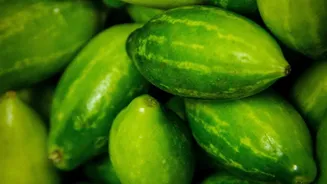
Monsoon is the season of gourds, and they form the backbone of Shravan cooking. Look for bottle gourd (lauki/dudhi), ridge gourd (turai), and snake gourd (chichinda). These vegetables are incredibly light on the stomach and easy to digest, which aligns
perfectly with the principles of fasting and the body’s lower digestive power during the humid monsoon months. Their high water content helps with hydration, and they are versatile enough for simple curries (cooked without onion or garlic) or even desserts like lauki ki kheer. They are naturally aligned with the lighter eating style that Shravan calls for.
Earthy Tubers for Energy
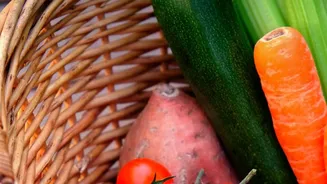
When fasting, energy levels can dip. This is where root vegetables and tubers come in. Your local market will be stocked with potatoes, sweet potatoes (shakarkandi), and colocasia (arbi). These are considered vrat-friendly and provide the complex carbohydrates needed for sustained energy. They are staples for Shravan Somvar (Monday fasts) and can be prepared in numerous ways – think simple boiled sweet potato chaat, crispy arbi tikkis, or a comforting potato curry made with rock salt (sendha namak).
A Note on Leafy Greens
Traditionally, many leafy green vegetables are avoided during Shravan. The reasoning is both spiritual and practical. According to some Puranas, certain greens are considered impure during this holy month. From a practical standpoint, the monsoon increases the risk of insects and contamination in leafy vegetables, and Ayurveda suggests they can aggravate 'vata' (one of the body's humors) during this season. Therefore, while you might see them in the market, it's a common practice to give them a miss until the season changes.
Monsoon Fruits: Nature’s Dessert
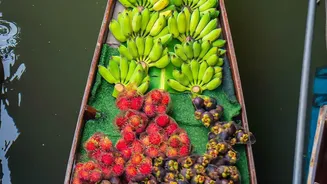
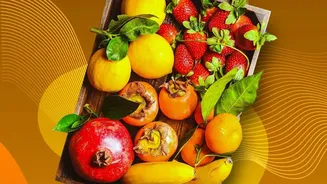
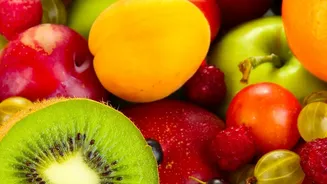
Shravan and the monsoon bring a delightful array of fruits to balance your palate. Look for the last batches of jamun (Indian blackberry), which are excellent for digestion. Peaches and plums are also at their juicy best during this time, offering vitamins and a sweet-tart flavour. And, of course, no rainy season is complete without roasted corn on the cob (bhutta). Fresh fruits are a cornerstone of the Shravan diet, providing natural sugars, hydration, and essential nutrients to keep you feeling refreshed and energised.
Fasting Staples to Stock Up On
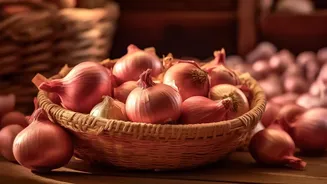
Beyond fresh produce, Shravan fasting has its own special pantry. Sabudana (tapioca pearls) is a classic, used for making khichdi and vadas. Flours like kuttu (buckwheat), singhara (water chestnut), and rajgira (amaranth) replace regular wheat and are used to make puris and rotis. Other essentials include makhana (fox nuts) for a light snack, dairy products like paneer and curd for protein, and sendha namak instead of regular table salt for seasoning.