








Beyond the Checklist: The Rise of Slow Travel
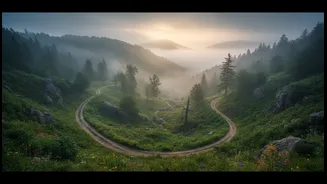
For years, tourism in India's hills followed a familiar script: a rush to popular viewpoints, a stroll down a crowded Mall Road, and a quick return to city life. Now, a different philosophy is taking root, often called 'slow travel' or 'anti-tourism'.
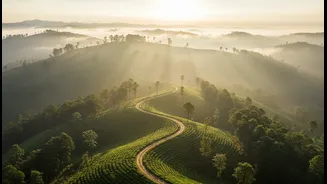
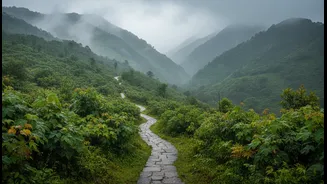
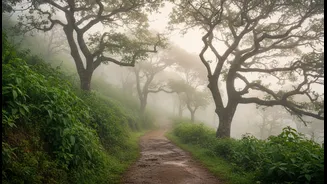
It’s a conscious rejection of over-commercialised, jam-packed destinations in favour of quieter, more immersive escapes. This movement prioritises connection over checklists. Instead of ticking off landmarks, travellers are seeking to connect with local culture, nature, and community. It’s about swapping the frantic energy of a packed itinerary for the calm rhythm of staying in one place longer, absorbing the local way of life, and supporting local families and independent businesses instead of large corporate chains.
Meet the New Wanderers: Gen Z and Millennials
This shift is being driven by a new generation of Indian travellers, primarily Gen Z and millennials. For them, travel is less about a once-a-year family holiday and more of a lifestyle habit. Reports show young travellers prefer unique, personal journeys that reflect who they are as individuals. They are more likely to seek out destinations that offer relaxation, wellness, and a chance to disconnect from urban chaos. A 2026 travel report highlighted that 67% of Indian respondents travel primarily for relaxation. This generation is also digitally connected and values authenticity, often seeking out experiences that are meaningful and sustainable, a trend also seen in the rise of spiritual tourism among the youth.
The 'Workation' Revolution
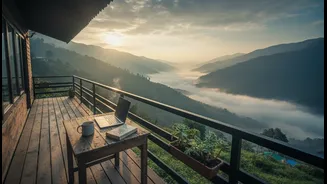
Perhaps the single biggest catalyst for this trend has been the widespread adoption of remote work. The 'workation' — blending work with a leisure trip — is no longer a niche concept. Professionals from cities like Delhi, Mumbai, and Bengaluru are swapping their home offices for cottages and homestays with mountain views. This allows for much longer stays, often stretching from weeks into months. Hill stations in states like Himachal Pradesh and Uttarakhand have become prime 'workation' destinations, with local entrepreneurs now offering long-stay packages complete with high-speed internet, comfortable workspaces, and home-cooked meals. This has provided a lifeline to the local tourism economy, especially operators of smaller properties.
From Hotels to Homestays
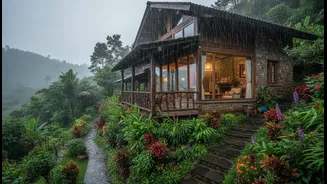
This new style of travel has fueled a boom in homestays, villas, and boutique properties. Travellers are increasingly opting for the warmth and authenticity of a local home over a standardised hotel room. Staying with a family provides a direct glimpse into mountain life, from local cuisine to daily routines. This model ensures that tourist spending directly benefits local families, empowering communities and especially creating new income streams for women and rural youth. Recent data shows a massive growth in homestays across India, with destinations in Kerala, Himachal Pradesh, and Uttarakhand leading the way. This shift is helping to spread tourism's economic benefits more evenly, away from just a few major hubs.
A More Sustainable Path?
The move towards slower, more dispersed tourism offers a hopeful alternative to the problems of overtourism, which puts immense pressure on the fragile Himalayan ecosystem. Slow travel encourages more responsible practices, such as reducing waste, respecting local traditions, and minimising environmental impact. However, challenges remain. The influx of long-stay visitors still pressures local resources like water, sanitation, and waste management. Climate change is also impacting the region, with unpredictable weather and declining snowfall affecting traditional tourism seasons. For this new travel trend to be truly sustainable, it requires a concerted effort from travellers, local communities, and governments to manage growth responsibly and protect the very landscapes that draw people in the first place.