



Why Vague Labels Fail
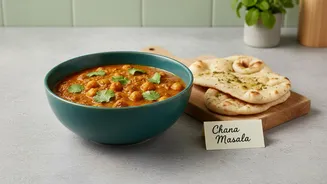
The freezer is a fantastic tool for preserving food, saving money, and making future meals easier. However, its magic only works if you can identify what’s inside. A label that just says “Chicken” or “Soup” isn’t enough. Was it chicken curry or chicken stock?
Is that tomato soup or lentil soup? This ambiguity often leads to food being ignored until it’s eventually thrown out, contributing to household food waste. Proper labelling is about more than just identification; it's about preserving the quality and safety of your food. Food safety guidelines note that while freezing prevents the growth of harmful bacteria, the quality of food deteriorates over time. A date on the label is your best guide to using food while it's still at its peak quality, preventing the disappointment of a meal that has lost its flavour and texture.
The Anatomy of a Perfect Freezer Label
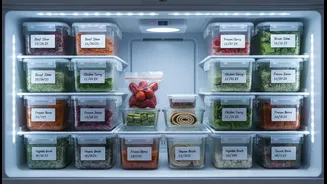
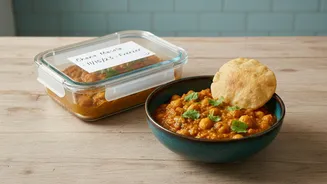
To avoid a freezer full of mystery meals, every label should contain three key pieces of information. First, the specific name of the dish. Instead of “Leftovers,” write “Vegetable Lasagne.” Second, the date it was frozen. This is crucial for tracking how long the item has been stored. Third, consider adding portion size or reheating instructions. Information like “Serves 2” or “Reheat at 180°C for 20 mins” can be incredibly helpful on a busy weeknight, saving you from having to guess later. Taking a few extra seconds to jot down these details when you freeze the item will save you significant time and frustration when you’re ready to eat it.
Choosing the Right Tools for the Job
Not all pens and labels are created equal, especially in the cold, moist environment of a freezer. Regular ink can run or fade, and standard adhesive labels often peel off. For best results, use a permanent marker designed to work on multiple surfaces. These are often oil-based and hold up much better to cold and condensation. When it comes to labels, you have several options. Freezer tape, which is designed to adhere in low temperatures, is a reliable choice. There are also dissolvable labels that wash away cleanly, or reusable chalk labels. Whatever you choose, the key is to apply the label to the container when it is clean, dry, and at room temperature for the best adhesion. Labelling a bag before you fill it is often easiest.
Preventing Freezer Burn
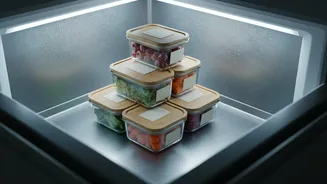
Proper labelling is only one part of the equation; proper packaging is essential to prevent freezer burn. Freezer burn happens when air comes into contact with the surface of the food, causing it to dehydrate and form ice crystals. While it doesn’t make the food unsafe, it does ruin the taste and texture. To avoid it, use packaging designed for the freezer, such as freezer-safe bags, airtight containers, or heavy-duty foil. The most important step is to remove as much air as possible before sealing the container. For bags, squeeze the air out before you seal the zip-top. For rigid containers, use a size that the food will fill almost completely, leaving minimal empty space. A vacuum sealer is an excellent tool for this, as it removes nearly all the air.
First In, First Out
Once your freezer is full of beautifully labelled and packaged food, there's one final principle to follow: First In, First Out (FIFO). This simple organisational system ensures that you use the oldest items first, rotating your stock so nothing gets lost in the icy abyss for too long. Place newer items at the back of the freezer and move older items to the front. This makes it easy to see what needs to be used up next. Some people find it helpful to keep a small whiteboard inventory on the freezer door. This allows you to see what you have at a glance without having to rummage through the cold, helping to keep the freezer organised and the door shut, which maintains a stable temperature.