



The Protein Puzzle Explained
Protein is essential for muscle repair and growth, a process technically known as muscle protein synthesis. When you exercise, you create tiny micro-tears in your muscle fibers; protein provides the building blocks to repair this damage and come back
stronger. These building blocks are called amino acids. There are 20 different amino acids, nine of which are 'essential' because our bodies cannot produce them. We must get them from food. Animal proteins are considered 'complete' because they contain all nine of these essential amino acids in sufficient amounts. Most plant-based foods, however, are considered 'incomplete' as they are low in one or more of these essential amino acids. This is where the strategy of food combining comes in.
A Perfect Nutritional Partnership
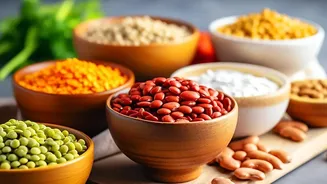
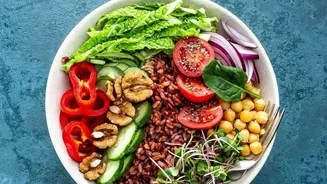
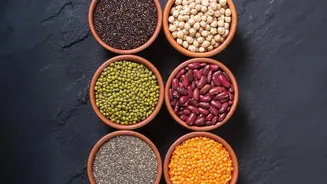
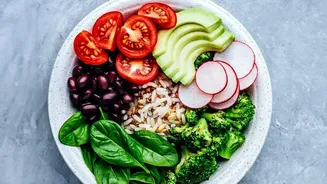
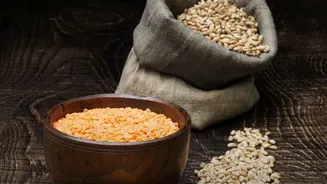
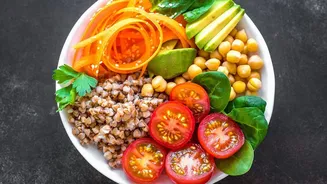
The magic of combining whole grains and legumes lies in their complementary nature. Think of it as a perfect nutritional team. Whole grains like rice and wheat are typically low in an essential amino acid called lysine, but they have plenty of another called methionine. Legumes—a family that includes beans, lentils, and chickpeas—are the exact opposite; they are rich in lysine but low in methionine. When you eat them together, they complete each other's amino acid profile, effectively creating a complete protein that provides your body with all the necessary building blocks for robust muscle recovery. This simple yet powerful principle is the foundation of many traditional diets around the world.
Bringing It to Your Plate
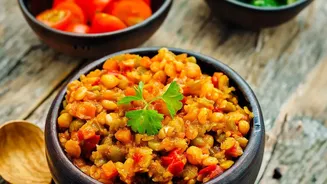
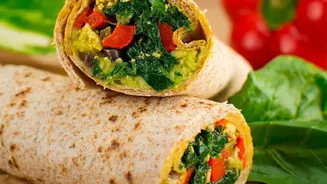
This isn't some complex nutritional formula that requires a calculator. In fact, you're likely already eating these combinations. The classic Indian meal of dal (lentils) with rice or roti (whole wheat bread) is a perfect example of a complete protein pairing. The same principle applies to rajma with rice, or a chickpea curry served with a side of whole-grain bread. Globally, this pattern repeats: think of Mexican rice and beans, a Middle Eastern classic like hummus (chickpeas and sesame paste) with pita bread, or even a simple peanut butter sandwich on whole-grain toast. These timeless meals aren't just delicious and comforting; they are nutritionally intelligent, designed to deliver high-quality protein.
Debunking an Old Myth
For years, it was believed that these complementary proteins had to be eaten in the very same meal to be effective. However, modern nutritional science has shown this to be a myth. Our bodies are smart enough to maintain a pool of free amino acids, which it can draw upon throughout the day. This means that as long as you eat a varied diet that includes a mix of grains, legumes, nuts, and seeds over the course of the day, your body can piece together the complete protein profile it needs for muscle repair and other functions. So, while a post-workout meal of rice and beans is fantastic, you don't need to stress about perfect pairings at every single sitting.
Beyond Combination: Other Plant Powerhouses
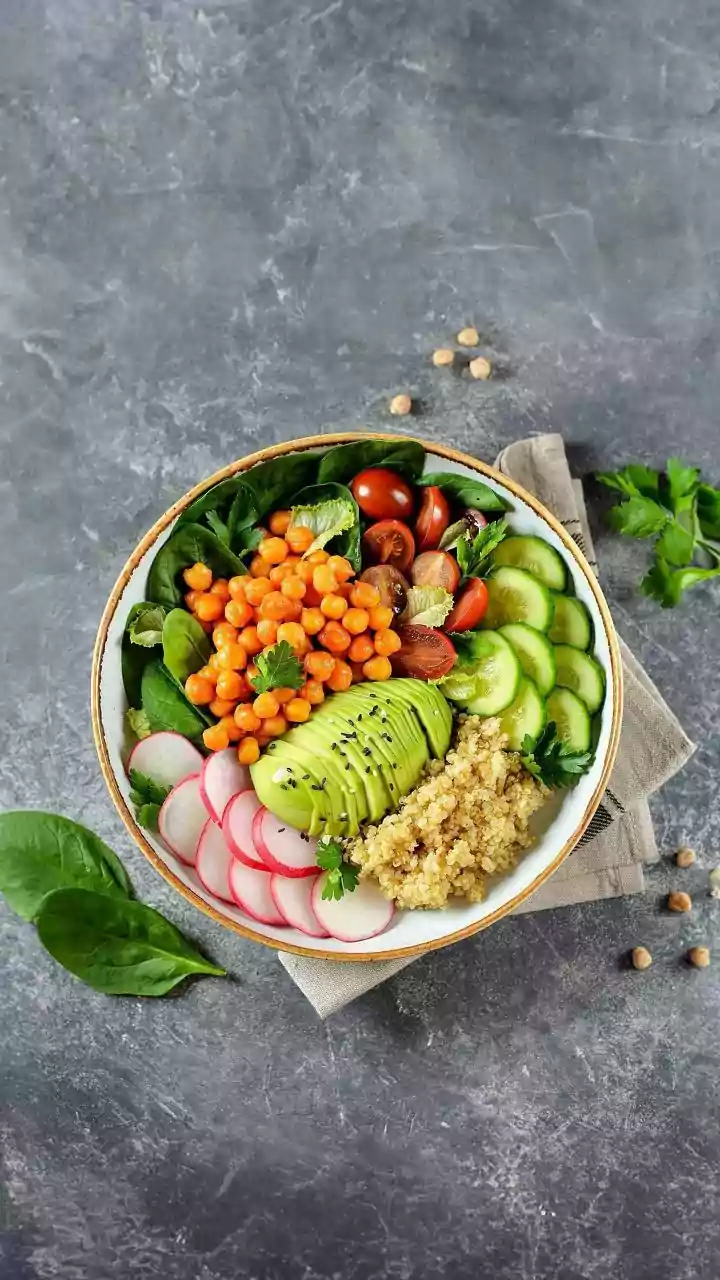
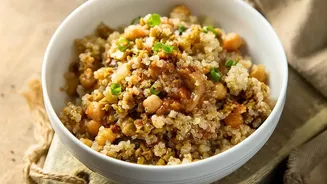
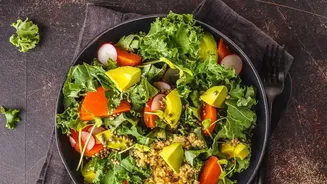
While combining foods is an excellent strategy, it's worth noting that some plant-based foods are complete proteins all on their own. Soy products like tofu, tempeh, and edamame contain all nine essential amino acids. Quinoa, a versatile and popular grain, is another standout complete protein source. Other powerful options include buckwheat, hemp seeds, and chia seeds. Incorporating these foods into your diet provides even more high-quality, plant-based options to fuel your fitness goals. Studies have shown that a well-planned, high-protein vegan or vegetarian diet can support muscle growth just as effectively as an omnivorous one when paired with proper training.