






The Unseen Workforce in Our Soil
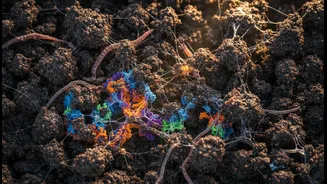
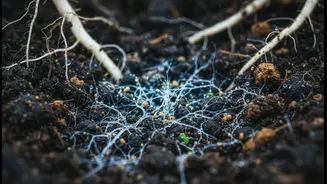
A single spoonful of healthy soil contains billions of microorganisms, including bacteria, fungi, and archaea. For decades, farming has often overlooked this complex community, known as the soil microbiome. Today, scientists see it as a powerful, untapped
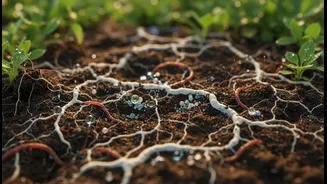
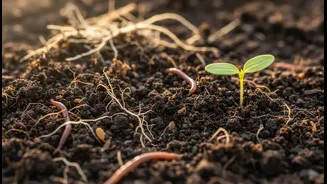
resource. These microbes are not passive bystanders; they are active participants in the life of a plant, forming intricate relationships with root systems in a zone called the rhizosphere. They break down organic matter, cycle nutrients, and create a living foundation that determines the health of the crops grown above. Instead of seeing soil as mere dirt, this research reframes it as a dynamic, living ecosystem that can be nurtured and managed for better agricultural outcomes.
How Microbes Help Plants Thrive
The benefits these microbes provide are vast and varied. Certain bacteria are masters of 'nitrogen fixation,' a process where they convert nitrogen from the air into a form that plants can absorb, effectively creating natural fertiliser. Others specialise in unlocking nutrients like phosphorus and potassium that are already in the soil but chemically locked away. This microbial workforce also acts as a tiny security team. Some fungi extend a plant's root system, helping it access water and nutrients from a much larger area, which is crucial during droughts. Many microbes also protect plants by outcompeting harmful pathogens or producing natural antibiotic compounds, reducing the need for chemical pesticides. They can even produce hormones that stimulate root growth, leading to stronger, healthier plants.
A Greener Alternative to Chemicals
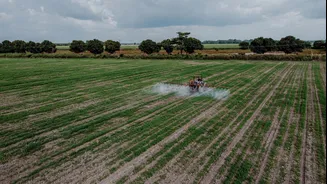
For years, intensive agriculture has relied heavily on synthetic fertilisers and pesticides. While these have boosted yields, they come at a cost. Overuse can lead to soil degradation, water pollution, and significant greenhouse gas emissions. Microbial solutions, often called biofertilisers or biopesticides, offer a more sustainable path forward. Unlike chemical fertilisers that provide a short-term nutrient dump, biofertilisers work to restore the soil's natural fertility. They improve soil structure, enhance water retention, and rebuild the biological infrastructure that has been depleted over time, creating a more resilient system for the long term. This approach aligns with a global shift toward regenerative agriculture, which focuses on soil health as the foundation of a productive farm.
Why This Matters for India
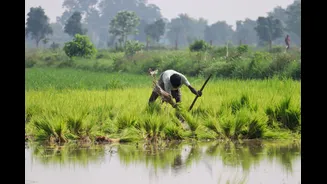
In a country where agriculture is the backbone of the economy and faces mounting pressure from climate change, these innovations are particularly vital. Water scarcity, soil degradation, and the rising cost of chemical inputs are major challenges for Indian farmers. Harnessing the power of microbes offers a way to improve crop resilience against drought, heat, and salinity. Indian institutions like the Indian Council of Agricultural Research (ICAR) are actively engaged in this field, with initiatives like the Indian Soil Microbiome Project aiming to map the country's vast microbial diversity. Researchers are working to identify and develop native microbial strains adapted to local conditions, from the acidic soils of the Himalayas to the drought-prone regions of central India.
From the Lab to the Land
The journey from a promising microbe in a petri dish to a product a farmer can use is complex. Researchers must ensure that these living organisms can survive the packaging and application process and then thrive in the competitive environment of real-world soil. The effectiveness of a microbial inoculant can depend on soil type, climate, and farming practices. The goal is not necessarily to replace chemical fertilisers entirely but to integrate these biological solutions into a more balanced and efficient system. The development of microbial consortia—teams of different microbes that work together—is a promising frontier, offering more robust and consistent benefits. As this technology becomes more refined and affordable, it holds the potential to make farming more profitable and environmentally sustainable across the country.