





Beyond the 10-Step Routine
For years, the world has been fascinated by Japanese beauty, or J-Beauty. But to truly understand its influence, you have to look past the iconic lotions and essences. At its heart, J-Beauty is not about accumulating products; it’s a philosophy centred
on ritual, prevention, and honouring the natural state. It champions a gentle, consistent approach to achieve long-term health and radiance—what the Japanese call 'mochi-hada', or soft, plump 'rice-cake skin'. This isn't about quick fixes or masking imperfections. It’s about creating a foundation of well-being through mindful, deliberate care. The routine itself—whether simple or multi-layered—becomes a meditative practice, a quiet moment of self-connection in a busy day. This very ethos is now moving from the bathroom cabinet to the living room.
From Skinimalism to Spatial Purity
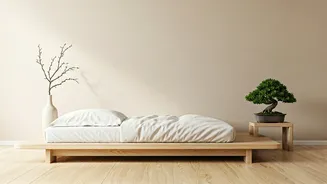
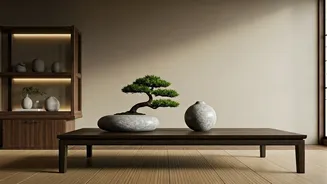
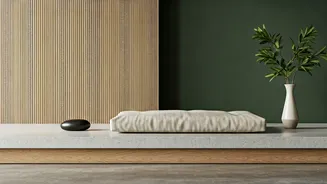
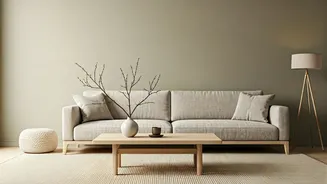
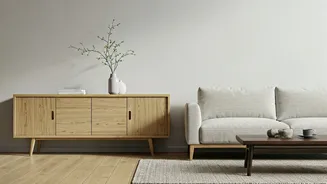
The most direct parallel between J-Beauty and next-gen interiors is the principle of 'skinimalism'—using fewer, but higher-quality and more effective, products. In design, this translates into a move away from conspicuous consumption and cluttered spaces. Instead of filling a room with fast-furniture and fleeting trends, the J-Beauty inspired approach focuses on 'spatial purity'. This means investing in well-crafted, timeless pieces that serve a distinct purpose. The question shifts from 'What else can I add?' to 'What can I thoughtfully remove?'. This is the Japanese concept of *danshari* in practice: a process of decluttering not just for aesthetic cleanliness, but for mental clarity. A sparse layout isn't seen as empty, but as 'ma'—a deliberate, energised void that gives the existing elements room to breathe and be appreciated.
An Ode to Natural Materials
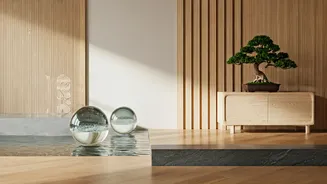
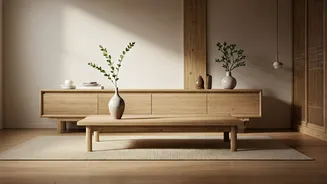
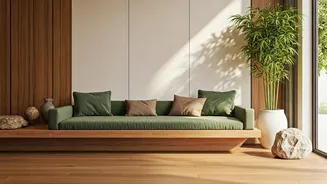
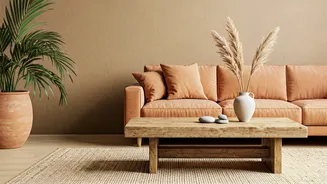
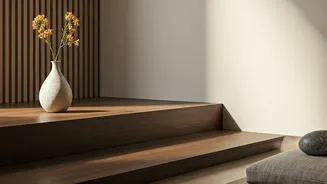
J-Beauty formulations are revered for their use of pure, natural ingredients like rice bran, green tea, camellia oil, and pearl. This reverence for nature is a cornerstone of the philosophy, believing that what comes from the earth is best suited to nurture the body. When applied to interiors, this principle results in a rich, tactile environment dominated by natural materials. Think light-toned woods like hinoki and maple, the subtle texture of washi paper screens, the coolness of river stones, and the soft feel of linen and cotton textiles. These elements aren't just chosen for their look, but for their sensory experience. The grain of wood, the weave of a rug, the gentle diffusion of light through a paper lamp—all contribute to a space that feels grounded, organic, and deeply calming.
Designing for Ritual and Flow
A J-Beauty routine is a ritual, a sequence of steps designed for maximum benefit and mindful engagement. Similarly, a home layout guided by this philosophy is designed to support the rituals of daily life. This is about more than just an open-plan layout; it's about creating intuitive 'flow'. How does one move from the entryway to the kitchen? Is there a dedicated, serene space for morning tea or evening reading? Furniture is arranged to encourage ease of movement and create zones for different activities, fostering a sense of purpose and calm. The goal is to design a home that works in harmony with its inhabitants' daily rhythms, making everyday actions feel less like chores and more like graceful, intentional moments.
The Beauty of Wabi-Sabi
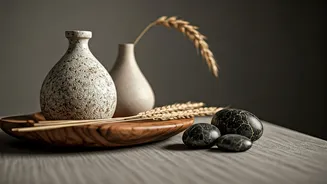
Perhaps the most profound connection is the embrace of *wabi-sabi*—the Japanese aesthetic centred on finding beauty in imperfection and transience. In beauty, this means celebrating natural skin texture over a digitally filtered finish. In design, it means cherishing the crack in a ceramic bowl, the patina on a brass fixture, or the gentle weathering of a wooden table. It’s a quiet rebellion against the pressure of flawlessness. A *wabi-sabi* interior feels authentic and lived-in. It honours the history of objects and the passage of time, creating a space that is relatable, soulful, and deeply comforting because it doesn’t demand perfection from itself or from you.