






Why Are Rates Rising Now?
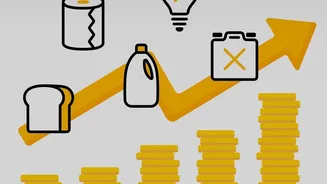
The simple answer is inflation. The RBI's main job is to keep prices stable. When inflation starts to rise consistently, as it has in recent months, the central bank steps in. On October 7, 2026, the RBI's Monetary Policy Committee (MPC) announced a hike
in the repo rate by 25 basis points (0.25%) to 5.50%. The repo rate is the interest rate at which the RBI lends money to commercial banks. By making money more expensive for banks, the RBI aims to slow down spending and borrowing in the broader economy, which helps to cool down rising prices. This was the first rate hike since February 2023, signaling a clear shift in policy to combat inflation, which is projected to be 5.2% for the financial year.
Your Home Loan: Brace for Higher EMIs
For the millions of Indians with floating-rate home loans, a repo rate hike has a direct impact. Most modern home loans are linked to an external benchmark, usually the repo rate itself. When the rate goes up, banks will pass on the increased cost to borrowers. This can happen in two ways: your Equated Monthly Instalment (EMI) will increase, or the bank will extend your loan tenure while keeping the EMI the same. For a ₹50 lakh loan with a 25-year tenure, a 0.25% rate hike could increase your monthly EMI by around ₹800. While this might seem manageable, a series of rate hikes could significantly increase your total interest outgo over the life of the loan.
Strategy for Borrowers: Prepay or Persevere?
In a rising rate environment, borrowers should review their strategy. One of the most effective tools is prepayment. By paying more than your EMI, you reduce the principal amount, which saves you a significant amount of interest in the long run. Thanks to RBI rules, there are no prepayment penalties on floating-rate home loans taken by individuals. The debate is often whether to use surplus cash to prepay your loan or invest it elsewhere. The simple math is this: if your post-tax investment returns are unlikely to reliably beat your home loan interest rate, prepayment offers a guaranteed, risk-free return. Prioritising prepayment, especially early in the loan's tenure, can save you lakhs in interest.
New Loans: Think Twice Before You Sign
If you are planning to take a new car loan, personal loan, or any other major credit, be prepared for higher costs. While home loans are long-term commitments, other loans are often taken for discretionary spending. In a high-interest environment, the cost of borrowing for these items goes up, making them more expensive. It is a good time to reassess whether a large, debt-funded purchase is truly necessary right now. Delaying non-essential big-ticket spending until the rate cycle stabilises could be a prudent financial move. Before taking any loan, ensure you have a sufficient emergency fund covering at least six months of expenses.
The Silver Lining: A Better Time for Savers
It's not all bad news. While borrowers face higher costs, savers and conservative investors have reason to cheer. Rising interest rates mean better returns on fixed-income products, most notably Fixed Deposits (FDs). Banks, in need of funds, will start offering more attractive interest rates on deposits to attract savers. In October 2026, some banks are already offering rates as high as 8.25% for regular citizens and up to 8.50% for senior citizens on specific tenures. This makes FDs a more appealing option for those seeking stable, guaranteed returns, especially when compared to the volatility of equity markets during periods of monetary tightening.