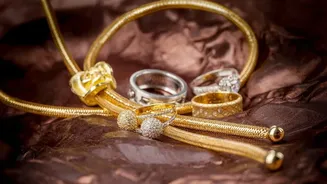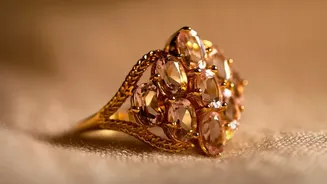






The Sweet Spot of Purity and Strength
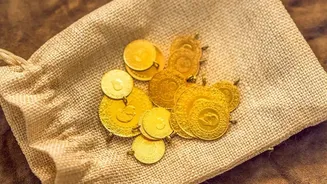
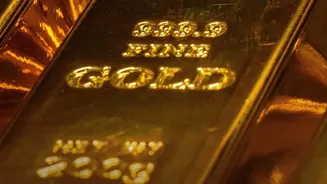
Gold purity is measured in karats, with 24K being 99.9% pure gold. However, this pure form is extremely soft, making it impractical for crafting durable jewellery that can withstand daily wear. This is where 22K gold, also known as '916 gold', comes in.
It consists of 91.6% pure gold, with the remaining 8.4% being a mix of stronger metals like copper or silver. This alloy composition gives it the necessary strength and durability to be fashioned into intricate designs without being easily bent or scratched, striking the perfect balance between high purity and everyday practicality.
A Deep Cultural and Traditional Connection
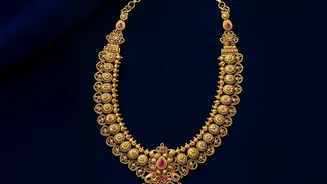
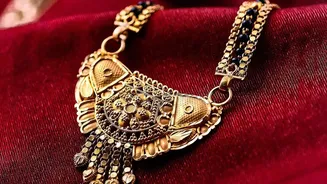
For generations, gold has been deeply woven into the fabric of Indian life, present at every significant milestone. It is a symbol of Goddess Lakshmi, representing wealth, fortune, and auspiciousness. During weddings, adorning the bride with 22K gold jewellery signifies blessings and security for her new life. Its rich, deep yellow hue is strongly associated with traditional Indian jewellery, from grand bridal sets to temple-inspired ornaments. This cultural significance ensures that 22K gold is not just an accessory but a cherished heirloom passed down through generations.
Superior Investment and Resale Value
In India, jewellery is often viewed as a wearable investment. The high gold content in 22K pieces means they have a substantial intrinsic value that is closely tied to the global market price of gold. This makes it a highly liquid asset, easy to sell or exchange when needed. While jewellery retail prices include making charges and taxes, the high purity of 22K gold ensures a better resale value compared to lower-karat options like 18K or 14K. This perception of gold as a secure and tangible form of family wealth makes the higher purity of 22K particularly attractive.
Ideal for Intricate Craftsmanship
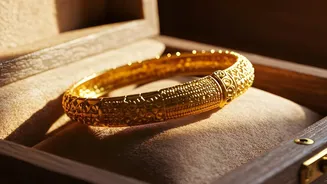
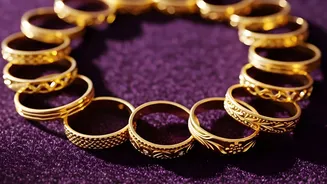
Indian jewellery is celebrated for its elaborate and detailed craftsmanship, including heritage techniques like filigree, kundan, and meenakari. The malleability of 22K gold makes it the perfect medium for skilled artisans to create these complex designs. While 24K gold is too soft to hold intricate shapes, and 18K gold can be too rigid for certain traditional styles, 22K provides the ideal workability. This allows for the creation of the ornate, statement pieces that are central to bridal and festive wear across the country.
Is the Preference Shifting?
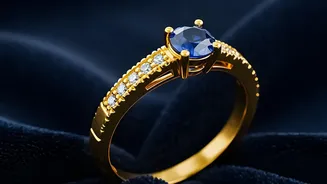
While 22K remains the dominant choice for traditional and bridal jewellery, there is a growing trend towards 18K gold, especially in urban centres. 18K gold, which contains 75% pure gold, is significantly more durable and better suited for securely setting diamonds and other precious gemstones. This makes it a popular choice for contemporary, lightweight designs intended for daily office or casual wear. However, for occasions steeped in tradition and for purchases made with long-term investment in mind, the cultural and financial pull of 22K gold remains unparalleled.