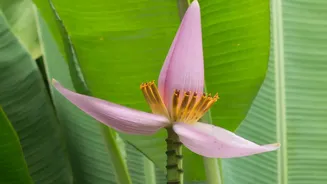


The banana flower, or vazhaipoo, is a culinary gem in many Indian kitchens, but its notoriously sticky sap can make preparation a daunting task. This simple kitchen hack is the secret to mess-free chopping and handling.
The Secret to Stain-Free Hands
Anyone who has handled a fresh banana
flower knows the primary challenge: a stubborn, sticky sap that stains hands and cutting surfaces a dark brown or black colour. This sap, a type of latex, emerges the moment you make the first cut and can be difficult to wash off. The solution is remarkably simple and a time-honoured tradition in Indian households. Before you begin, liberally apply a neutral cooking oil, like coconut or sesame oil, all over your hands, paying special attention to your fingertips and under your nails. The oil creates a protective barrier, preventing the sap from adhering directly to your skin. This single step transforms the entire experience from a sticky struggle into a clean, straightforward process. It’s also wise to oil your knife and chopping board for the same reason.
Peeling Back the Layers
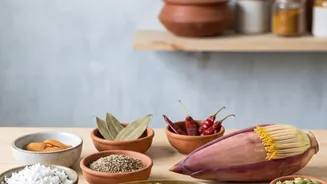
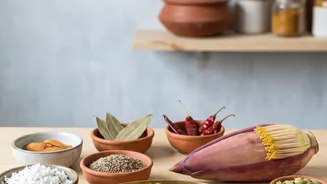
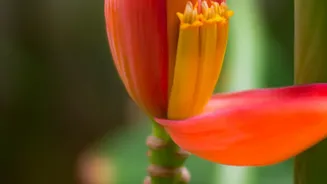
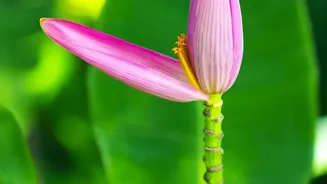
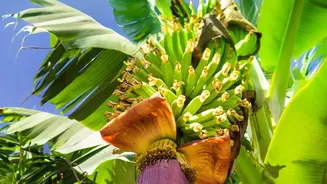
A banana flower is a large, tear-drop-shaped bud with tough, purplish-red outer layers called bracts. These outer bracts are generally too fibrous to eat and must be removed. Start by peeling them off one by one. Underneath each of the first several bracts, you will find a neat row of pale, slender florets. These are the future bananas. Carefully remove these bunches of florets and set them aside. Continue peeling away the bracts until they become paler, more tender, and difficult to remove. This inner, lighter-coloured core is known as the banana heart. It is tender enough to be chopped and used directly without any further intricate cleaning.
Prepping the Individual Florets
This is the most time-consuming, yet crucial, part of the preparation. Each individual floret you collected from under the outer bracts contains two inedible parts that must be removed to prevent bitterness and a tough texture in your final dish. First, look for a single, stiff, matchstick-like stalk inside the floret; this is the pistil. It often has a darker, slightly swollen tip. Pluck it out and discard it. Next, locate the small, translucent, scale-like petal, called the calyx or tepal, and remove that as well. This process may seem tedious, but it is essential for a palatable result. As you work your way towards the flower’s heart, the florets will become smaller and more tender, and eventually you will reach a point where removing these parts is no longer necessary.
Preventing Discoloration
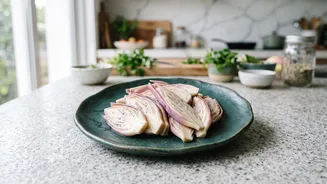
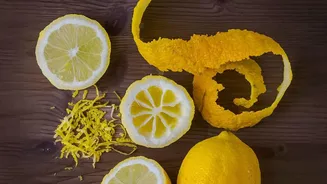
Just like an apple, a banana flower begins to oxidise and turn brown or black almost immediately upon being cut. To prevent this, you must prepare an acidic bath before you start chopping. A large bowl of water mixed with a few tablespoons of curd (buttermilk), lemon juice, or a splash of vinegar works perfectly. As you finely chop the cleaned florets and the tender banana heart, immediately submerge them in this acidic water. This simple soak will keep the pieces looking fresh and pale while you finish your prep. If you need to prepare the flower ahead of time, you can store the chopped pieces in this solution in the refrigerator for a day or two.
Ready for the Kitchen
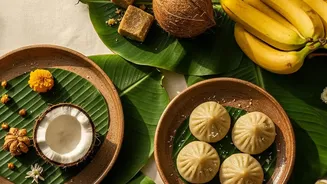
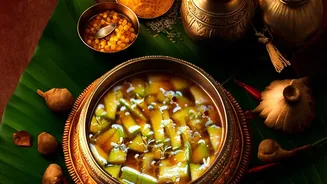
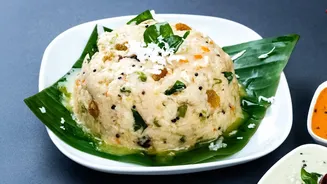
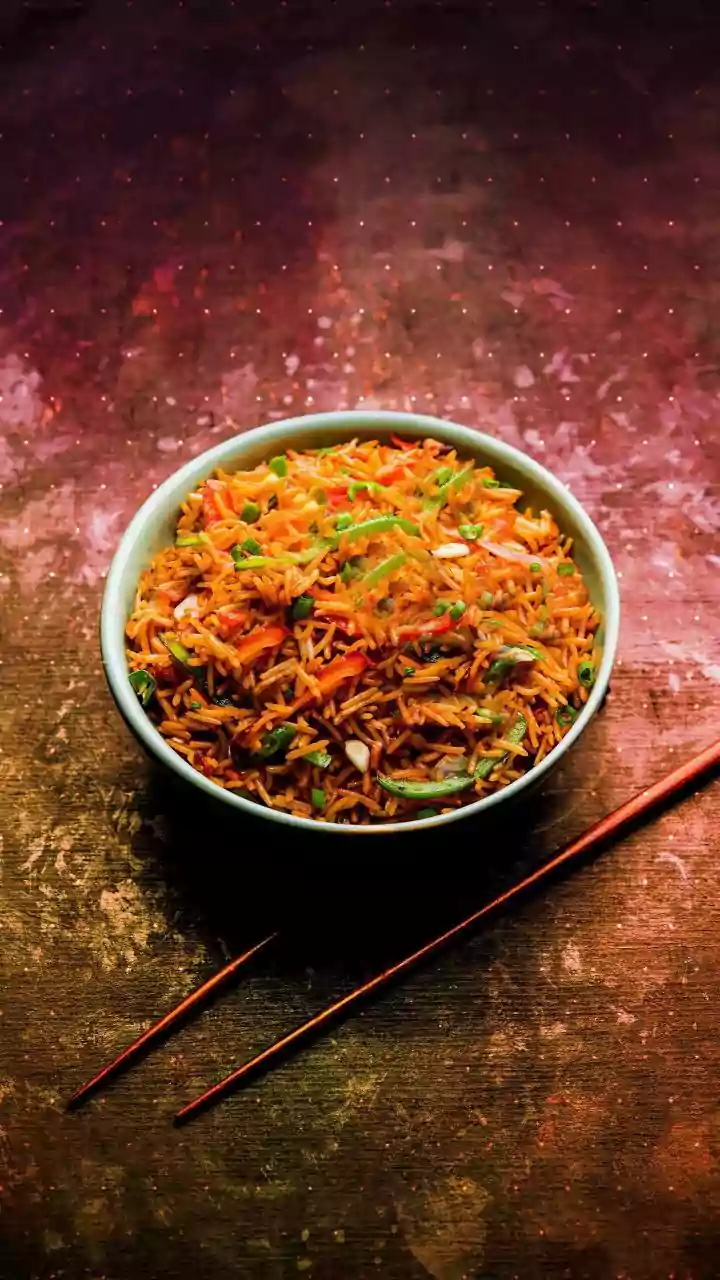
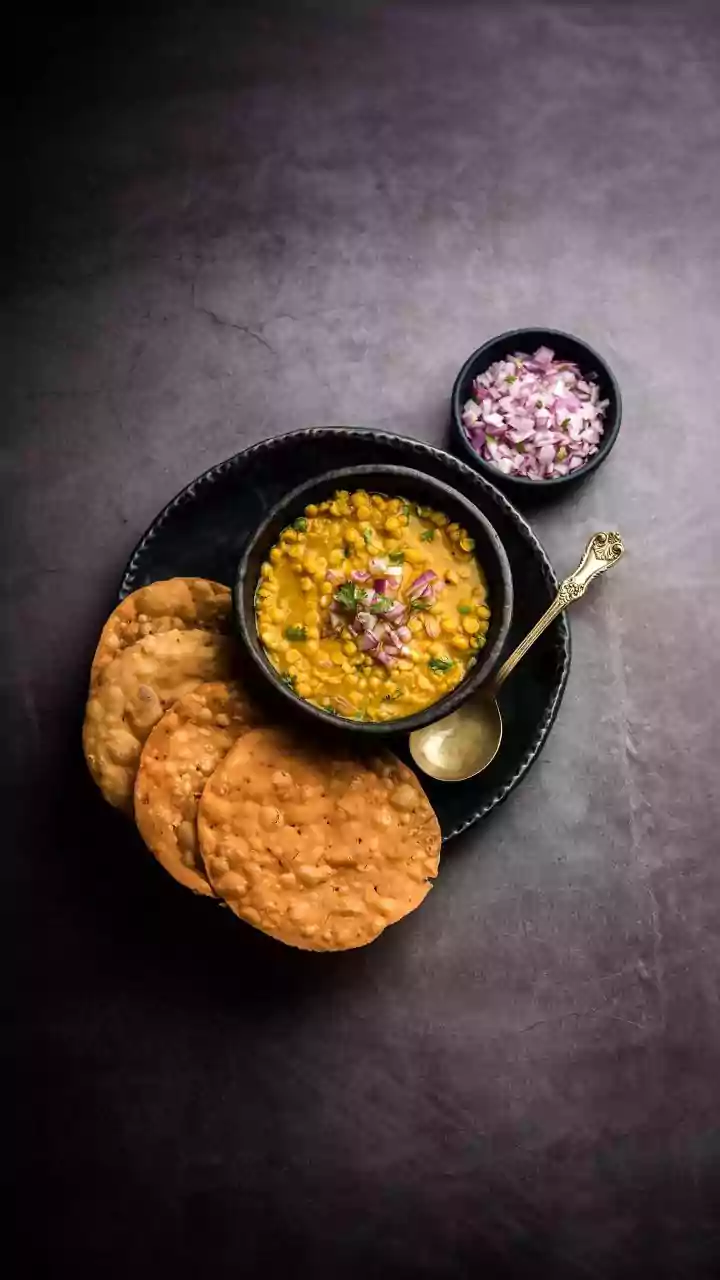
Once cleaned, chopped, and soaked, your banana flower is ready to become the star of numerous delicious dishes. In South India, it is a celebrated ingredient. For a classic Kerala-style preparation, you can make 'Vazhaipoo Thoran', a flavourful stir-fry with grated coconut, mustard seeds, and curry leaves. Another popular dish is 'Vazhaipoo Vadai', crispy, savoury fritters where the chopped flower is mixed with a coarse lentil batter and deep-fried. In Bengali cuisine, 'Mochar Ghonto' is a beloved dry curry that combines the blossoms with potatoes and a rich blend of spices. The flower's meaty, slightly astringent character also makes it an excellent addition to curries and sambar, absorbing flavours beautifully.