


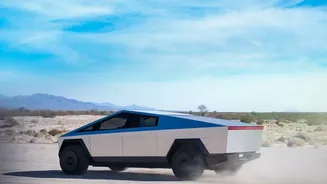
In a surprising reversal, Elon Musk announced Tesla will extend Cybertruck production through summer 2027, just days after signaling its demise. This latest pivot adds another chapter to the strange saga of the futuristic electric pickup.
An Abrupt Change of Plans
Just last week,
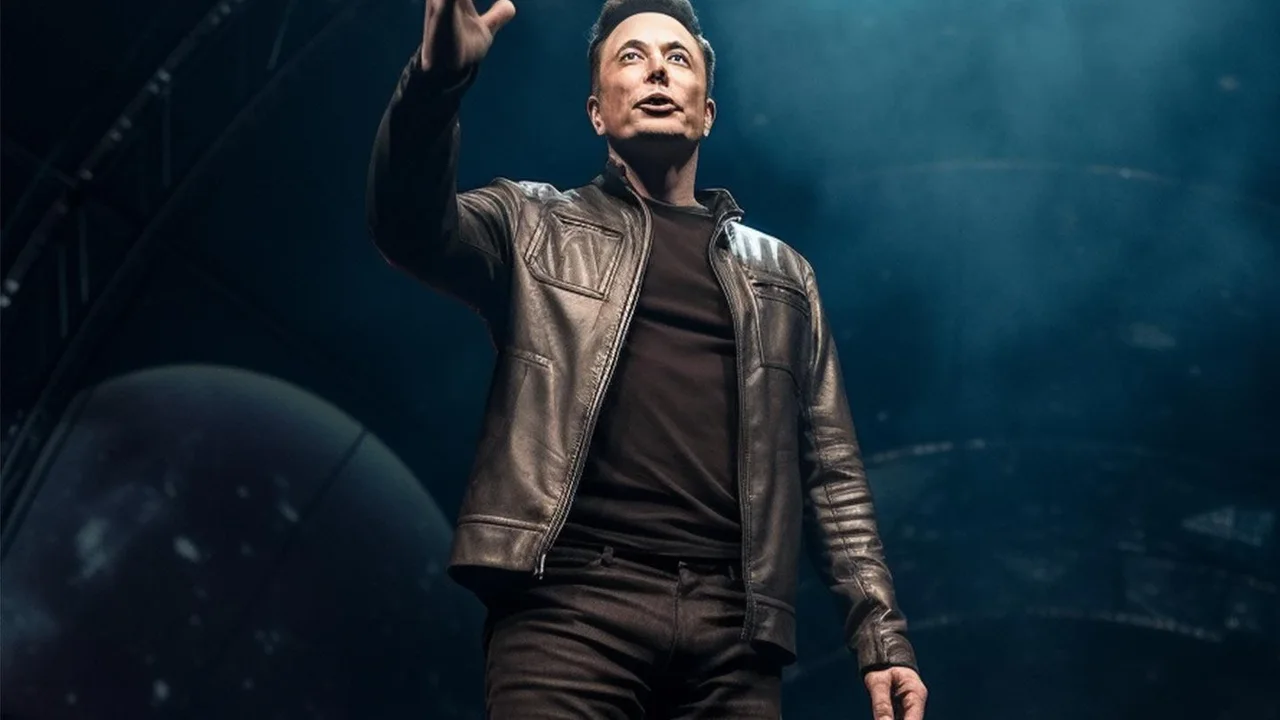
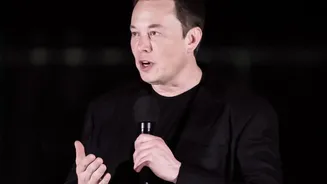
Elon Musk announced that Tesla would be winding down production of its radical stainless-steel Cybertruck around the middle of 2027 to make way for the company's next big bet: the Cybercab robotaxi. That news, which pointed to a surprisingly short four-year production run, was followed by Musk stating the company would have to return deposits to many reservation holders because the order rate 'far exceeds' production capacity. However, following backlash from fans and customers, Musk posted on his social media platform X that production will now be extended 'through the end of summer 2027' to work through more of the order backlog. He acknowledged the decision was not the 'smartest move from a profit-maximizing standpoint' but that there 'must be some room in this world for sentimentality'.
A History of Delays and Disappointments
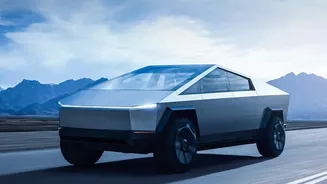
The Cybertruck's journey from a dramatic 2019 unveiling to the streets has been anything but smooth. The initial event became famous after its supposedly shatterproof 'Armor Glass' windows cracked during a live demonstration. Originally promised for a late 2021 launch, the truck faced multiple delays, pushing its first customer deliveries to late 2023. Even then, the launch price was significantly higher than the $39,900 figure first announced, starting instead at over $60,000. Since its launch, the vehicle has been plagued by a series of recalls—11 as of late 2026—for issues ranging from accelerator pedals getting stuck to trim pieces and body panels detaching while driving. These issues, combined with the manufacturing complexity, have contributed to sales figures that never met Musk's ambitious annual target of 250,000 units.
The Manufacturing Challenge
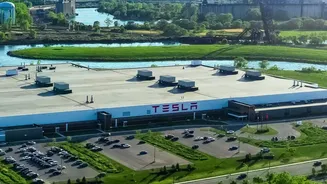
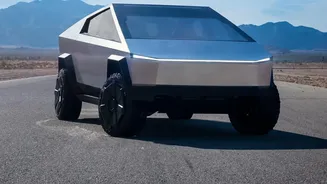
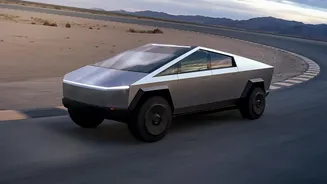
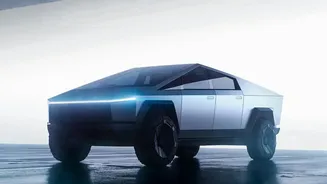
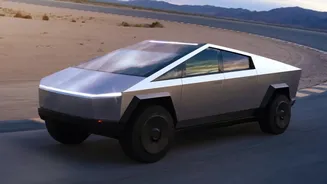
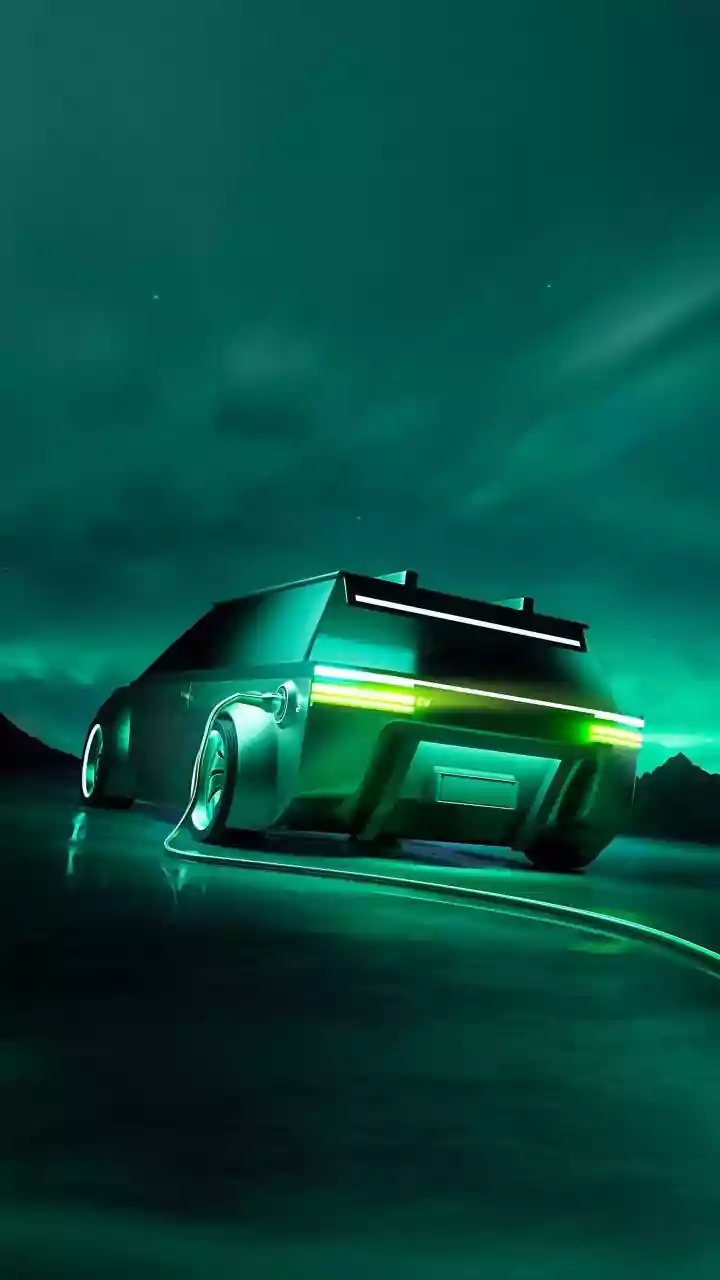
At the core of the Cybertruck's problems are the very materials and design that make it unique. The ultra-hard stainless-steel exoskeleton, while providing a futuristic, bullet-resistant shell, has been incredibly difficult to manufacture at scale. The material is hard to shape and form without creating panel gaps or alignment issues, a key reason for the truck's angular, flat-planed design. This complex manufacturing process has been a persistent bottleneck, preventing Tesla from ramping up production to meet even the revised, lower sales expectations. The decision to eventually end production was framed by Musk as a necessity to pivot factory space and engineering talent to the less complex and potentially higher-margin Cybercab program.
An Unsettled Market
When the Cybertruck was announced in 2019, it was a pioneer with no real competition. By the time it launched, however, rivals like the Ford F-150 Lightning and Rivian R1T were already on the road. Yet, the entire large electric pickup market has struggled. Ford has announced it is discontinuing its F-150 Lightning due to financial losses, and sales for other large EV trucks have been underwhelming. Automakers are finding that the high cost of large batteries makes these vehicles expensive, and they often fail to deliver the towing range that traditional truck buyers expect. In response to these headwinds and a week of chaotic messaging, Tesla has simplified its offerings, discontinuing lower-priced Cybertruck trims and now only selling the top-tier 'Cyberbeast' model.